
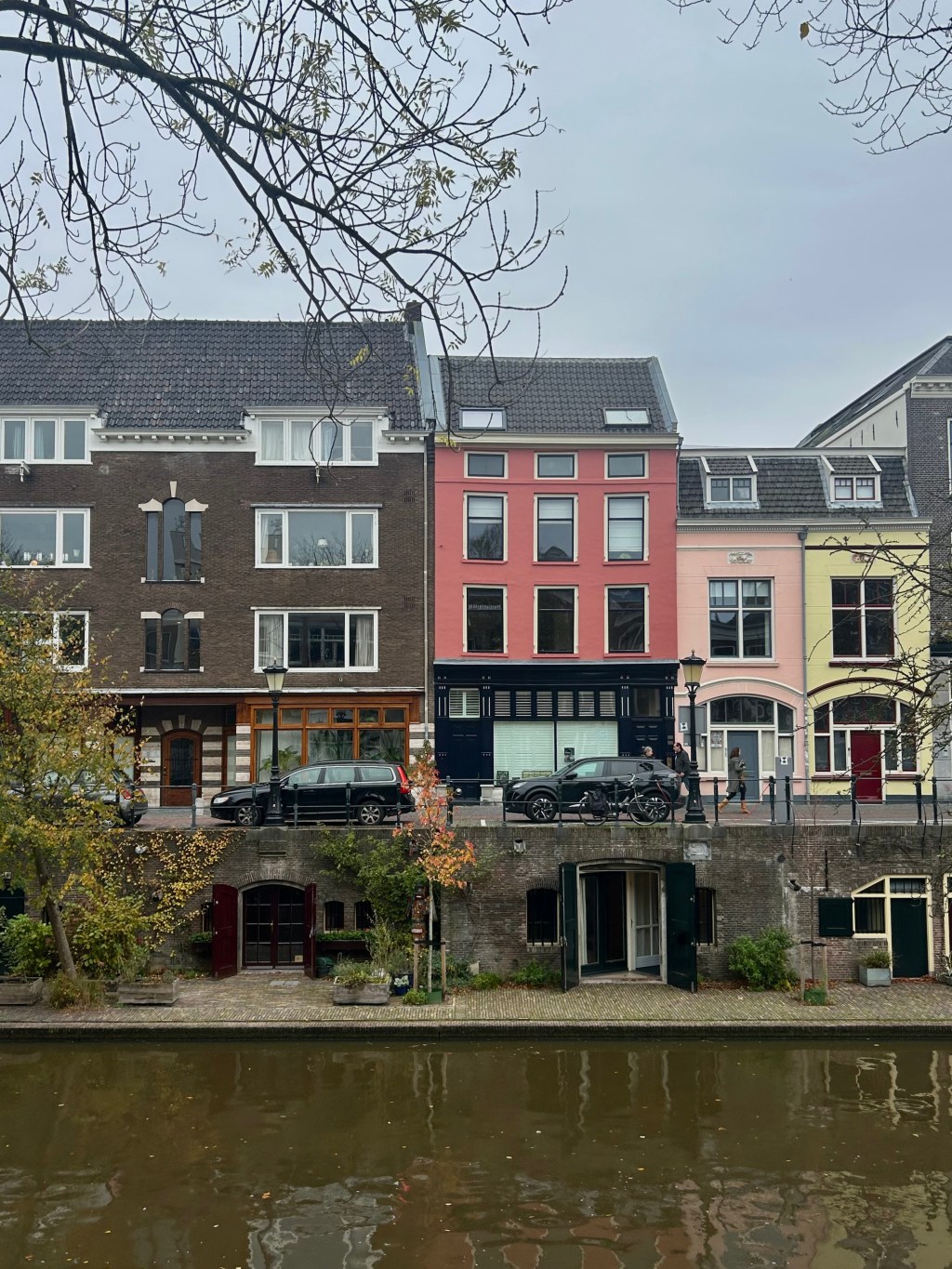
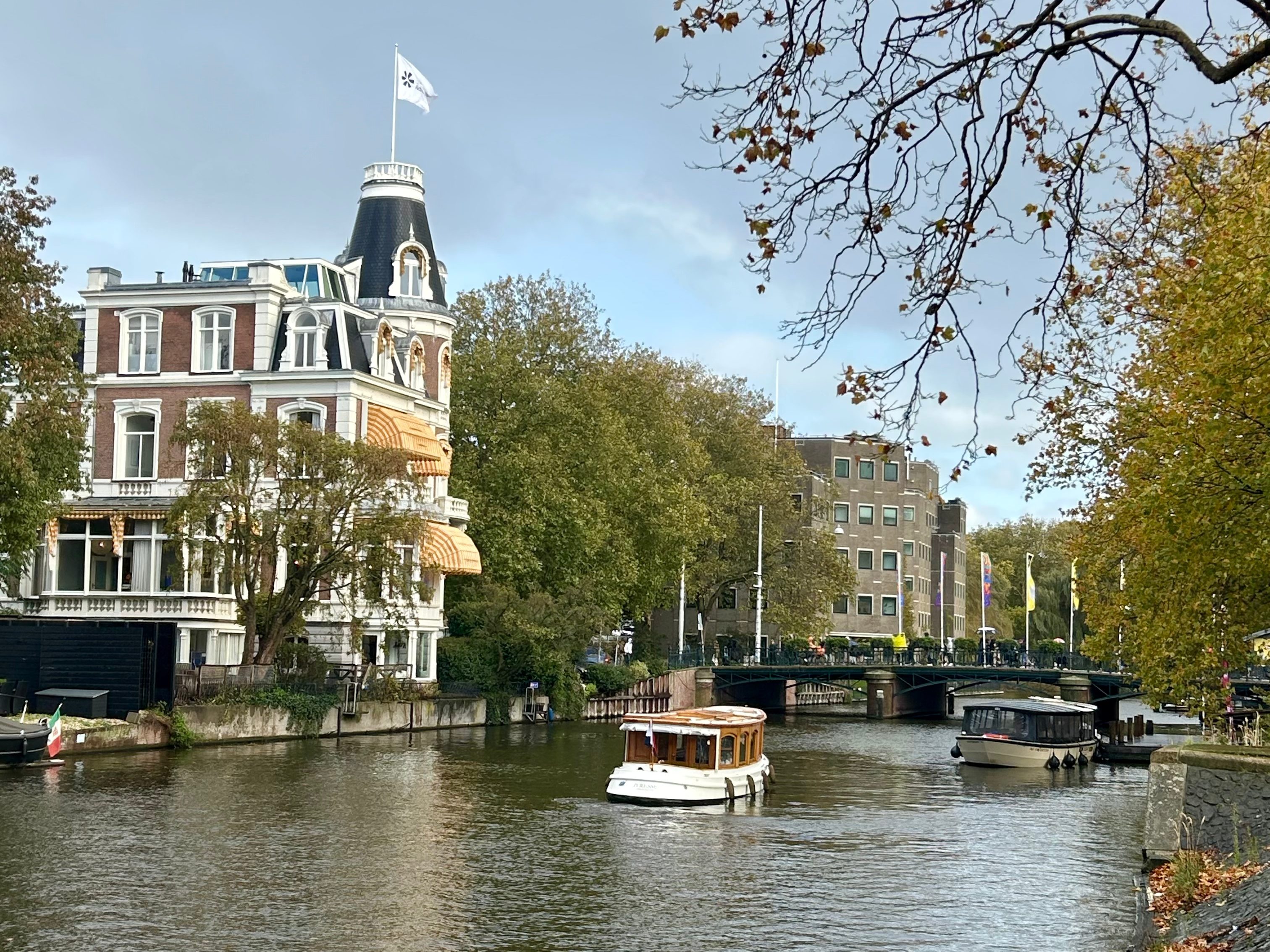
On a canal boat, wedged between my mother and a sullen french teenager, a vaguely classical tune drifted through the universal-fit earphones perched above my hoop earrings.
On the right, you’ll see the Westerkerk–that is, the Western Church. This is where Rembrandt van Rijn was buried in an unmarked grave. His remains were later exhumed and moved, as was the norm for the poor at the time of his death in 1669.
Today, you can pay your respects for the renowned painter at the commemorative stone on the north wall of the Westerkerk, or even at the Rijksmuseum!
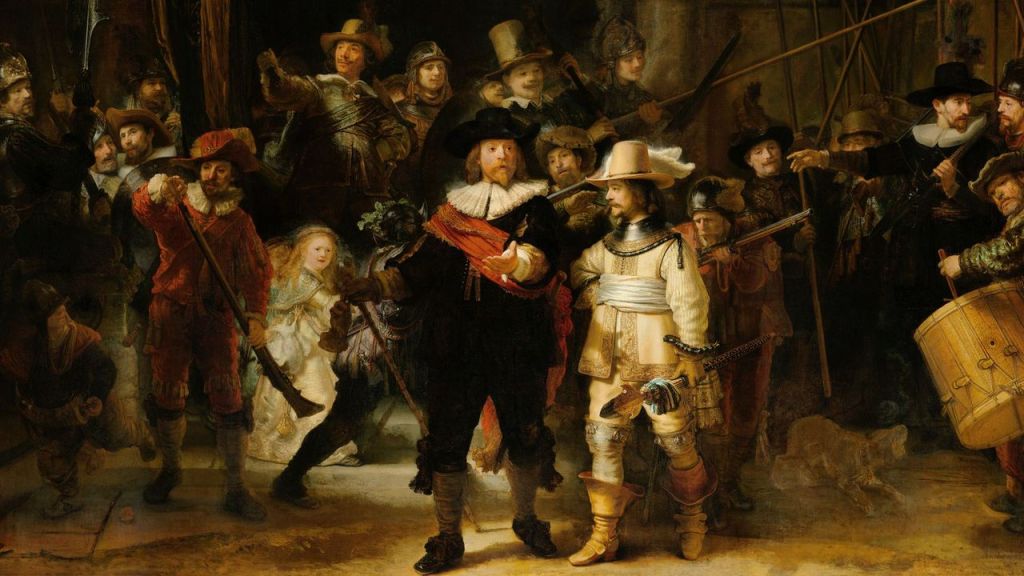
In art school, Rembrandt often came up in lectures and from tutors’ lips. My earliest associations with the name were a paint brand, the artist’s reputation as one of the the masters of light, and an advertised course in my home city where people paid to learn how to paint like him.
The promotional images captured dutiful students cutting out and taping up A2-sized inkjet prints of his paintings. They spent five days in a row, six hours a day, trying to capture his famed light beside them, like a devotional exercise.
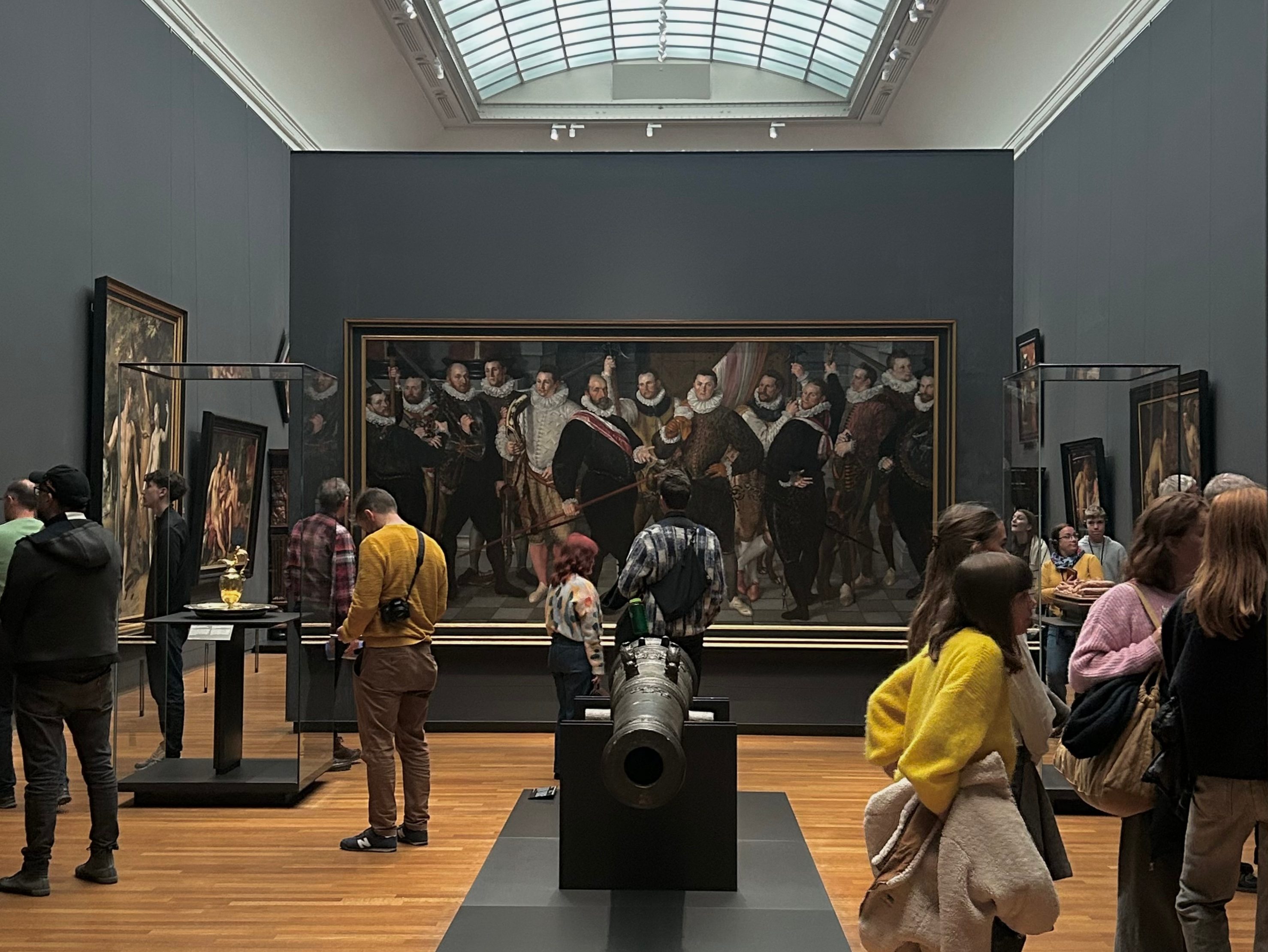
In the Rijksmuseum, tourists huddled around a vast glass wall where The Night Watch (1642) sat, tended to by an art restorer in an elaborate contraption that carried her to the very top right-hand corner of the massive painting. We watched as she methodically stared at the laptop in her lap and then back at the canvas, and I wondered when she might start doing something more interesting–like making an irreversible black mark, or turning around and saying, Did you know that Rembrandt was buried in an unmarked grave, because he was bankrupt, poor, and his work was suddenly unfashionable?
I will spare you the history of another Amsterdam-dwelling artist with a familiar story of incomprehensible posthumous fame, but I couldn’t help being amused by the Van Gogh plushies in the Van Gogh Museum gift shop, complete with self-inflicted, bandaged ears. I was even more intrigued by a rogue Miffy masquerading as Van Gogh, paintbrush in hand.
The inescapable trope of the tortured, canonical, white male artist bores many. This trip had me noticing something new in the powerful ubiquity of these figures–a cultural weight that now seems to operate on the same plane as a fictional, minimal, white bunny.
While I like to think of myself as educated in matters of fine art, there is something alluring about Miffy memorabilia, which more or less amounts to two dots and a cross. Towards the end of our visit to Amsterdam, we even made the pilgrimage to Miffy’s birthplace: Utrecht, a town only a short train ride away. In the station bookshops, her face stared back from children’s paperbacks in half a dozen languages. She beamed from umbrellas in the rain.
It doesn’t stop there. In Tokyo, she occupied entire store floors; in London, she dangled on a passerby’s house keys. I began to imagine my own mark, however small, threading through the world in the same way. At the risk of sounding existential, the thought of the ripples we leave behind long after our passing was the loudest refrain of my time in Amsterdam. I blame the fact that I was knee-deep in my masters, trying to understand what it might mean to make art that may last for centuries.
After the museum, we walked through the Jordaan and drank mint tea in a narrow café that smelled faintly of sugar and damp wool. We ate cheese fondue with a basket of bread cut into too-small cubes, dipping them again and again into the same pale pool.
Looking down into the narrow canal, I remembered the sterile audio guide from that morning that mentioned how Amsterdam’s canals were built in the 17th century. Almost immediately, The Singel Bridge at the Paleisstraat, Amsterdam (1898), which I had seen only an hour earlier, leapt into my mind: the timeless, anonymous figure in the foreground, the impressionist rendering of Amsterdam’s iconic narrow buildings.
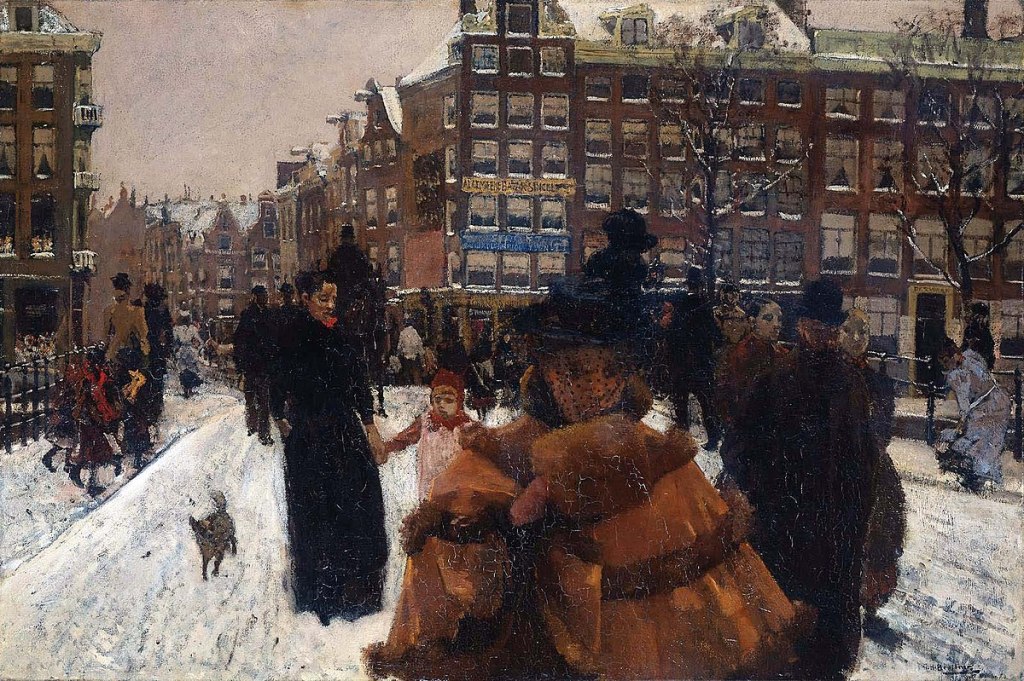
Now the same scene sat in front of me in real time. An Amazon delivery truck whizzed past. A mother cycled by on her bakfeitsen (cargo bike), children settled in the front. A woman opened her comically narrow, tilted window to light a cigarette, dusting the ashes into the water below. Like other cities with long, layered histories, Amsterdam revealed itself as a living archive–where past and present do not replace one another, but coexist, with the promise of some form of immortality lingering in the air.
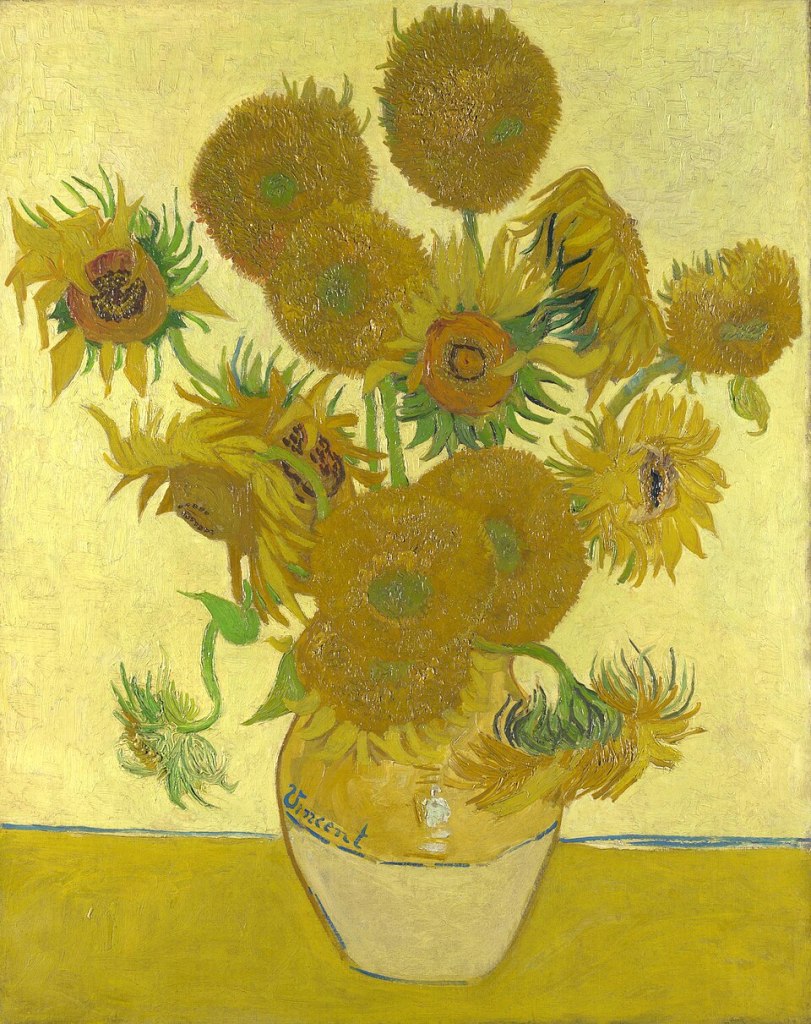
Rembrandt’s light draped over tram lines. Renaissance-period canals accompanied cars and coffee cups printed with two dots and crosses, and Van Gogh’s Sunflowers (1888) reappeared on tote bags slung over passing shoulders. Everything endured at once, and everything kept moving.
 Third Space Magazine
Leave a comment