• Ào dài and the Art of Layering

    Ào dài and the Art of Layering

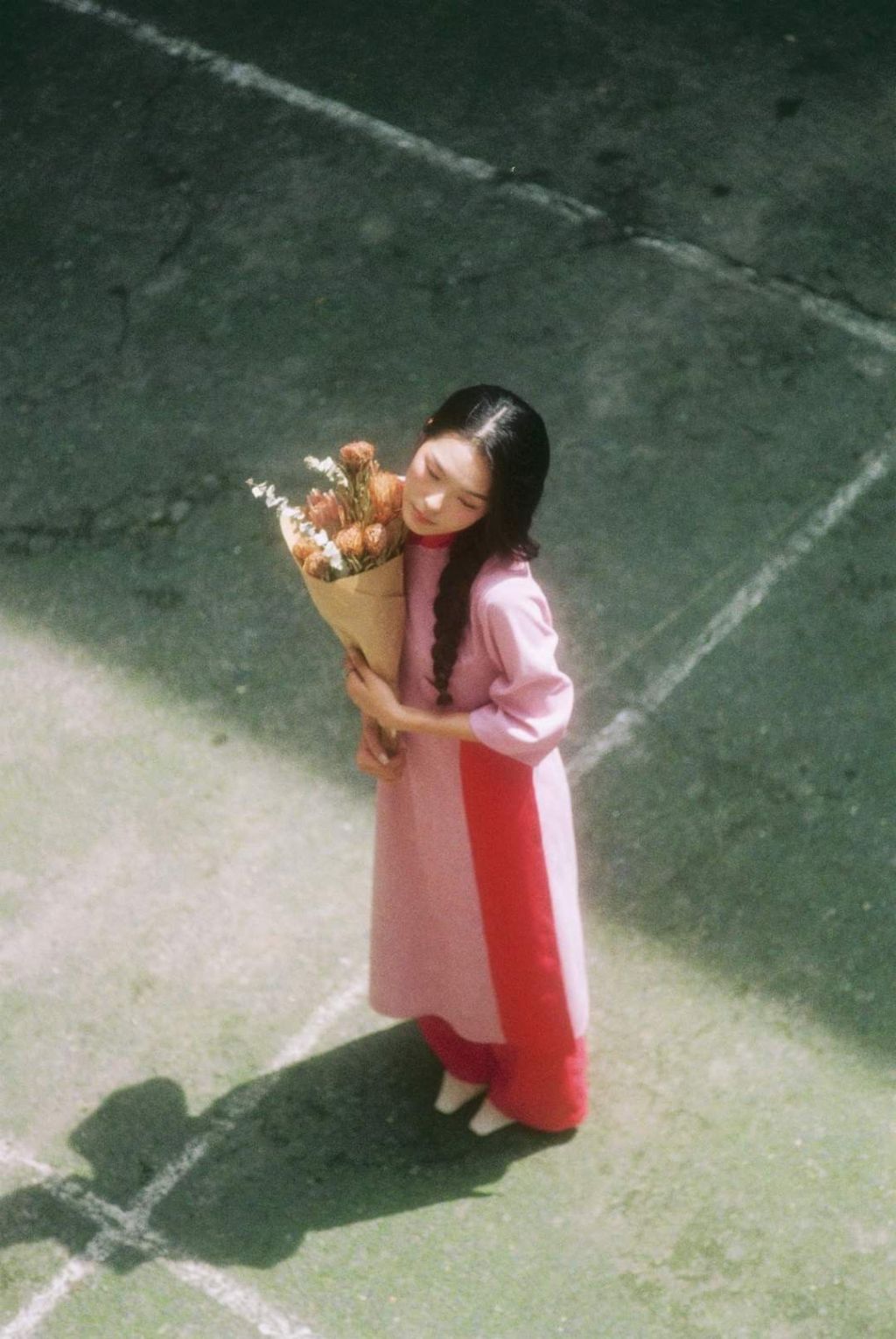
    Layering garments has become a tell-tale sign of someone who takes their style seriously (albeit, playfully). I commend the fashion icons strutting down the street with a billowy skirt over Adidas track pants, a stream of fabric gracefully trailing behind them. Prior to its resurgence in every cool girl’s wardrobe, layering had become a lost art form in modern Western fashion. As a child of Vietnamese diaspora, I can’t help but link the recent trend to the iconic Vietnamese garment, ào dài. A long tunic dress over wide leg trousers typically custom designed by a tailor to fit one’s form, this two-piece garb personifies Vietnamese cultural identity through historical tensions, an embracement of modernity and the power of the feminine. 

    Age-old narratives link the garment to the Dong Son people, a Bronze Age civilisation, who dwelled along the Red River Delta more than 2000 years ago. They were sophisticated seafarers with a knack for artisanal metal work, archeologically known for their intricately designed and expertly crafted bronze drums1. Etched onto the face of the drums are patterns that capture the forgotten past ,uncovering a possible precursor garment to ào dài. Visible in the design of the drum face are women ordained with five layers of fabric, floor length skirts, a fitted bodice, a two flap fabric front, and bronze trinkets2

    The Trung sisters (Hai Ba Trung), Vietnam’s first female generals, are often depicted as the first two women to wear ào dài; legend says that “when the Trung sisters went to battle, they rode elephants, wore two-panelled golden armour, covered with a golden parasol, and were splendidly decorated…”3. This two-panelled golden armour is said to be an early version of ào dài, and to honour these sisters, other women at the time distinguished themselves by fashioning a four-panel garb instead. Leading an army of mostly women into battle, they triumphantly led the rebellion against the Han Chinese dynasty who colonised parts of Northern Vietnam. They are worshipped as national heroes, doused in Vietnamese resilience and resistance.

    The origins of ào dài are debated through murky historical retellings, as iterations and alterations modified the garment across centuries. Geopolitical divisions of Vietnam had the attire of the Northern Kingdom, influenced by the Han Chinese–boxy robes with wide gaping sleeves, and a cross-collar that overlaps to the right atop a long skirt3,4. As a distinct marker of time, the year 1744 pinpoints the imagining of the garment as we know it. The lords of the Southern Kingdom had their courtiers dressed in loosely fit trousers under flowy robes instead, influenced by both Han Chinese and Champa culture–symbolic demarcation in difference to the North through fashion, birthing the inception of contemporary (-ish) ào dài 3,4

    By the 1930’s, cultural identity was interlaced with French colonial influences. Provoking controversy, LeMur (Nguyễn Cát Tường), a fashion designer from Hanoi, introduced Western influences. Accentuating a woman’s figure, the tunic was constructed to flatter and form, with critics claiming LeMur’s adaptation was too inappropriate for traditional Vietnamese wear4. As the United States gained political power in the 1950’s, Trần Lệ Xuân, the wife of the country’s chief advisor, embraced Western fashion, parading ào dài with a boat neck and shorter sleeves to reveal more skin, with the addition of gloves (very Audrey Hepburn-esque). This modern expression of femininity gained as much praise as it did backlash–Trần’s version was banned by the government because it supposedly promoted capitalist ideals3. Yet the power of her influence on the garment prevailed, as tailors and other women followed her lead.

    I believe there is room for both forms of ào dài.Traditional versions connect us to our ancestral lineages, proud histories and sense of belonging. Modern adaptations give space for innovation and creativity–why can’t ào dài be high fashion or a conversation starter? In Vietnam today, subversive fashion brands in Ho Chi Minh City are reimagining the ào dài with figure hugging mesh and screen-printed graphic designs. From sleeveless to halter necks, to traditional silk compositions and alterations with nylon or linen, the evolution of ào dài has and always will be a sign of the times. This may be where tradition is honoured but not forgotten, and modernity and global influences are invited to take part in the conversation of what constitutes ào dài.

    Personal style is becoming more and more experimental. People aren’t afraid to throw together contrasting textures, colours, patterns and pieces. Even so, áo dài showcases the timeless beauty, simplicity and functionality of layering.

    Footnotes

    1Bankston III, Carl L. 2022. ‘Dong Son Culture | Research Starters | EBSCO Research’, EBSCO <https://www.ebsco.com/research-starters/anthropology/dong-son-culture&gt;

    2Vietnam Investment Review. 2016. ‘Vietnamese Ao Dai: From Dong Son Bronze Drum to Int’l Beauty Contests’, Vietnam Investment Review – VIR (https://vir.com.vn/) <https://vir.com.vn/vietnamese-ao-dai-from-dong-son-bronze-drum-to-intl-beauty-contests-40377.html&gt;

    3Hity. 2023. ‘Ao Dai – Past and Present’, Hity <https://hityfashion.com/en/blogs/share/ao-dai-cua-chung-ta?srsltid=AfmBOorl0X5CliQBGibTSA6K5OoFmd6-LHwaqtI96dXOpoWa_yf6eNg-&gt; [accessed 16 May 2026]

    4Jake Hornberger. 2017. ‘The 2000 Year History of the Vietnamese Ao Dai’, Vietcetera <https://vietcetera.com/en/the-2000-year-history-of-the-vietnamese-ao-dai&gt;


  • Continuously, Looking: Cecily Brown at Serpentine South Gallery

    Continuously, Looking: Cecily Brown at Serpentine South Gallery

    Cecily Brown once said: “One of the main things I want my work to do is to reveal itself slowly, continuously, and for you to never really feel like you’ve finished looking at something (Louisiana Channel).’Picture Making’ at the Serpentine South Gallery feels like a direct articulation of this impulse.

    The show gathers works from 2001 to the present, forming a cohesive snapshot of Brown’s evolving practice. Across varyingly sized supports, familiar motifs recur: entwined couples, playful woodland scenes, and fragments of riverbeds dissolving into flurries of brushwork. These images oscillate between recognition and abstraction, never fully resolving, urging the viewer to study them closely, and then some.

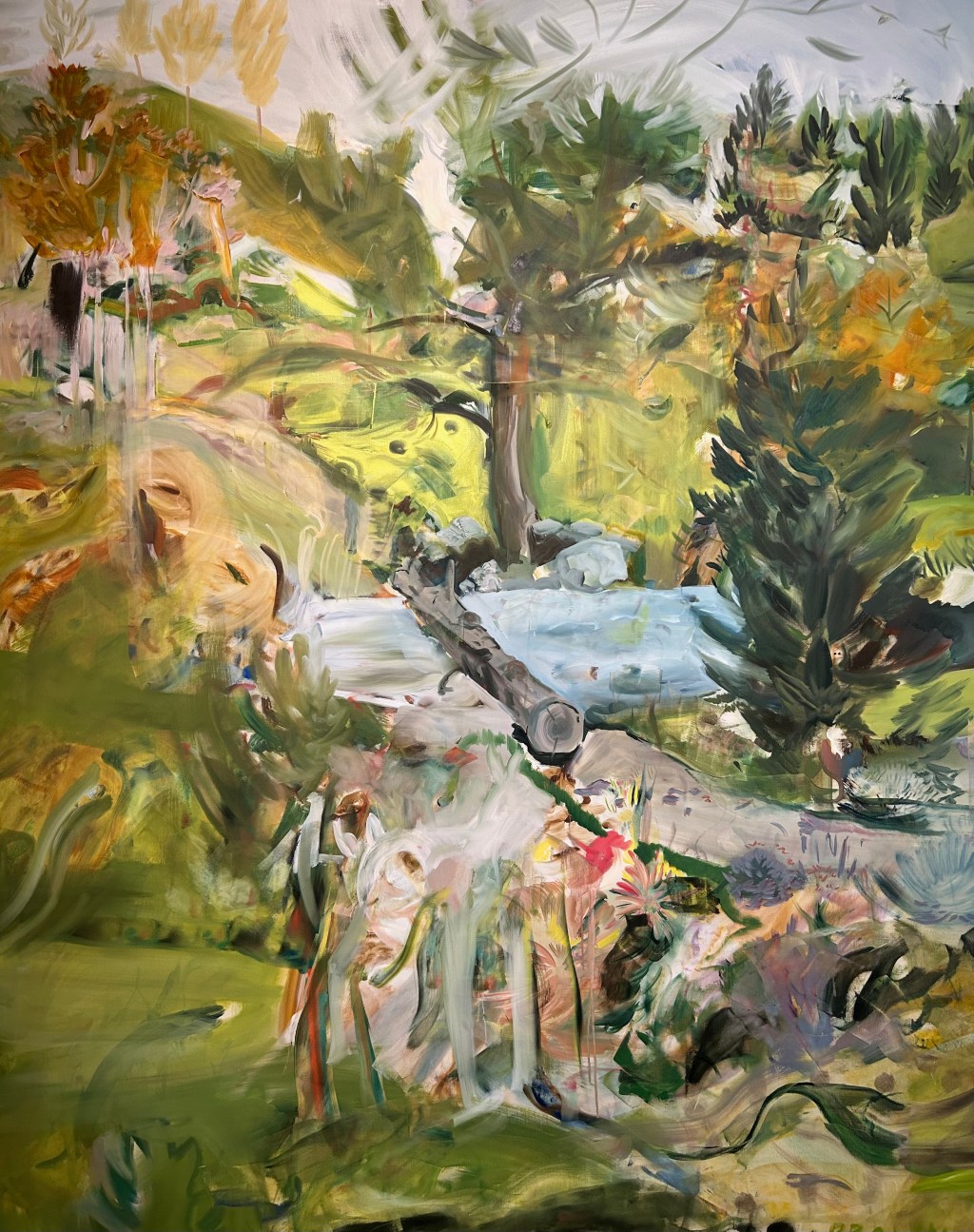
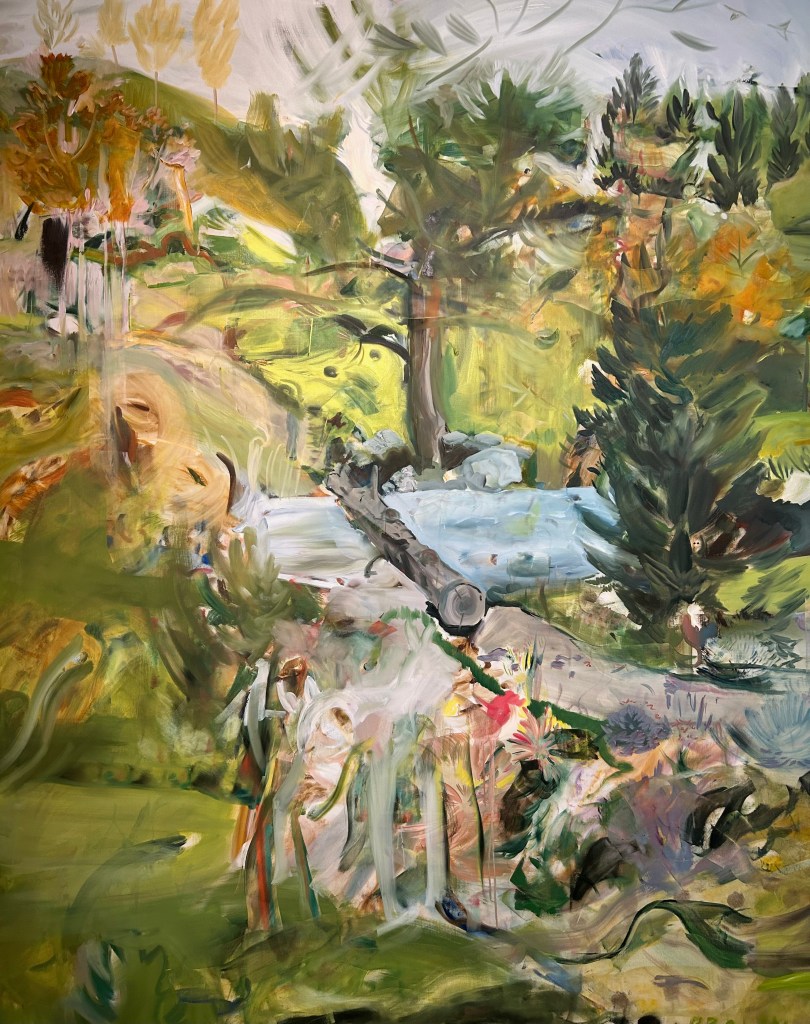
    Trees, a lake, a log cabin, a waterfall, a deer and a sunset (2024)

    Trees, a lake, a log cabin, a waterfall, a deer and a sunset (2024)features a composition that stretches across the canvas so that the eye is forced into motion. It moves from corner to corner—registering the blue of the water, the log across the lake, the yellowing trees in the top left, the darker vertical of a tree at the middle-right. There is a flurry of figures and green; there is movement without hierarchy. You don’t quite know where to settle, but you carry the uncanny sense that you have seen this all before.

    Continuity—of familiar scenes, of brushstrokes—is the exhibition’s most persistent anchor. Brown’s intuitive approach, allowing paint to lead rather than describe, results in compositions that feel both immediate and elusive. In A Round Robin (2023–24) the fleeting glance of a dark landscape surfaces and recedes almost simultaneously. Gestures, forms, and colours seem to footnote other pictures in the show. The works do not present a stable image so much as an ongoing act of realisation.

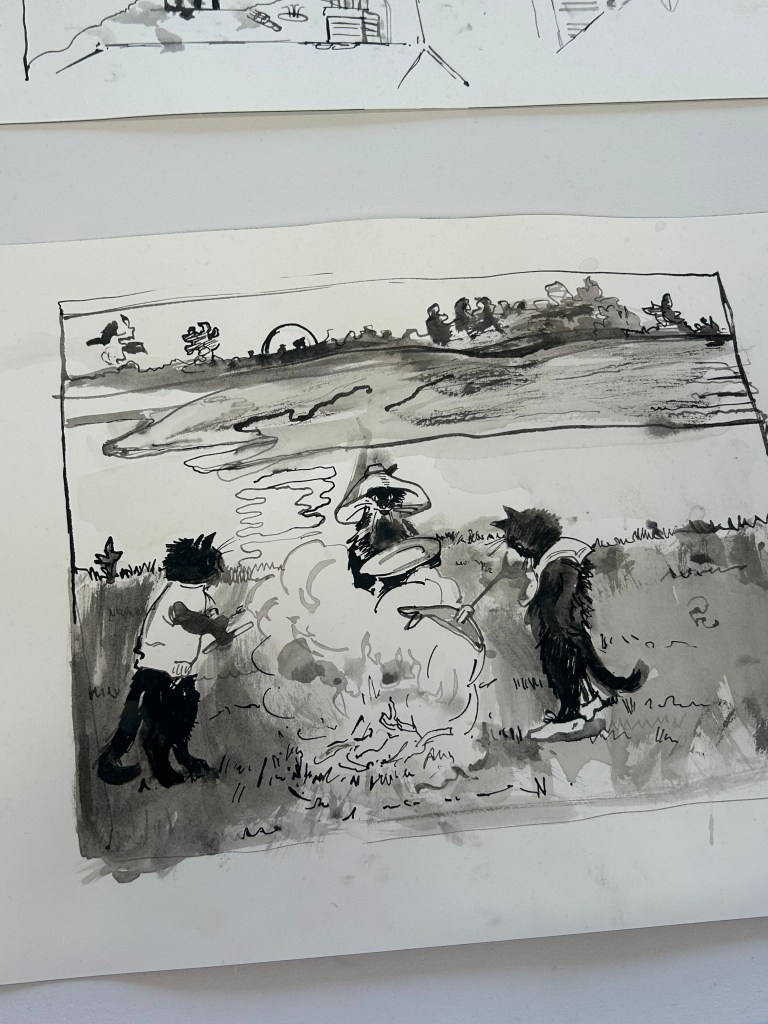
    The exhibition is well-suited to its setting. Nestled within Kensington Gardens, the gallery situates Brown’s paintings within a landscape that feels both intimate and historically weighted. Her references—to canonical Western painting as well as the visual language of children’s book illustration—extend into her drawings, where anthropomorphic cats tinker away like blue-collar workers within calm, pastoral scenes. These moments introduce an underlying tension between innocence and unease. The decision to paint sections of the gallery walls a deep burgundy, rather than the expected white, intensifies this atmosphere, lending the works a darker, more enclosed resonance.

    Untitled (from Three Kittens in a Boat) (2024)

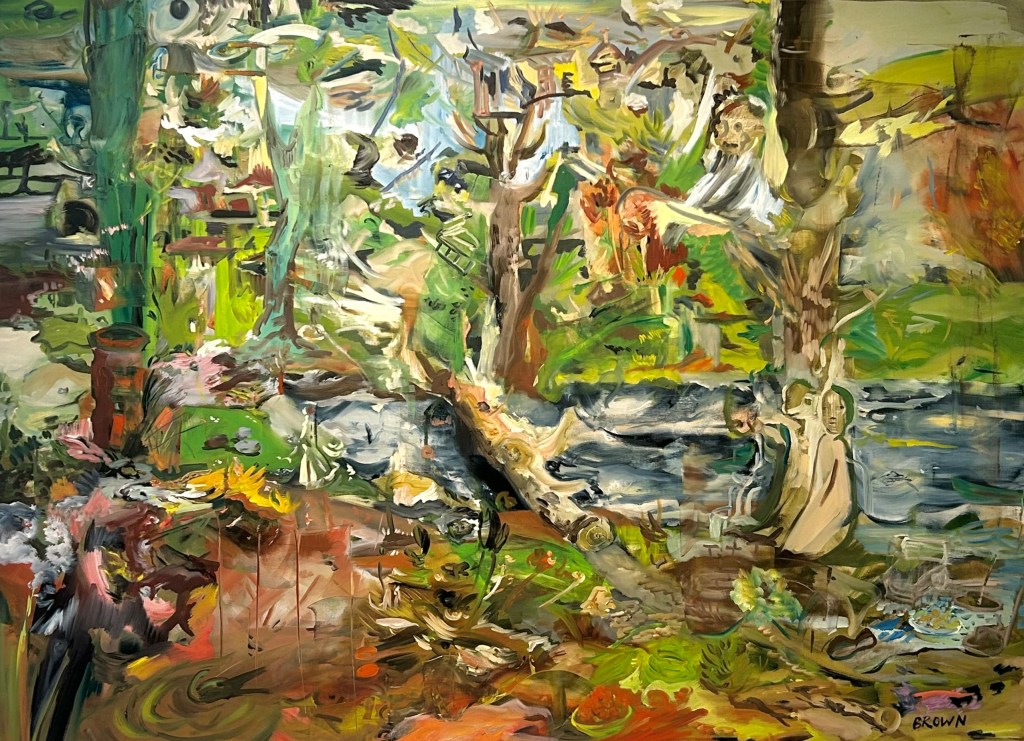
    Viewed in rapid succession, the paintings trace a movement between childhood and adulthood, one that becomes more pronounced as her earlier, more overtly figurative works give way to the increasingly complex surfaces of her later paintings. Couple (2003–04) offers a clearer example of figuration embedded within density. The entwined bodies remain legible: the brow, ear, and hairline of the male figure cut sharply through the surrounding jungle of brushwork. By contrast, Nature Walk with Nymphs (2024) opens into brightness and less assuredness. Fleshy strokes drift around a blue pond, their faces small and half-lost, while the recurring log across the river tenuously grounds the scene in reality.

    Nature Walk with Nymphs (2024)

    Brown’s strong engagement with the English landscape brushes against the darker undercurrents of Western nursery rhymes and cautionary tales. I happened, just after, to pass the nearby Peter Pan statue—a monument to a story so deeply embedded within London’s cultural oeuvre. It is often framed as innocent despite it being so grounded in colonial fantasy, possession, and existentialism—elements that echo through British history more broadly. In that moment, Brown’s paintings became reflections of the porous, and feeble boundaries between the body and its environment, each shaping and unsettling the other in equal measure.

    ‘Picture Making’ is on at Serpentine Galleries from 27 March to 6 September 2026. Entry is free.

  • Otherworldly Aotearoa

    Otherworldly Aotearoa

    Aotearoa, land of the long white cloud, was my home over the course of the pandemic. Normally, the geographical isolation of this two-island nation would have caused me agony. But during this time, it was a god-sent blessing to be secluded from the chaos of covid. 

    A transient refuge from my 9-5, I found myself in Queenstown–where the wild charm of the Southern Alps meets the bougie ski resort archetype. Here, travellers congregate in clusters with brightly coloured gear, decked out in Moncler and Arc’teryx, equipped to conquer the slopes of the famous quartz-veined mountains. As someone who is not blessed with the ability to slide down snowy peaks as I hold onto measly metal poles (for dear life), I had to discover another natural wonder to purge my burnt-out soul, to temporarily forget the pitfalls of the capitalist grind. 

    On the tail-end of winter, the sun’s rays percolate through the atmosphere, warm enough to thaw frozen summits. Slowly, snowmelt trickles down mountain ridges, streaming through prehistoric gorges and chasms. Cascading at sea-level, pooling into freshwater rivers and lakes, bordered by pebbled shorelines. Rock faces eons old erode, snowmelt transports sparkly minerals into these heavenly bodies of water. Silver and gold flecks glitter, pools so intensely turquoise. I wonder if I ever knew the colour blue before plunging my aching body into the holy water that is Makarora River. 

    Worn out city-dwellers, my kindred spirits, escape to the Coromandel Peninsula every summer. Reminiscent of Australia, this coastline is renowned for its white sand beaches, endless surf and happy-go-lucky attitude. Seeking something different, we journeyed further up the peninsula. With a GPS set to reach the very tip of the Coromandel, Colville General Store was an essential stop. The last shop on the route, this old-school milk bar and service station is stocked and loaded for a zombie apocalypse.

    Venturing on, the winding, and at times, one-track road steered our compact rental car. Succumbing to the dusty unsealed lanes, clouding our periphery of deep green native forest. There are off-grid wooden homesteads hidden amongst the valleys, few and far between. How do people live like this?

    Maybe I should like live this.

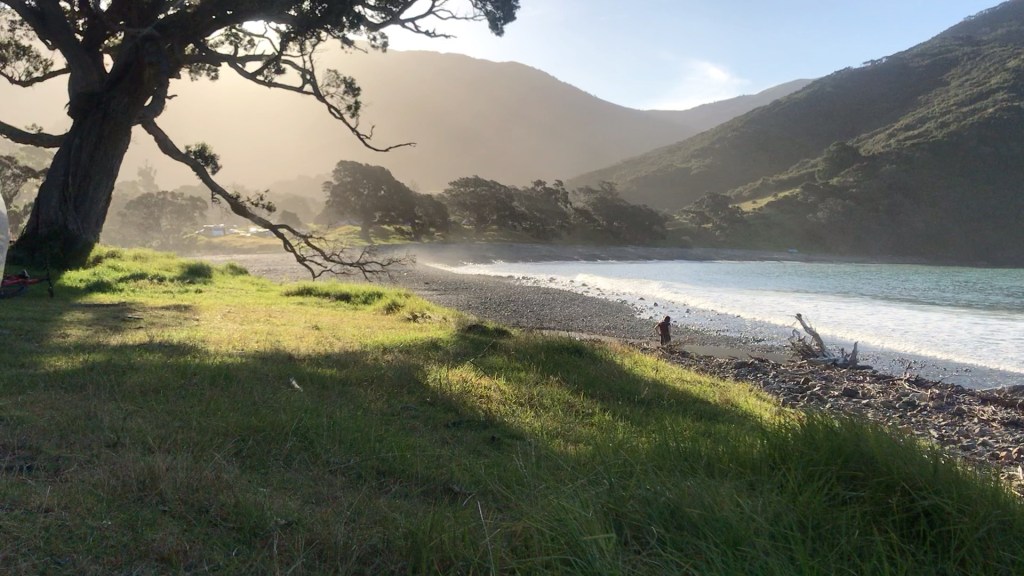
    Enchanting undulating hills intersect with backcountry bush. Awe-struck in silence, my companions and I soaked up the beauty that is the essence of Aotearoa. We sensed we were off in a faraway land, where time ceases to exist, whole-heartedly in the present moment, utterly in reverence of life itself. This feeling is the reason we travel, and it cannot be put into words: only embodied and experienced.

    Jagged cliffs, untamed oceans. Kids embrace us like family. “Kia ora!”, they chirp, with sincere smiles and earnest eyes.

    Kapowairua (Spirits Bay) in Northland is rich in Māori history. It feels like the end of the world. Soapy beach froth merges into overcast infinite sky; the sacredness of this site is omnipresent. It is said that spirits travel to this region as they transition from the earthly plane. Not one dared to swim too far into the suspiciously calm waters, fearing the riptides would mistake you for a wandering soul, inviting you to the underworld. 

    Across Australia, annual leave is reserved for budget holiday destinations, Bali, Thailand, etcetera. Or for an escape from the lacklustre winter to a Euro summer, city-hopping from Paris to Berlin.

    New Zealand will always be there, they say. While I could gatekeep the ethereal lands of our next-door neighbours, they also deserve to be celebrated for more than Lord of the Rings. Being our sibling country, it makes visiting Aotearoa feel extra special and strangely akin to home. 

  • Swiss-Water Decaf and Other Signs of Gentrification

    Swiss-Water Decaf and Other Signs of Gentrification

    Without giving too much away (like my personal address) it is with great neutrality that I confess that my suburb is finally getting a makeover, and that my childhood home is most likely going to double in value within the next 5 years.

    There’s no denying the steady, almost bubonic sprawl inching further west with each passing year, as more and more funding goes into gentrifying our western suburbs to accommodate a growing population.

    At university, I quickly learned that most of my friends had no real idea where I lived—geographically or otherwise. Anything beyond the northern side of the bridge might as well have been regional.

    Maybe it was the internalised insecurity of growing up in a no-name suburb. Maybe it was the stigma of living somewhere that felt cryogenically frozen in 2002. Or maybe it was simpler than that. Maybe it was all my friends’ proximity to the coast, and my forty-five minute commute to a body of water, that really solidified our socioeconomic status on opposite sides of the spectrum. 

    But it’s 2026 now, and the living crisis in Sydney is at an all-time high. This means, for the first time in history, my suburb has been declared desirable by enigmatic TikTok real estate agents.  

    At a new coffee spot just minutes away from me—a converted warehouse, naturally— I sipped from my $10 cold brew, perusing the cafe’s Google reviews until the critique of a local foodie piqued my attention. 

    {Redacted} is the beginning of the end for this suburb: a sign that the creep of gentrification has truly reached its door.

    Try living next door to two high-rise apartment blocks, I thought.

    I kept scanning the familiar letters of my suburb’s name, in disbelief that anything remotely trendy could be synonymous with it.

    For as long as I can remember, the main promenade of my suburb could be compared to the likes of a vibrant international strip––growers and sellers spilling onto the road, crates stacked too high, fruit sweating in the sun. It was too unorganised to feel metropolitan, yet the war memorial standing proudly in the centre was enough to snap you out of the hallucination. 

    Fragments of my suburb brought great comfort to me—a Cash Converters, permanently wrapped in “Closing Down” banners that had gone all sun-bleached and torn at the ends. Butchers that shouted in foreign tongues: cash only. Produce bartered by little ladies perched on milk crates, who boomed incoherent specials into a karaoke mic. The token charcoal chicken shop we frequented for a Friday night treat. And other fronts. I’m sure. 

    I didn’t spend much time there, it was slightly out of the way from my side of town, but I often passed through on the way home.

    To me, it was iconic: bursting with no-frills culture and fast-paced calamity. It wasn’t my culture, exactly (you’d usually find me at the European deli in the adjacent suburb), but sometimes I wish I embraced it more, growing up. 

    For years, my friends and I caught up for coffee in the next suburb—fifteen minutes by bus felt like a necessary pilgrimage. I used to mourn the absence of a local café within walking distance from my house. Not just any café, but the kind tucked into the dormant remains of an old milk bar, or carved into a heritage building—you know the ones that line the streets of Surry Hills.

    Now we have Swiss-water decaf on our doorstep and pilates studios, multiplying at an alarming rate. It feels strange to realise things aren’t just changing here, but they already have.

    Recently, I immersed myself into the world of alternative medicine (because you either train for Hyrox in your late twenties or you start healing your gut). In the process, I discovered my suburb was riddled with Chinese herbalists, reflexologists and spiritual readers—services I had once travelled interstate to access. 

    What the hell? 

    With a smile, I tucked my medicinal herbs into my bag, waved at the jolly elderly couple, and walked home—peering into sage-infused studios, housing palm readers and other spots I’d saved on Google Maps along the way. Until recently, I would never have guessed I’d be wandering through my own suburb like a tourist.

    Upon reaching my street, I took in the emptied blocks of land, standing awkwardly beside five-storey apartment buildings, the drilling humming like white noise at the back of my mind. A young-ish woman in Doc Martens and purple hair slipped into the brand-new complex, a family trailing behind her with their two golden somethings. I took notice of the mass immigration of purebred oodles cashing up around town. 

    But in all honesty, it is nice to see new faces, from all generations and demographics. There’s a strange comfort in being surrounded by families and younger couples choosing to build a new life here. Choosing my childhood suburb to call home. 

    Despite the passage of time and everything that comes with it, the bustling, unassuming version of the town I grew up in is forever etched into my memory.

    And for now, I can’t deny the small indulgence of a $10 cold brew within walking distance.

    Is that so terrible to admit?

    Words by Yianna Tromboukis

  • The Rise of Independent Perfumers in Small-Batch Fragrance and our favourite scents of 2026 

    The Rise of Independent Perfumers in Small-Batch Fragrance and our favourite scents of 2026 

    In an era of endless launches and permanent collections, a shift is taking place in fragrance—one that favours scarcity over scale. Independent perfumers are returning scent to something tactile and time-bound, working in small batches where materials vary, editions disappear, and each release carries a sense of occasion. Rather than buying a signature to last forever, wearers are embracing perfume as something lived through a season. 

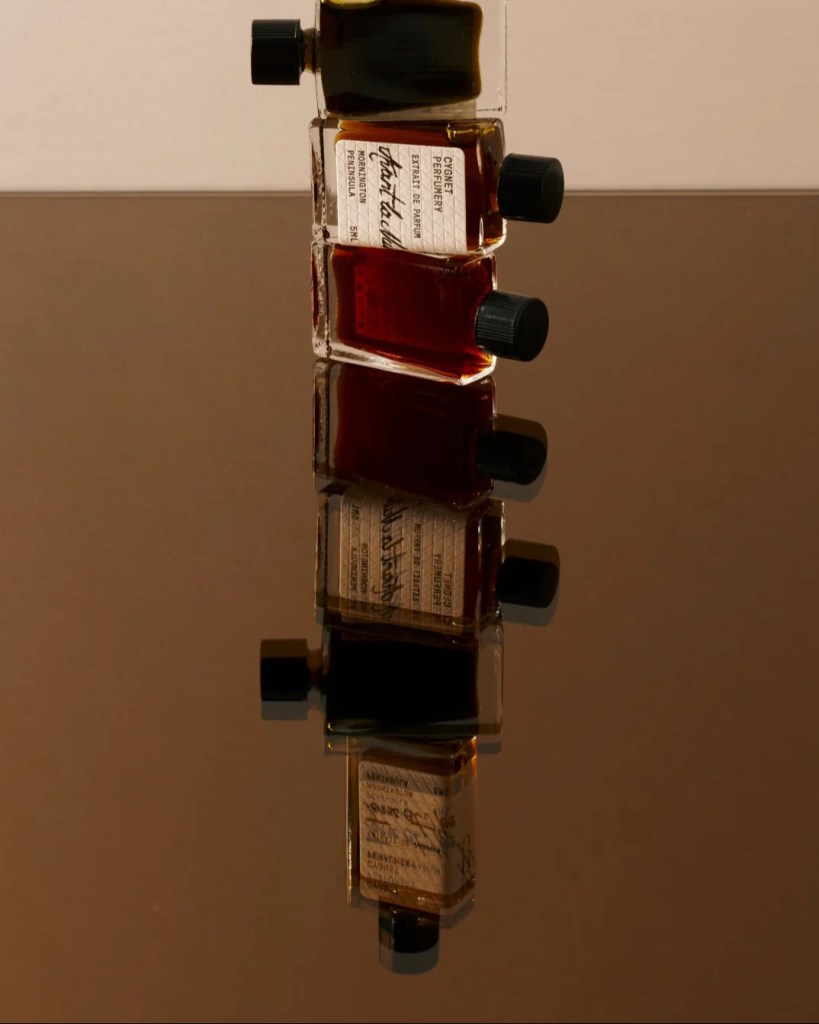
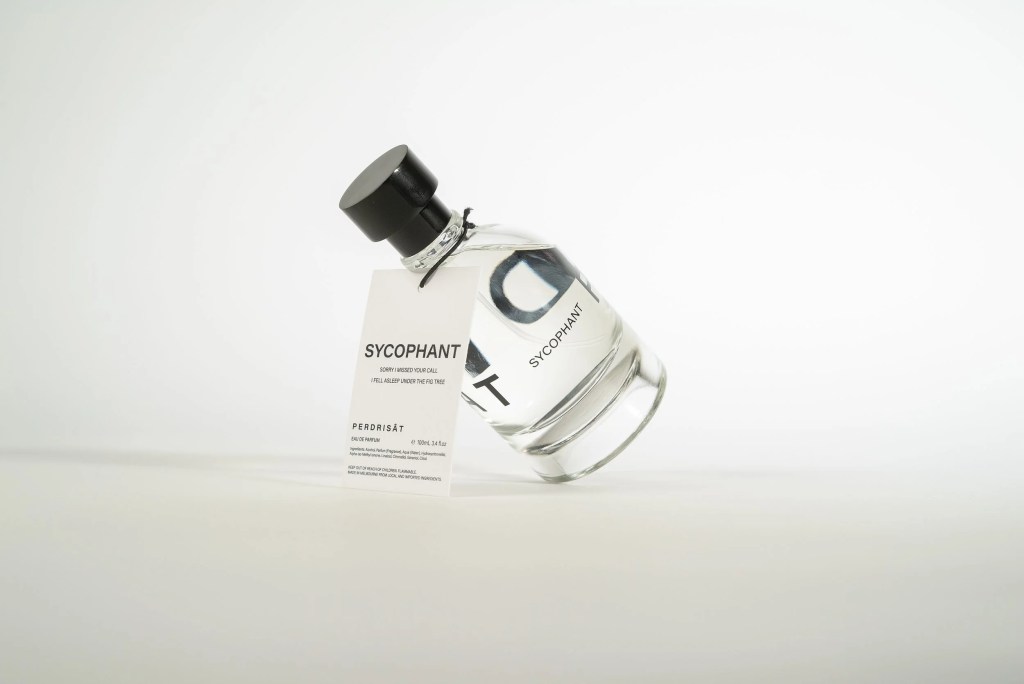
    Cygnet Perfumery and Perdrisat Perfume sit at the forefront of this movement, favouring botanical complexity and subtle evolution over projection. Below, we explore what makes each house distinct and share some of our favourite fragrances of 2026 (so far) that capture this shift in scent culture.

    CYGNET PERFUMERY

    From Cygnet, the blends lean atmospheric: soft florals warmed by resinous depth, woods that soften into skin, citrus notes that fade into something almost nostalgic. Each fragrance feels crafted rather than manufactured, unfolding on the skin with the kind of nuance and complexity that only thoughtfully sourced botanicals can provide. Sondrine, founder of Cygnet Perfumery, brings to her work a deep reverence for the landscapes that inspire her, each perfume unfolding as a story rather than a formula.

    AVANT LA NUITCognac, Cinnamon, Peach, Dried Fruits, Ylang Ylang, Tobacco, Cedarwood, Nootka, Sandalwood, Amber Accord.

    PERDRISÂT

    Perdrisat Perfume approaches scent with a poetic curiosity that feels deeply personal. Inspired by narratives and subtleties whether a memory, a place caught in fog, or the warmth of wood and spice—Perdrisat’s editions channel a rare kind of storytelling that favours nuance over volume. Each creation is a blend of conceptual depth and artisanal precision that has earned Perdrisat a distinct place in the world of independent perfumery.

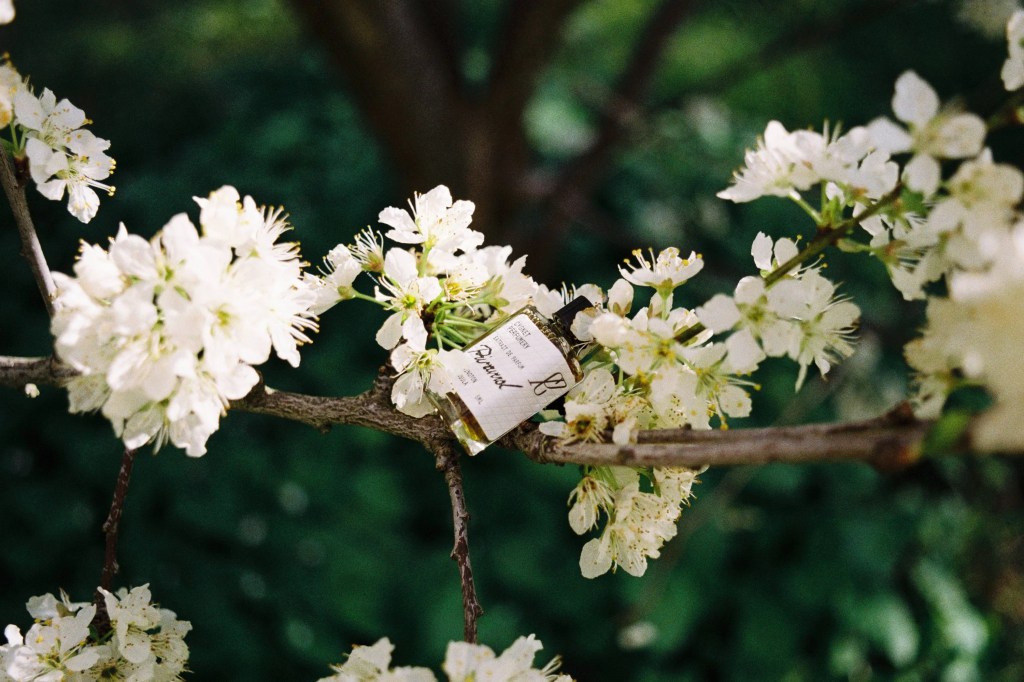
    SYCOPHANTFig leaf, Milk, Sap, Cedar, Ambrette

  • Morocco Is a Mirror

    Morocco Is a Mirror

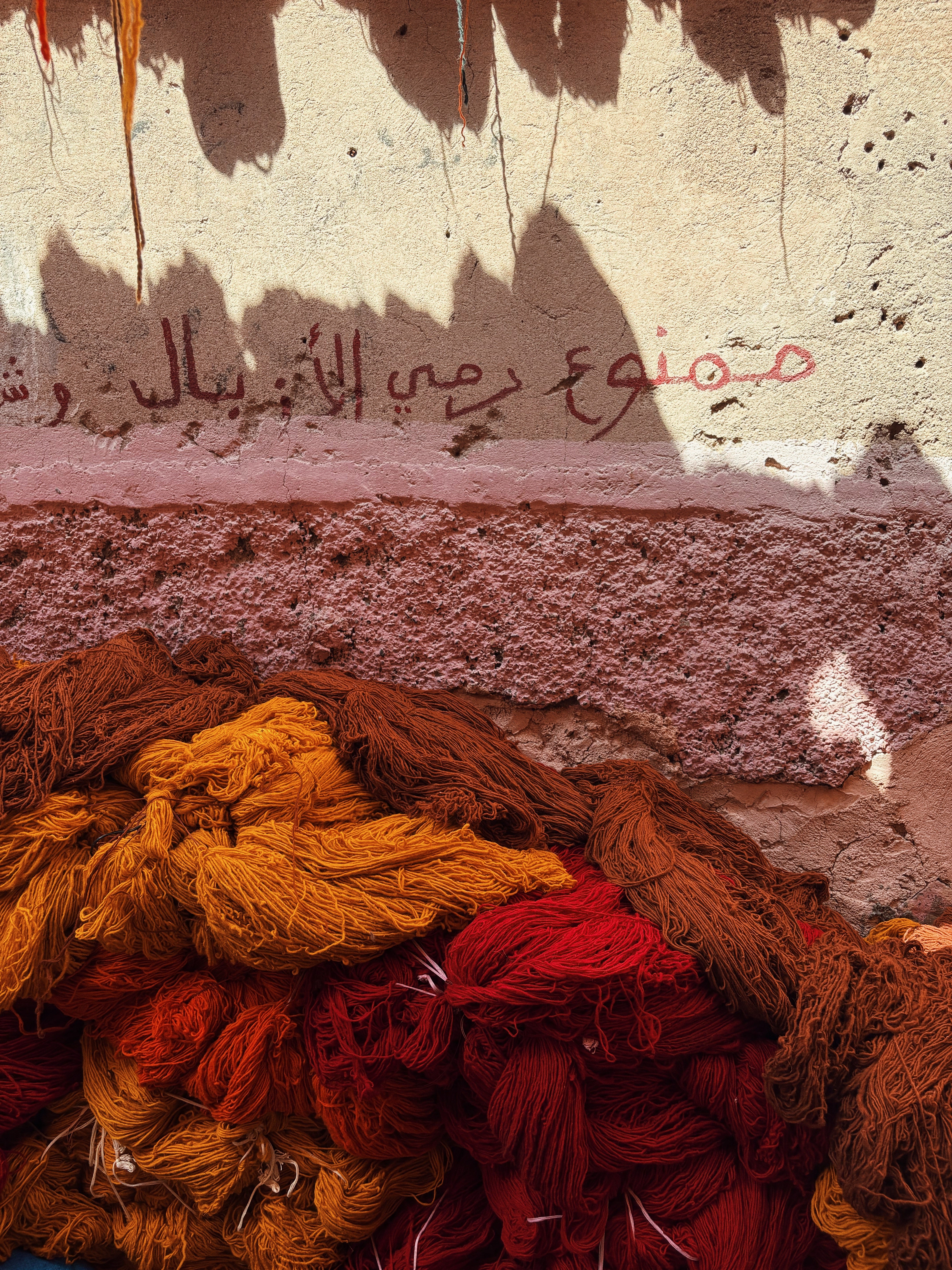
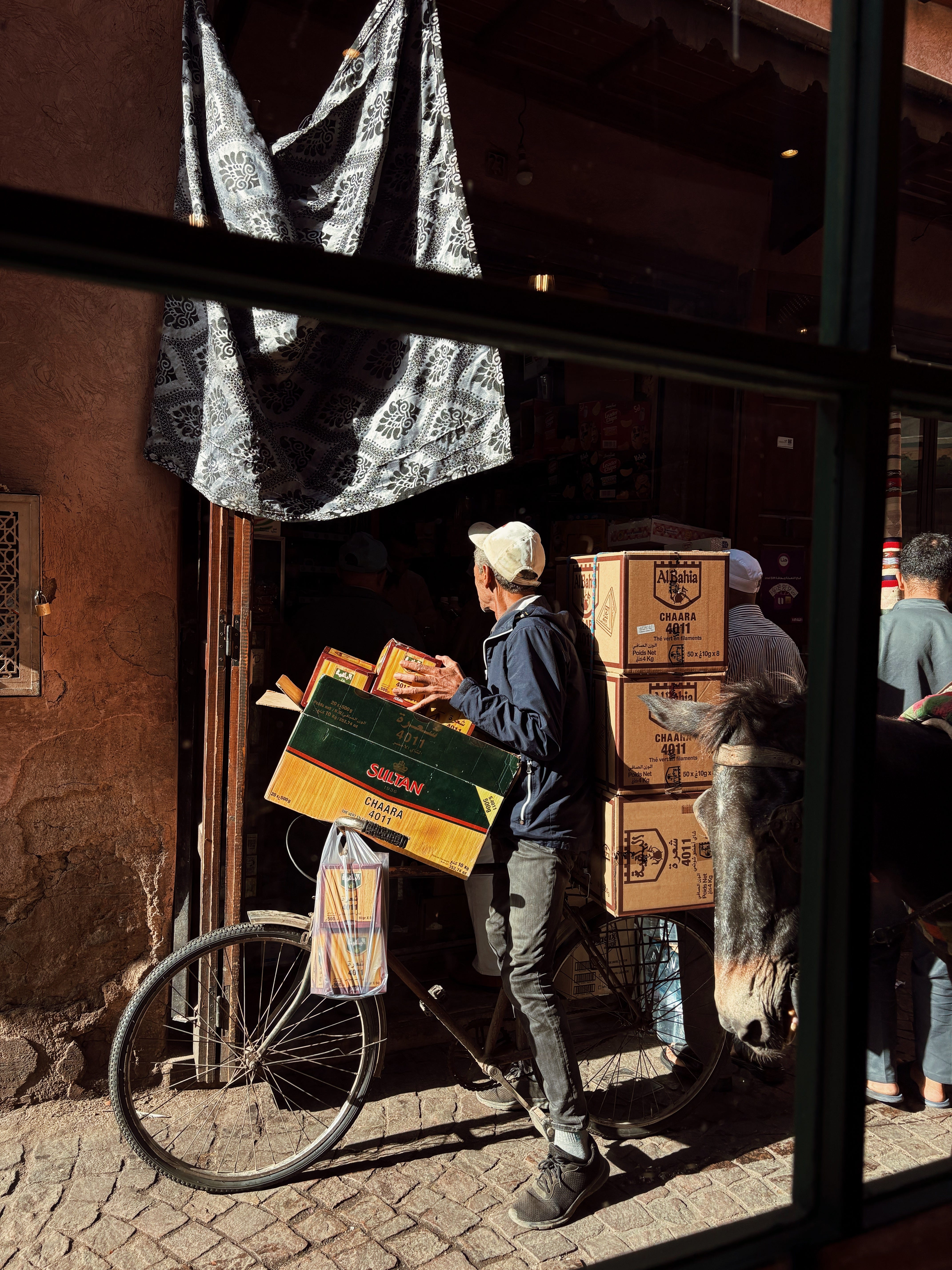
    The heat met us before our driver did, but it was dry and tolerable as we sat in the backseat and endured the last three hours of travel. The transfer was a monochromatic transition from city walls to farmhouses, interrupted only by palm, argan, and olive trees standing proud in the arid landscape.

    After spending one week visiting a friend doing research in Ghana, I moved north to spend another week in Morocco with family and friends. The trip was an unmet tension between myself and spaces unbeknownst as I moved through the streets of Essaouira and Marrakech.

    When you’re thrown into a space geographically and culturally distinct from the customary, it’s easy to reduce it down to presupposition–where phonetic and linguistic barriers would render you parti pris in your experience of it all. I entered with the subconscious assumption that I would have no point of familiarity. But when you meet a place where it’s at, it reflects facets of yourself revealed only in the unfamiliar–a woeful but wonderful paradox.

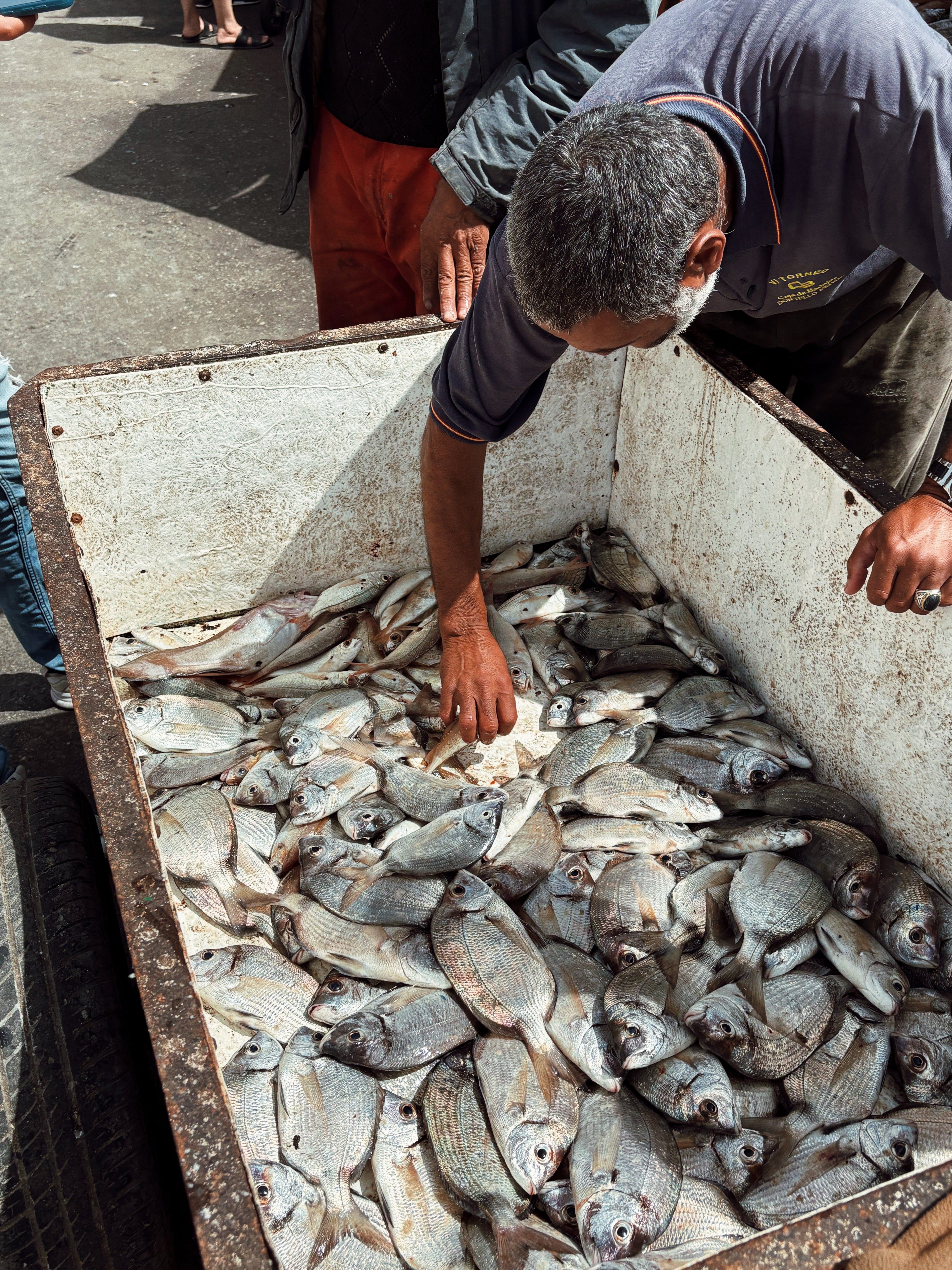
    Blue, all blue, the doors, the ocean, the fish stands. Essouira was cooling, both for the soul and the body and most days were spent walking through the medina, finding ceramic and silver wares to fill my luggage with. It took two days to confidently navigate my way through the main streets; this was abetted by the shopkeepers who recognised us (c’est les Australiens) and we would wave at them until we turned the corner.

    On the last day we made sangria and drank it on the top terrace (yes, we had two). White wine, fresh juice and cut up peaches swam in a teapot as we smoked, listening to music and watching the cats traverse across the stones and washing lines which framed the skyline.

    Later, we found ourselves in an outside bar. Crowds watched as the bodies below danced in the open air, moving to the sounds of the night. Loud music fed us until we surrendered at 1:30 am. We skipped along the water and back inside the city walls, running through the streets and past the cats as we clung to the last snatches of Summer.

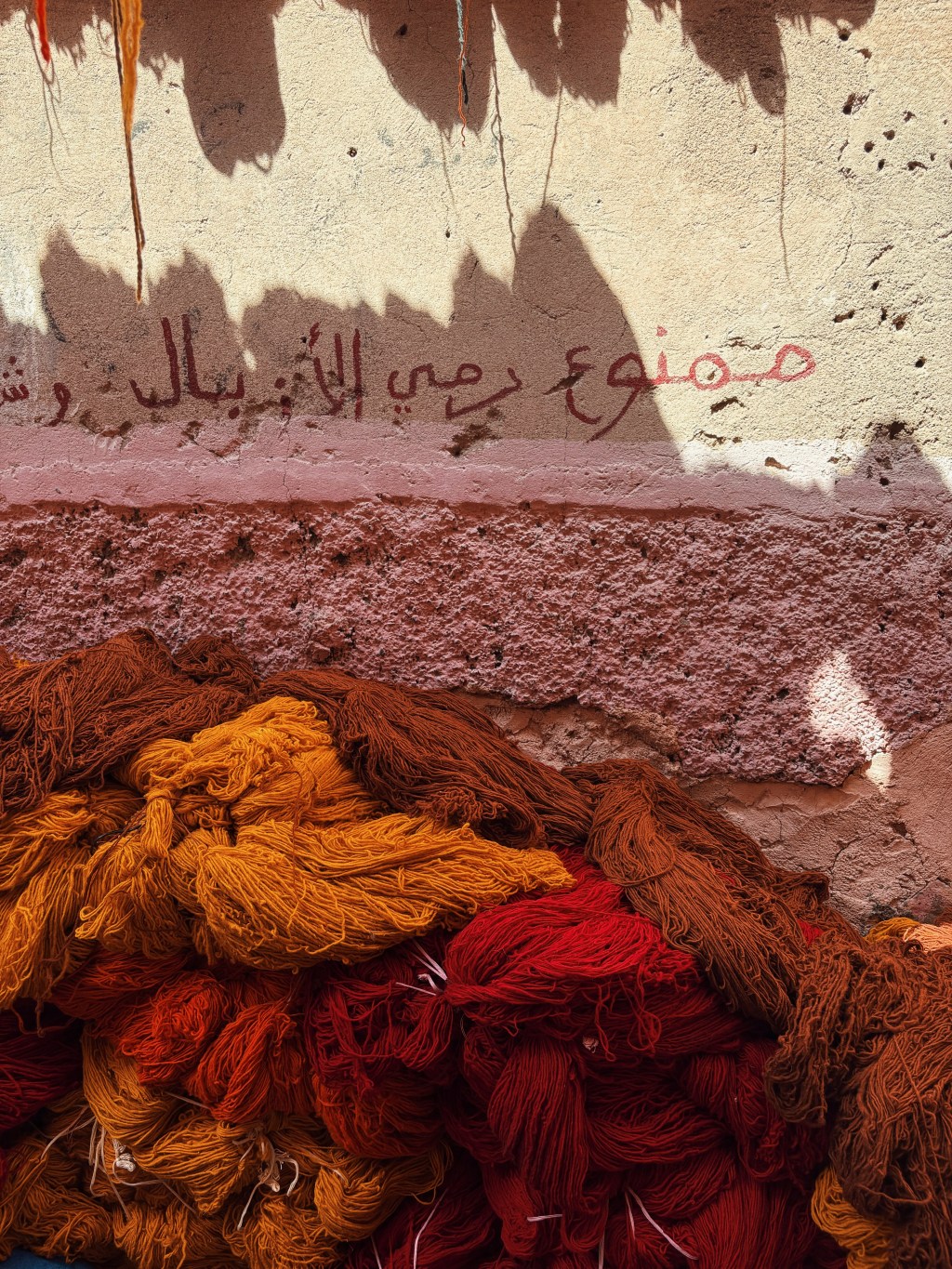
    Four days back in Marrakech where the crowds and noises overwhelmed my senses and obscured my thoughts. Everything was an acceleration of the former and we frequently sought solace on the rooftops of restaurants and riads, where the heat danced through the doorways and windows.

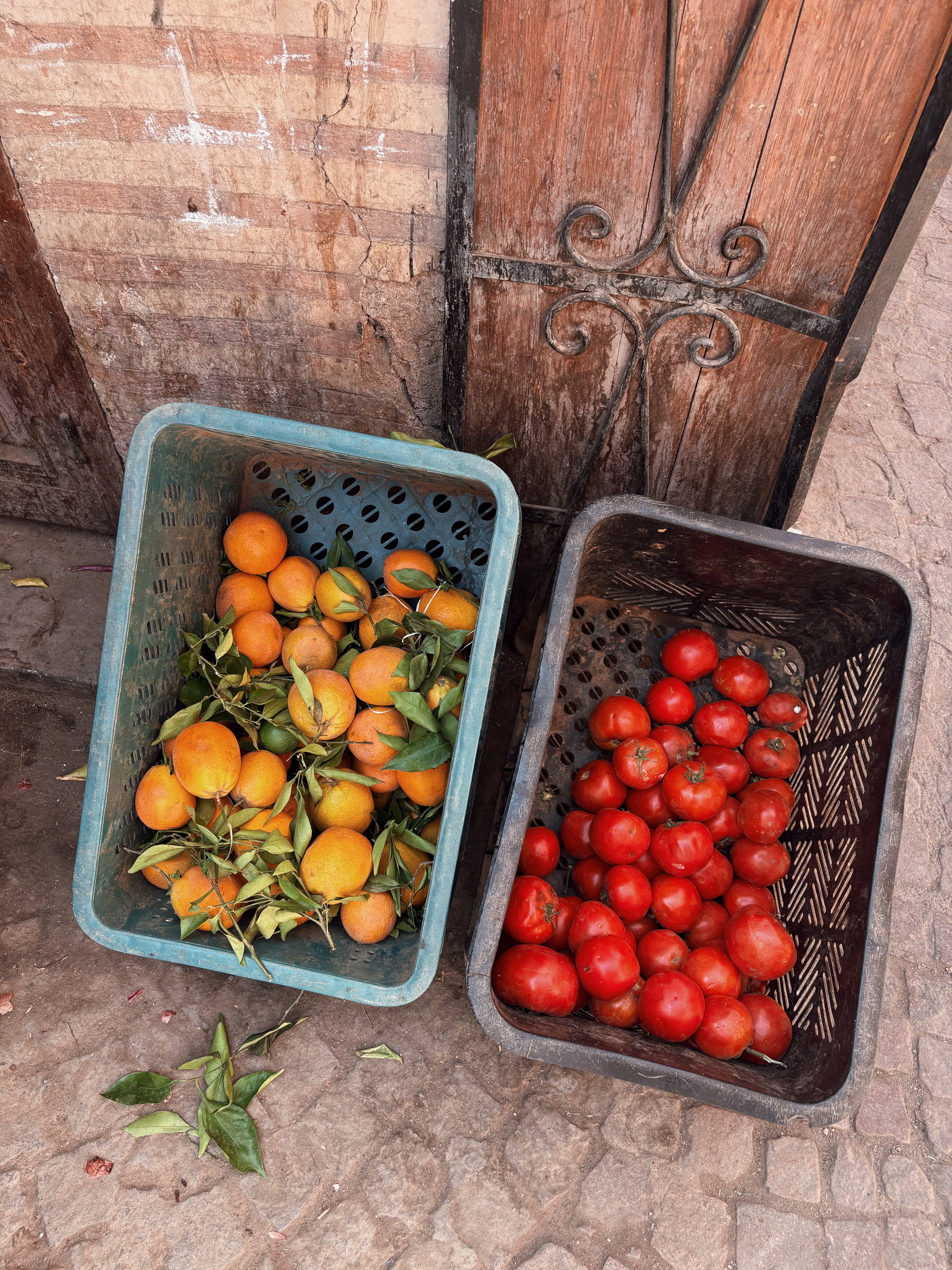
    The city expresses itself by virtue of the people–foundational to how the streets operate. If you wake early you can feel the rhythm before the crowds drown it out. Mint tea on silver platters is a pharos for understanding the shared life here. Poured from a height and shared to neighbours, friends and strangers. After all, who are we if not our interactions with others? If not our moments of communion? Collectivism is the reflector of humanity. All it takes is some time, and reflection to see it.

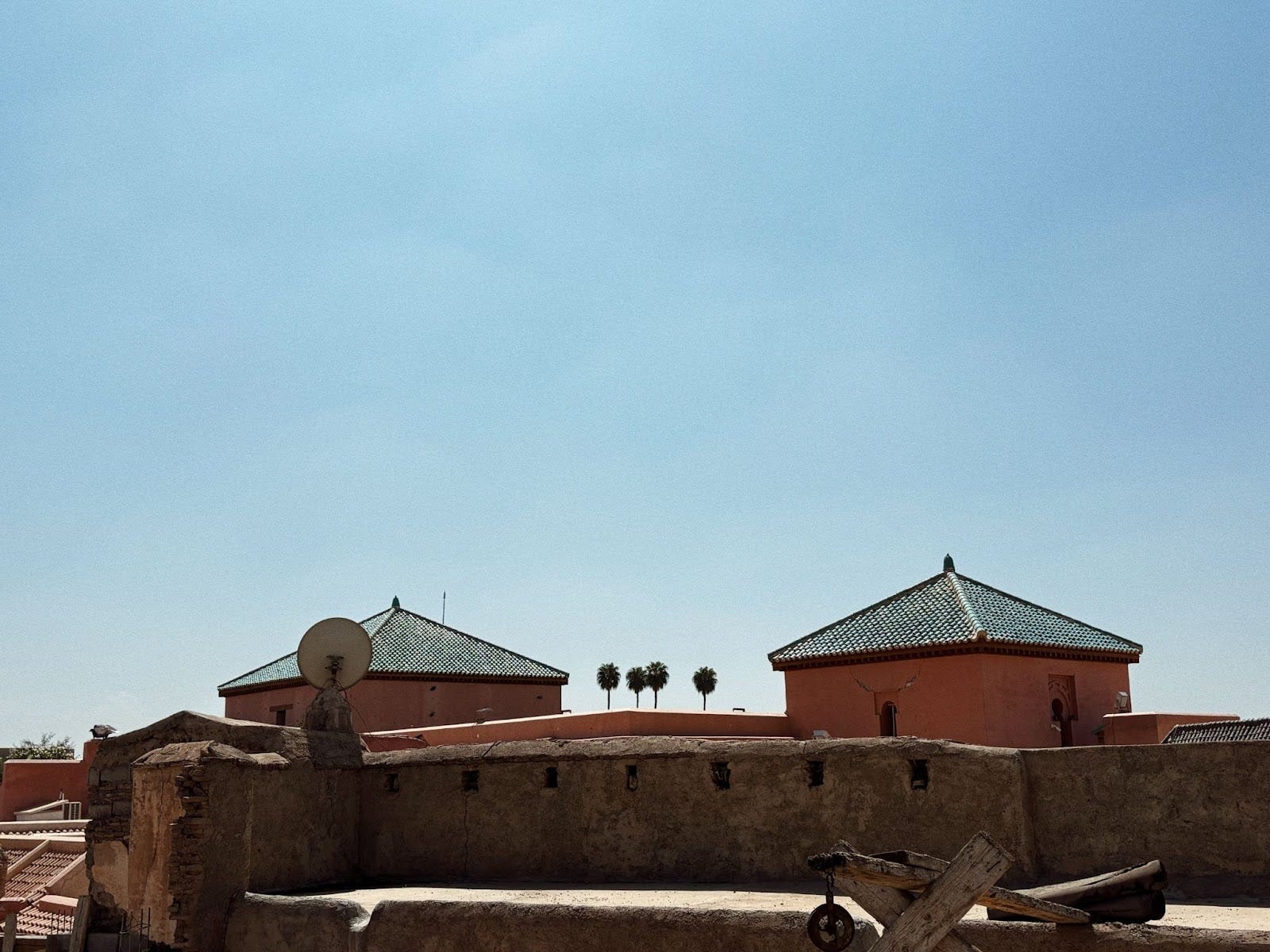
    The final night I watched the mosque glow in the distance. We stared at each other, curious about our differences but connected in our similarities. The night smelt like orange blossoms and burning amber and I imagined myself running across the terracotta roofs, I would sit in the palm trees as the city rippled below me. Each moment, real or not, was a pilgrimage unto myself. Identity is a soft cage when you see yourself in relation to the world around you.

    Words by Emma Sun @emsun7s7

  • Light That Lasts: Amsterdam, a Living Archive

    Light That Lasts: Amsterdam, a Living Archive

    On a canal boat, wedged between my mother and a sullen french teenager, a vaguely classical tune drifted through the universal-fit earphones perched above my hoop earrings. 

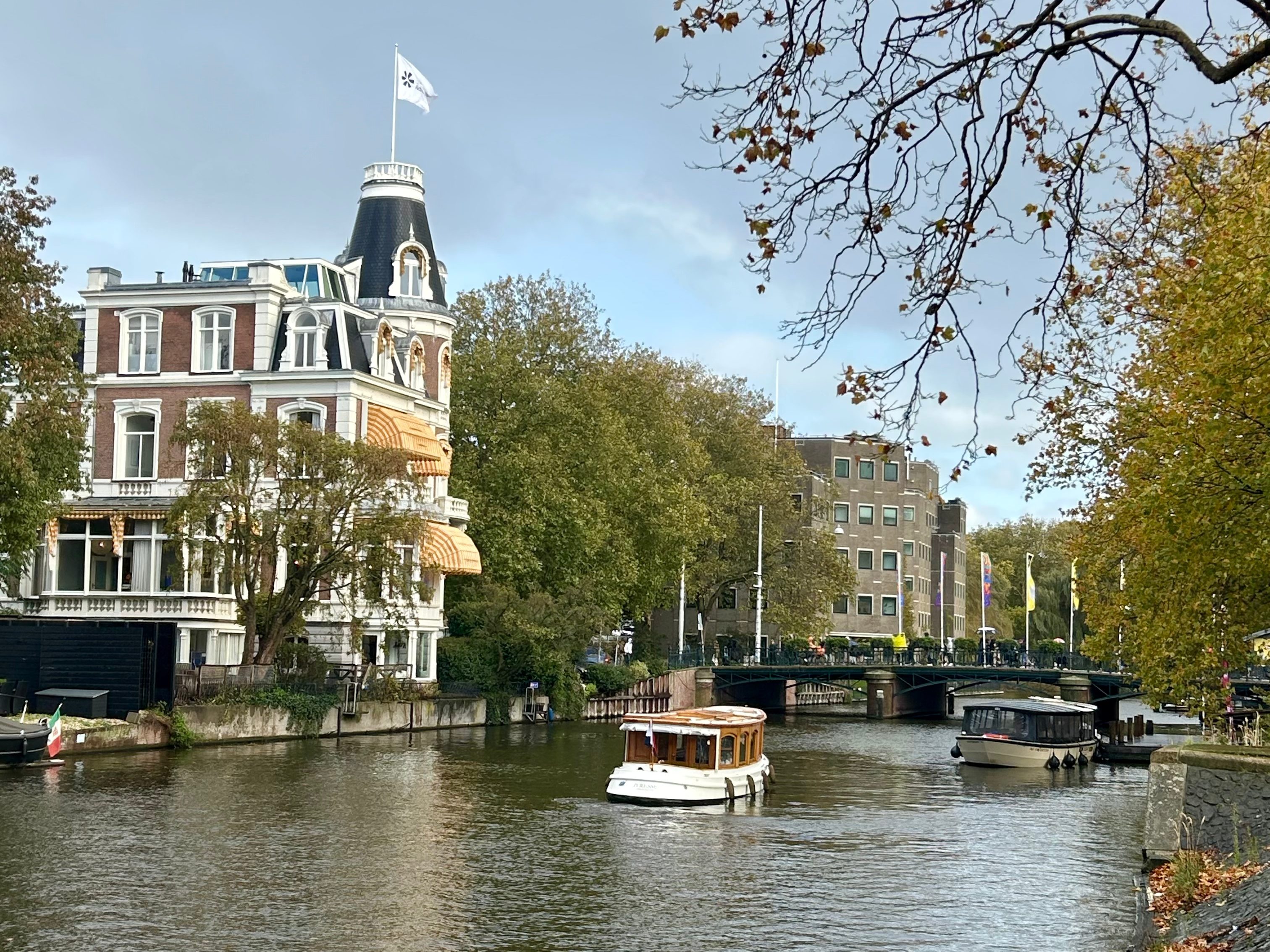
    On the right, you’ll see the Westerkerk–that is, the Western Church. This is where Rembrandt van Rijn was buried in an unmarked grave. His remains were later exhumed and moved, as was the norm for the poor at the time of his death in 1669. 

    Today, you can pay your respects for the renowned painter at the commemorative stone on the north wall of the Westerkerk, or even at the Rijksmuseum!

    In art school, Rembrandt often came up in lectures and from tutors’ lips. My earliest associations with the name were a paint brand, the artist’s reputation as one of the the masters of light, and an advertised course in my home city where people paid to learn how to paint like him.

    The promotional images captured dutiful students cutting out and taping up A2-sized inkjet prints of his paintings. They spent five days in a row, six hours a day, trying to capture his famed light beside them, like a devotional exercise.

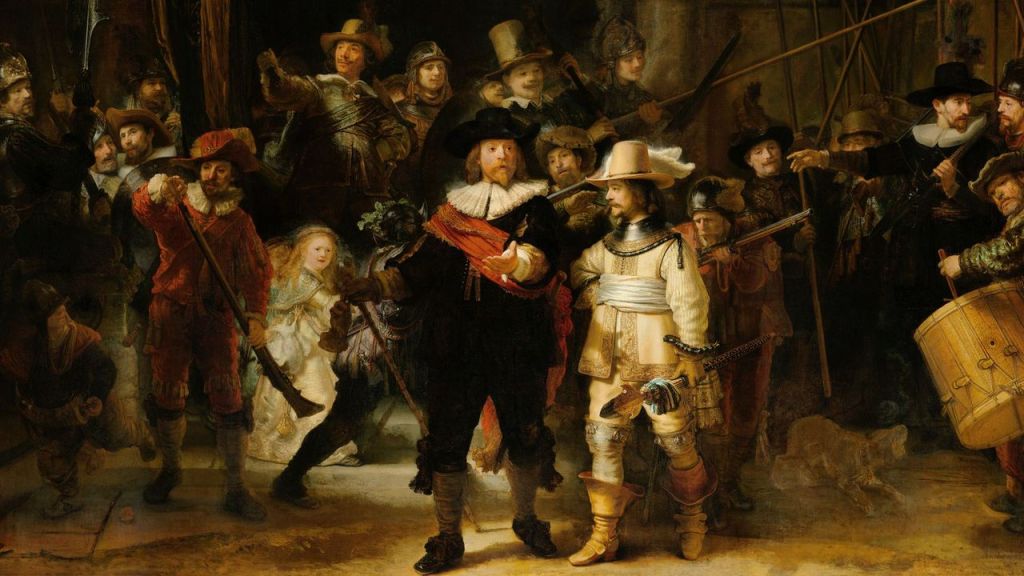
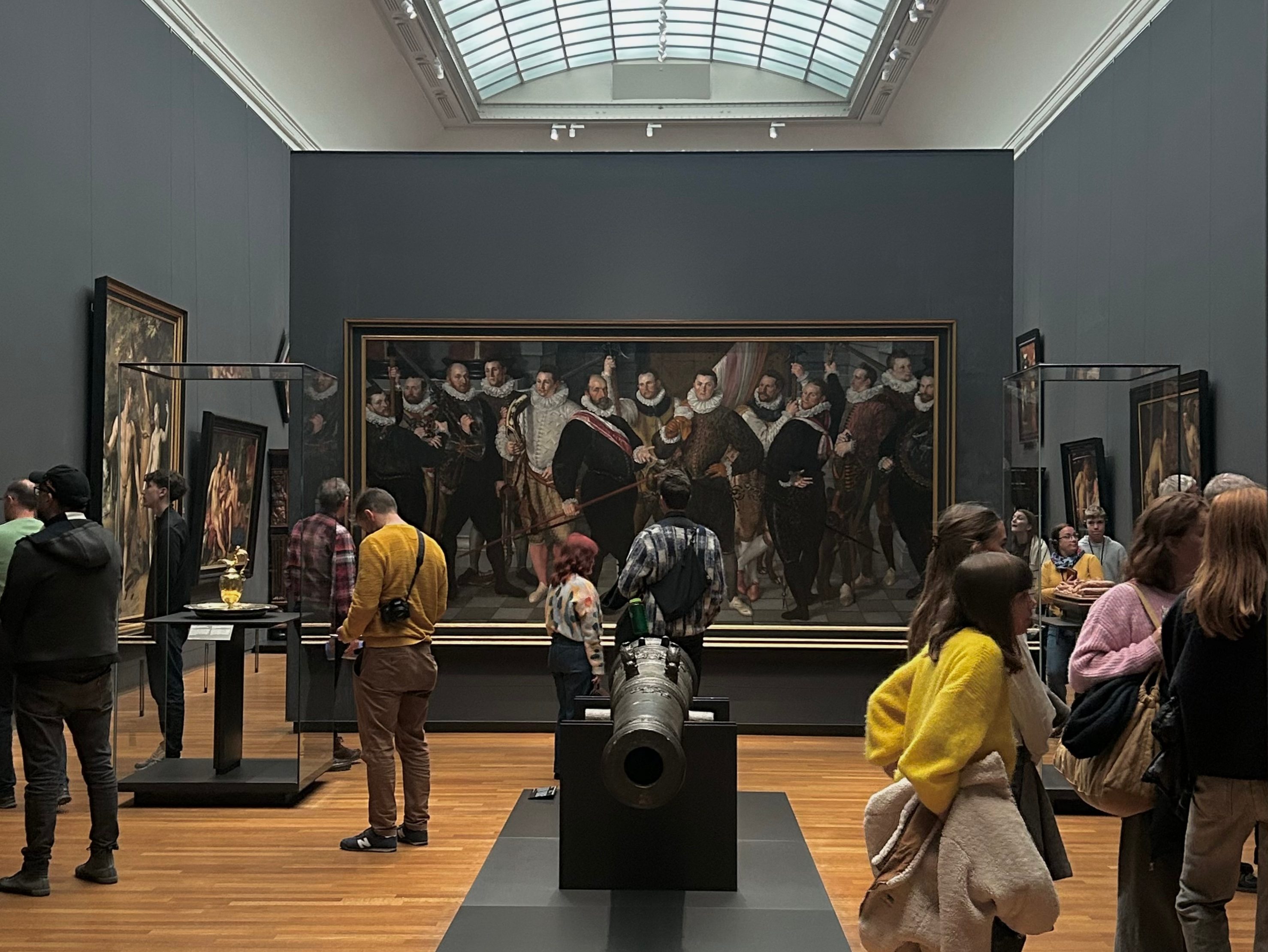
    In the Rijksmuseum, tourists huddled around a vast glass wall where The Night Watch (1642) sat, tended to by an art restorer in an elaborate contraption that carried her to the very top right-hand corner of the massive painting. We watched as she methodically stared at the laptop in her lap and then back at the canvas, and I wondered when she might start doing something more interesting–like making an irreversible black mark, or turning around and saying, Did you know that Rembrandt was buried in an unmarked grave, because he was bankrupt, poor, and his work was suddenly unfashionable?

    Rembrandt van Rijn, The Night Watch, 1642, oil on canvas, 363 cm × 437 cm, Rijksmuseum, Amsterdam.

    I will spare you the history of another Amsterdam-dwelling artist with a familiar story of incomprehensible posthumous fame, but I couldn’t help being amused by the Van Gogh plushies in the Van Gogh Museum gift shop, complete with self-inflicted, bandaged ears. I was even more intrigued by a rogue Miffy masquerading as Van Gogh, paintbrush in hand.

    The inescapable trope of the tortured, canonical, white male artist bores many. This trip had me noticing something new in the powerful ubiquity of these figures–a cultural weight that now seems to operate on the same plane as a fictional, minimal, white bunny.

    While I like to think of myself as educated in matters of fine art, there is something alluring about Miffy memorabilia, which more or less amounts to two dots and a cross. Towards the end of our visit to Amsterdam, we even made the pilgrimage to Miffy’s birthplace: Utrecht, a town only a short train ride away. In the station bookshops, her face stared back from children’s paperbacks in half a dozen languages. She beamed from umbrellas in the rain. 

    It doesn’t stop there. In Tokyo, she occupied entire store floors; in London, she dangled on a passerby’s house keys. I began to imagine my own mark, however small, threading through the world in the same way. At the risk of sounding existential, the thought of the ripples we leave behind long after our passing was the loudest refrain of my time in Amsterdam. I blame the fact that I was knee-deep in my masters, trying to understand what it might mean to make art that may last for centuries.

    After the museum, we walked through the Jordaan and drank mint tea in a narrow café that smelled faintly of sugar and damp wool. We ate cheese fondue with a basket of bread cut into too-small cubes, dipping them again and again into the same pale pool. 

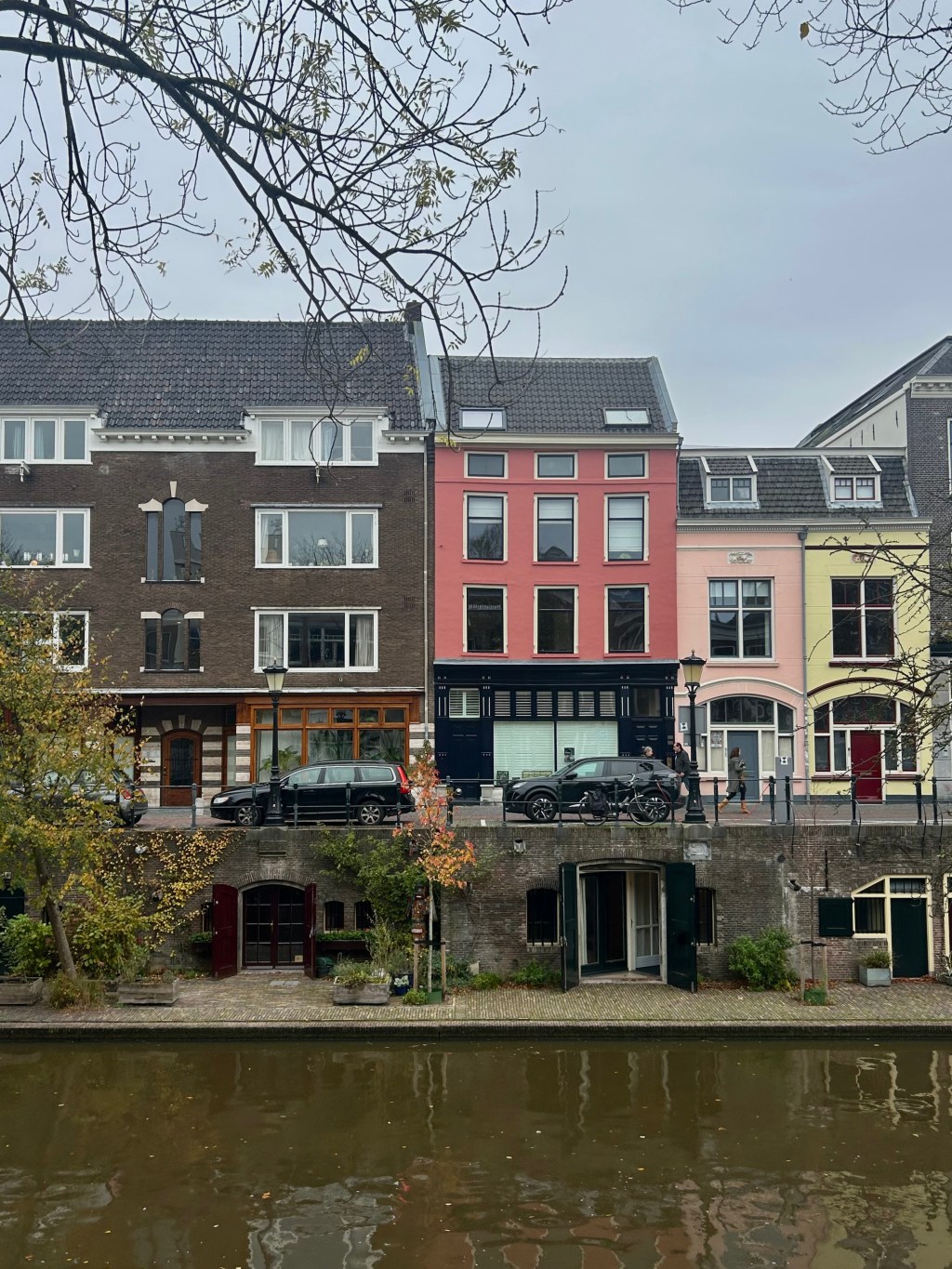
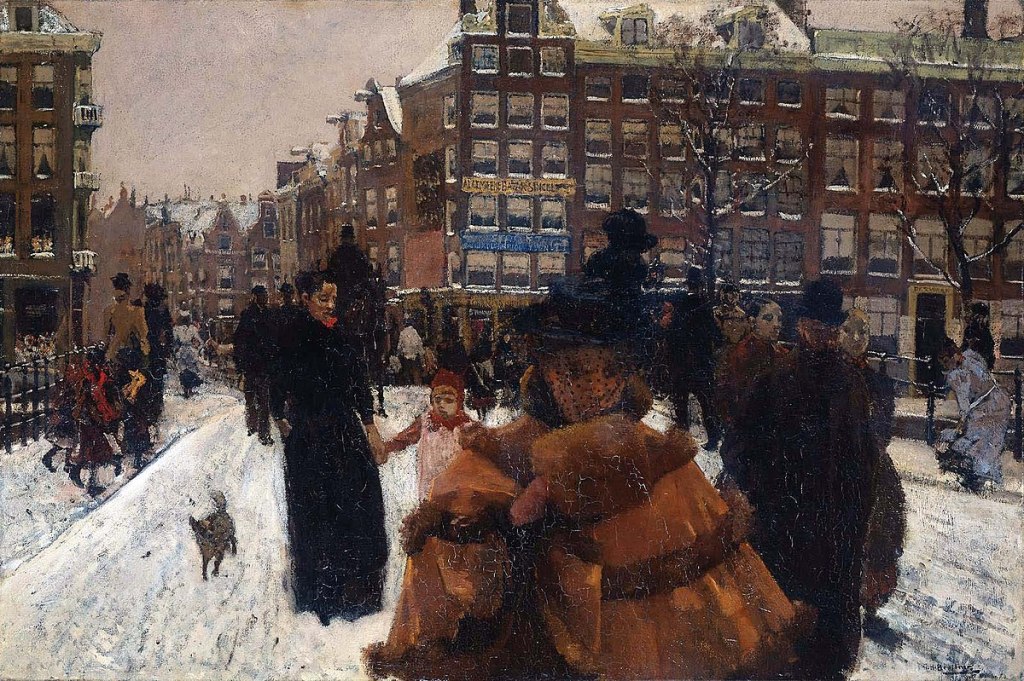
    Looking down into the narrow canal, I remembered the sterile audio guide from that morning that mentioned how Amsterdam’s canals were built in the 17th century. Almost immediately, The Singel Bridge at the Paleisstraat, Amsterdam (1898), which I had seen only an hour earlier, leapt into my mind: the timeless, anonymous figure in the foreground, the impressionist rendering of Amsterdam’s iconic narrow buildings.

    George Hendrik Breitner, The Singel Bridge at the Paleisstraat, Amsterdam (1898), oil on canvas, 41 cm × 60 cm, Private Collection.

    Now the same scene sat in front of me in real time. An Amazon delivery truck whizzed past. A mother cycled by on her bakfeitsen (cargo bike), children settled in the front. A woman opened her comically narrow, tilted window to light a cigarette, dusting the ashes into the water below. Like other cities with long, layered histories, Amsterdam revealed itself as a living archive–where past and present do not replace one another, but coexist, with the promise of some form of immortality lingering in the air. 

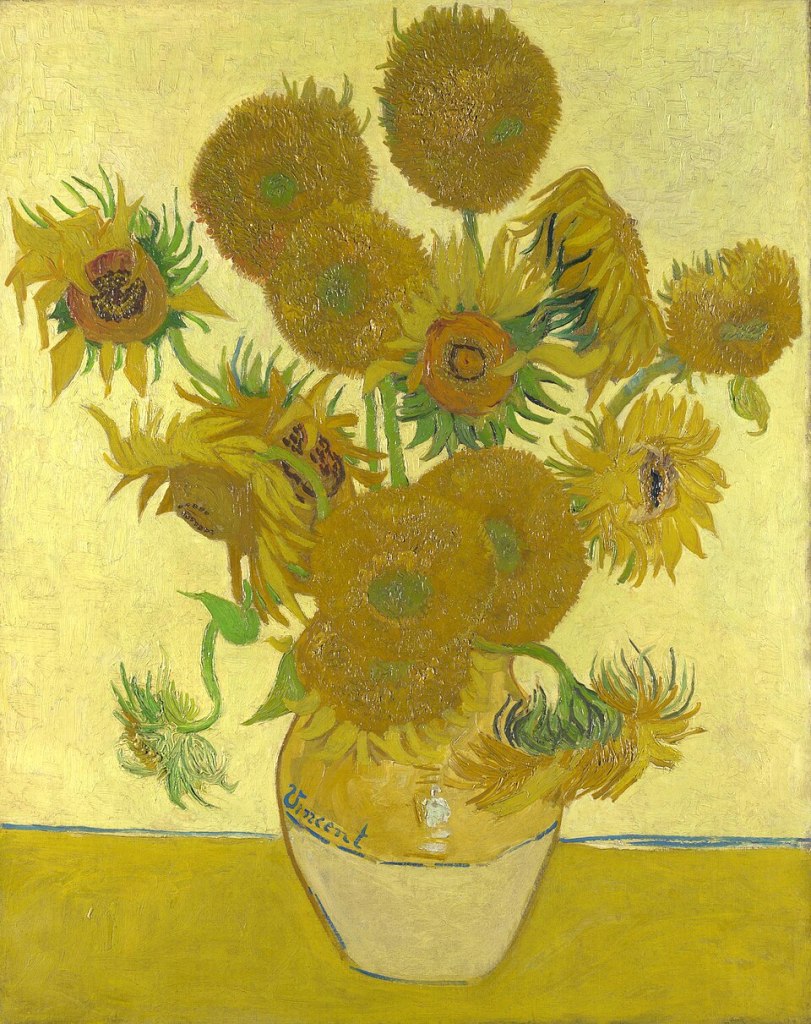
    Rembrandt’s light draped over tram lines. Renaissance-period canals accompanied cars and coffee cups printed with two dots and crosses, and Van Gogh’s Sunflowers (1888) reappeared on tote bags slung over passing shoulders. Everything endured at once, and everything kept moving.

    Vincent van Gogh, Sunflowers, 1888, oil on canvas, 92.1 cm × 73 cm, Van Gogh Museum, Amsterdam.

  • A Disquisition on Innocence: Dilara Findikoglu’s Cage of Innocence Collection

    A Disquisition on Innocence: Dilara Findikoglu’s Cage of Innocence Collection

    This article contains themes and discussion of sexual assault.

    You are thirteen years old, walking towards the creek at the end of your street.


    Small pieces of rubble from the middle of the road come loose and disperse under the tires of a passing car. The metal rims scintillate under the last afternoon light.


    The grass bubbles from the pulse of the creek bed. You take your shoes off. The crickets are singing, the stream rumbles softly, the wet ground vibrates with the hum and bustle of insects between your toes.


    In the reflections of the ripples, browns and mossy greens blur like paint stripes. A reddish leaf is pulled along by a string of currents. The leaf floats across the reflection of your cheeks, the current dragging the edges of your face.


    The ripples flash a warm yellow as the street lights flicker on behind you. Time to go home.


    Later you would come to realise that this was the last time you visited the bank of that creek, and as a result, that curious, innocent version of you would be imprisoned behind those tides irredeemably.


    We all have a version of that creek – a hidden ghost of our former selves, entrapped within the blissful ignorance of a time prior to knowing what we know now. Dilara Findikoglu’s SS26 Runway, Cage of Innocence, is an exploration of the treacherous plight back to that place.

    Emerging from a conservative upbringing, Findikoglu has
    pioneered her fashion house as a tool to deconstruct patriarchal confines, as much as a gothic dreamworld filled with visions of escapism and symbols of the occult.


    Born in Istanbul, Findikoglu moved to London at the age of nineteen to study fashion design at Central Saint Martins. Her looks became associated with outcasted crowds after she staged an unauthorised ‘guerilla’ collection to showcase her graduate thesis as well as other student collections who didn’t make the official press show. Even as Findikoglu transitioned into a mainstream designer, her fearless handling of ‘otherness’ has become a signature trait of her work:


    “In Islam, they tell you about an unknown world, the world of spirits – they’re called jinn in Arabic – and these creatures that live in other dimensions. I was scared of this world but, at the same time, felt close to it. I used to wish I was psychic so I could discover more about it.”
    (Another Man)

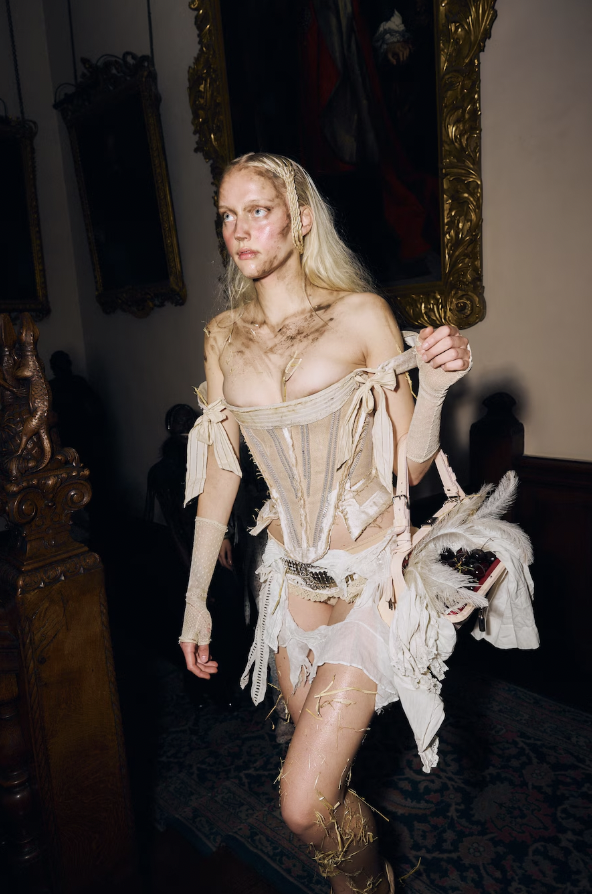
    Each look in Findikoglu’s runway is a disquisition on how innocence moves with us as we emerge as women. In the beginning of the show, models appear shaky and disheveled, with mud smeared up their legs and branches entangled in their wild, teased hair.

    Unkemptness and disarray transition into something much more structured as the show progresses, with hair falling smooth and tightly braided, and flowy ripped fabrics transitioning into stiff boned leather. ‘Cages’ appear in metaphorical forms – chainmail ornaments are applied directly to the face as an armour shielding the eyes and cheeks. Necklines reach high to choke its models. Latex gloves and tubed silhouettes tighten and constrict the form.

    In one look, Findikoglu gives her model a horsebit buckle headpiece. This look in particular achieves a certain ‘shock value’ – the ‘cage’ becomes so literal here it almost mimics some kind of torture device. As confronting as it is designed to be, Findikoglu never allows us to fall out of the underlying narrative, each garment flowing into the next as designs pulsate between constriction and release.

    It’s hard to express the specific and complex relationship women have with innocence, yet Findikoglu’s looks imitate it well. For young girls, childlike innocence is extremely precarious. In Australia it is estimated that females are twice as likely to have experienced child sexual abuse than males. That’s more than 1 in 3 girls who are robbed of their childhoods – the most liberating, untainted time of their lives. Those who do not fall victim to CSA are not exempt from falling victim to other predatory behaviours delivered predominately at the hands of men, throughout the rest of their lives. Think of every time you’ve been catcalled, stared at, followed, sent unwanted explicit messages. Would it be too provocative of me to assume that inside every women is a fundamental belief that she is unsafe in this world?


    The hand that so unjustly takes innocence away from young girls, is often the same that places unrealistic expectations of purity upon adult women. The concept of ‘purity’ is so deeply engrained in the metrics of what is deemed ‘attractive’, or even ‘acceptable’ within society, a ticket to extend your desirability long past your use-by date of 30. How many men’s skincare brands can you think of that make products to reduce the appearance of wrinkles by 20 years? ‘Skinny’ is back, but only for women. Is the recent Ozempic Pandemic a pursuit of appearing young and waiflike rather than managing health? Why is it that the idea of men’s body hair is innocuous, yet having a bush is a ‘political statement’?

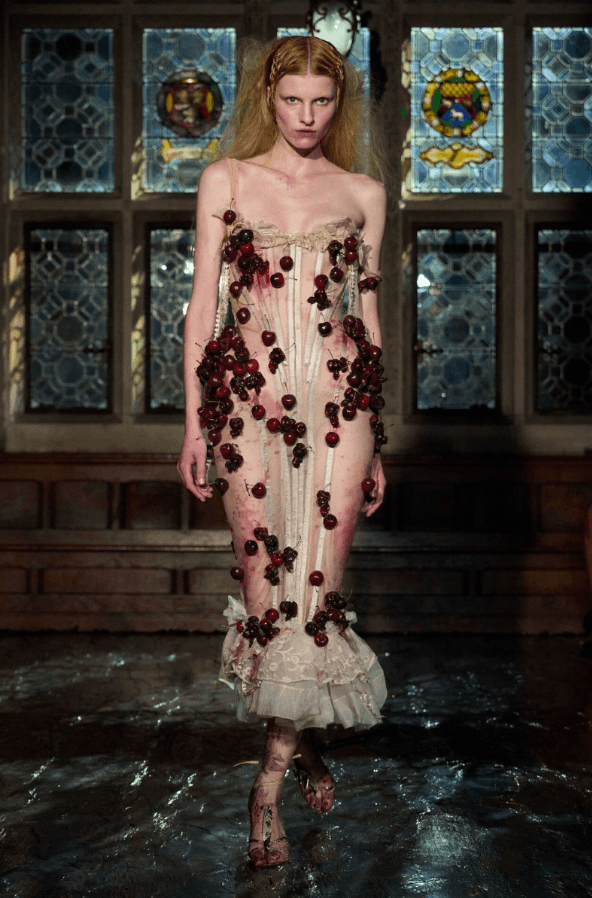
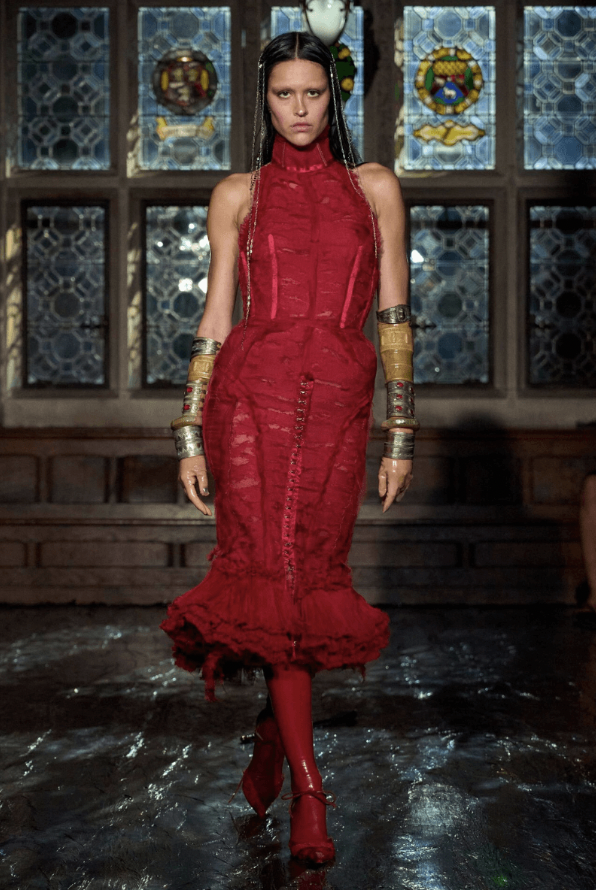
    Findikoglu’s collection explores the effect that the control of female innocence has on women’s relationships with themselves, and with each other. On the runway, she presents the idea of ‘innocence’ and the idea of the ‘cage’ within the same equal plane. The looks speak to each other – for example, the cherries used to stain a corseted ivory tube dress are echoed in another look where cherries and feathers spill out of a handbag. In the latter look, the model also wears a corseted dress, however this one appears tightly tied at her shoulders. Her hair is braided like a rope, her eyes are wide and mud is smeared across her forehead giving her a ‘hunted’ appearance. In a third monochromatic red look, the girl is ‘contained’- her extremities are bound in latex gloves and socks, her arms are cuffed to the elbows with metal bangles, and her dress conceals her body from her neck to her ankles, with metal stitching running down between the legs.

    The communication between her designs was not unintentional – in an interview with 032C Magazine, Findikoglu shares her deliberate use of red in her clothes:


    “I love the colour red because, when I was graduating, I had the sense that red was my personality. It has so many tones, and it is so difficult to get the right one. And it can mean so many things. It can mean love, passion, fearlessness. It is so bold, so out there. If you’re wearing red, it’s difficult to hide. I just want it to be heard and seen. It’s not a mid-tone. It’s red. It’s not black, and it is not white. It’s also the colour of blood—it’s quite crazy. When it’s
    diluted it becomes pink and cute.”


    Findikoglu marries red tones despite their contrasting playful and restrictive contexts. By changing the opacity of colour within a look – be it diluted cherry stains or head to toe striking red -Findikoglu builds a sense of power and reclamation. She wants both voices – the hunted girl with sticks in her hair and cherry juice across her legs, and the caged woman with a sleek silhouette and smooth straight hair, to be equally seen. In fact, both women are one and the same, just expressed differently. Findikoglu illustrates that our child self is always living inside of us- their red passion, and fearless thirst for life remains internally unbounded despite how constricted by social pressures we may
    become.


    In this runway, Findikoglu takes us back to that creek bed at the end of the street. We can feel the textures of wild nature, yet perceive it through an older, more contained lens. It’s like looking at innocence from the other side of time, from within the cage. Yet, it is in the way the garments accentuate the female form, the way that the models gaze with steadfast assurance, the walks that transition from shaky to strong, that indicates to me a certain power in femininity. Perhaps a knowledge that our innocence is sacred, and the fierceness we possessed as girls is our compass into womanhood.

    @dilariafindikoglu on Instagram.

    Words by Lola Haylock. @the.divine.archive

  • TSM’s 2025 Last Minute Gift Guide

    TSM’s 2025 Last Minute Gift Guide

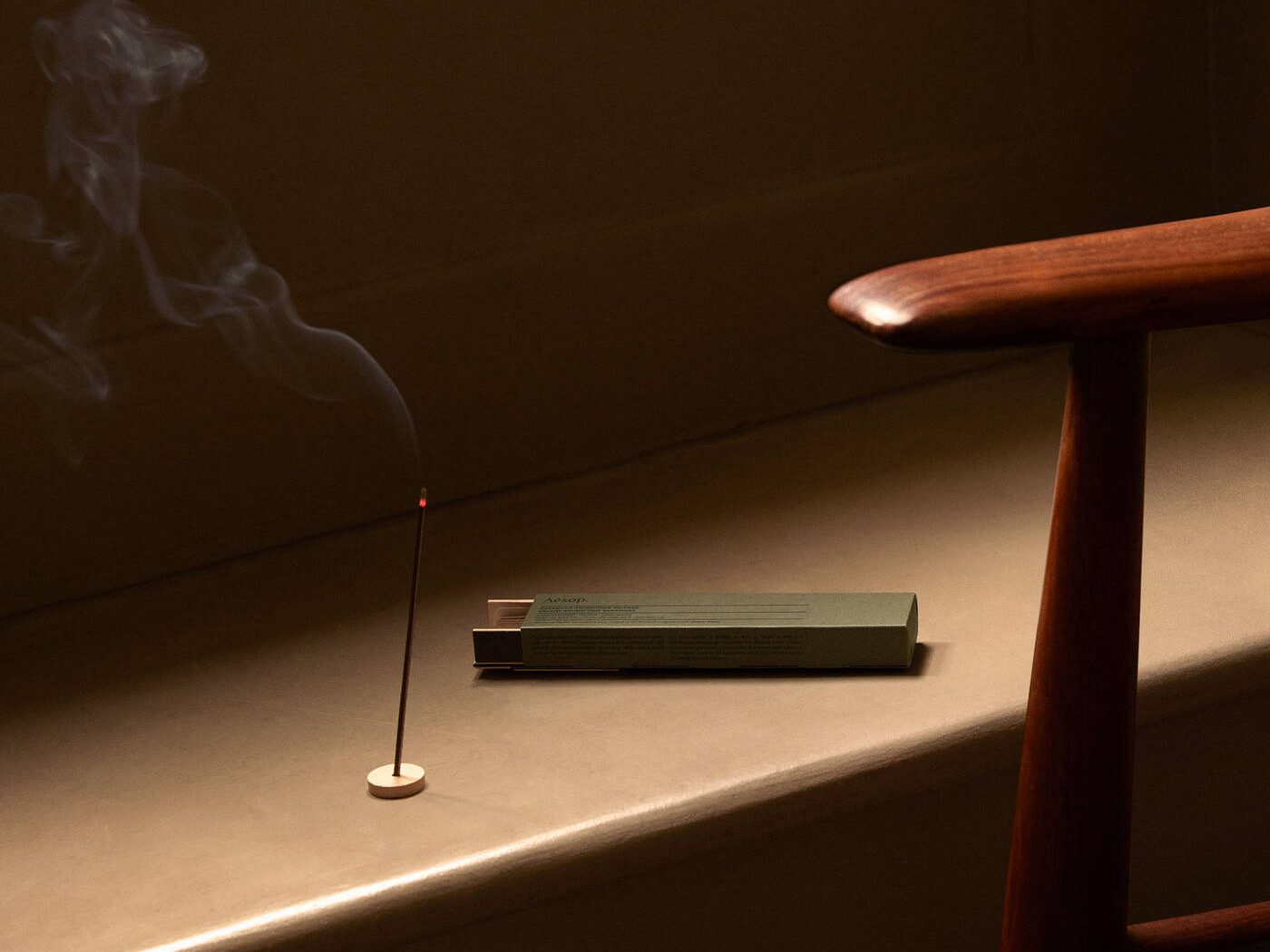
    Aesop Kagerou Aromatique Incense

    Presented in Aesop’s signature sleek packaging, the Kagerou incense releases a soft, woodsy scent anchored by vetiver, igusa, and sandalwood. Designed to subtly shift the mood of a space, each set includes a Kanuma pumice holder that naturally dissolves in water once used.

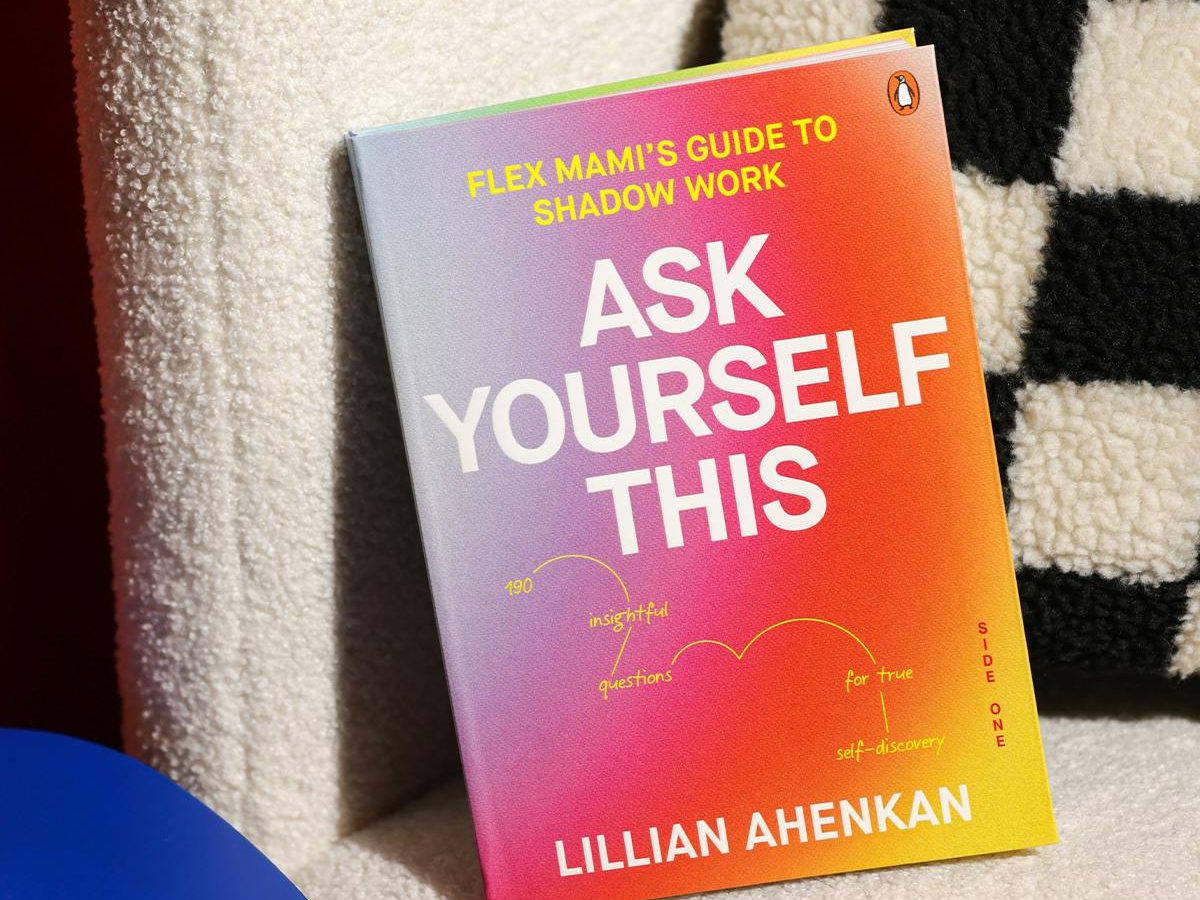
    Ask Yourself This By Lillian Ahenkan

    This guided journal features 190 thought-provoking prompts designed to encourage reflection, clarity, and self-discovery. Written in FlexMami’s unmistakable voice, it transforms inner work into an engaging and accessible daily practice.

    Cleonie Sculpture Maillot Swimsuit

    Aussie brand Cleonie’s take on the one-shouldered swimsuit is incredibly flattering and timeless. We especially love the option to request more or less coverage, depending on personal taste.

    Ela & Earth Insulated Water Bottle

    The kind of everyday bottle you end up carrying everywhere–practical, stylish, and easy to love. An added bonus is that it comes in a range of unique colourways.

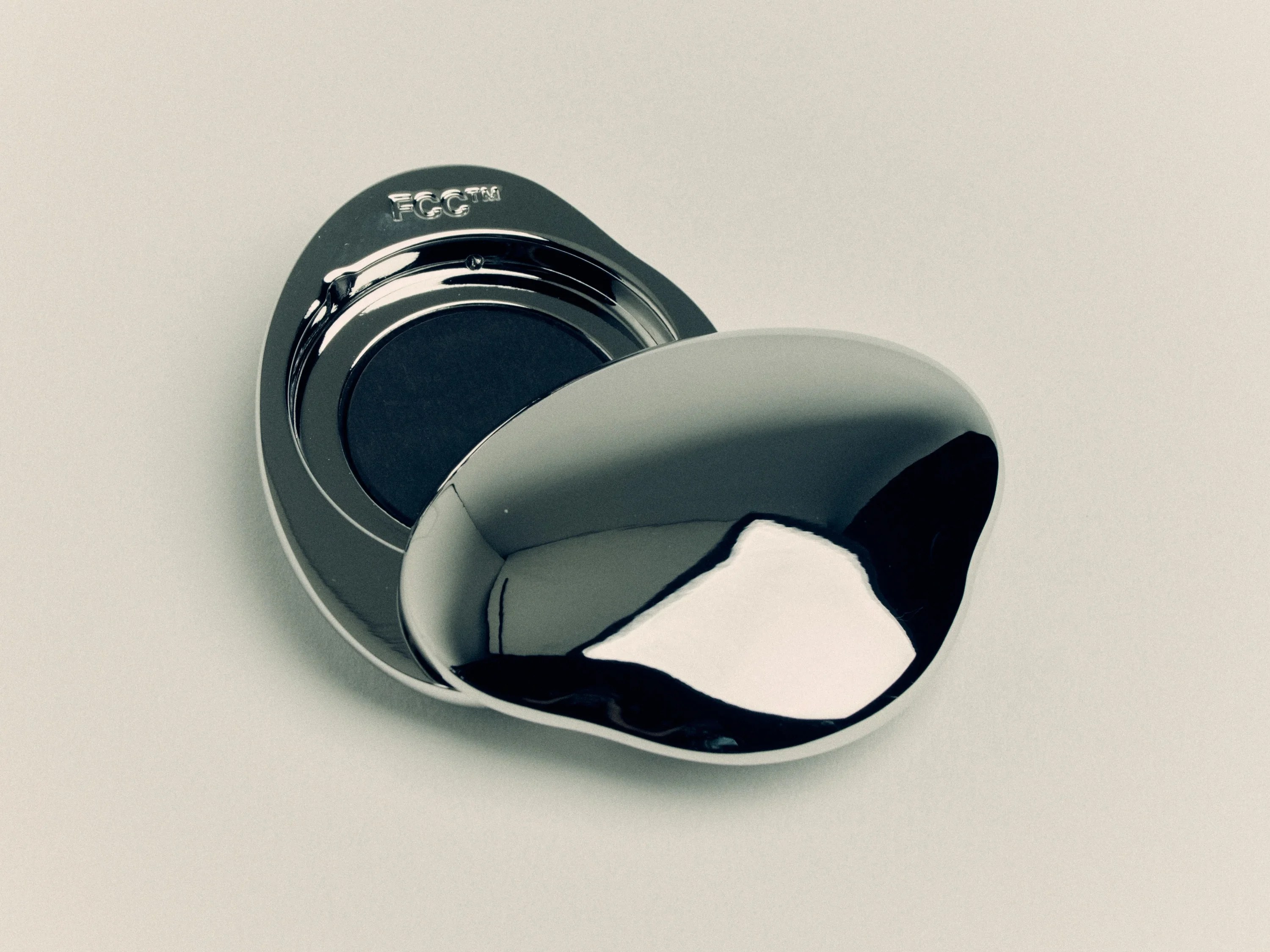
    Fluff Refillable Cream Blush

    This cream blush, in Flulff’s signature Cloud Compact, offers a natural, dewy flush in shades designed to flatter every complexion. Refillable and made with nourishing, plant-derived ingredients, it blends beautifully and can double as a subtle wash of lip colour.

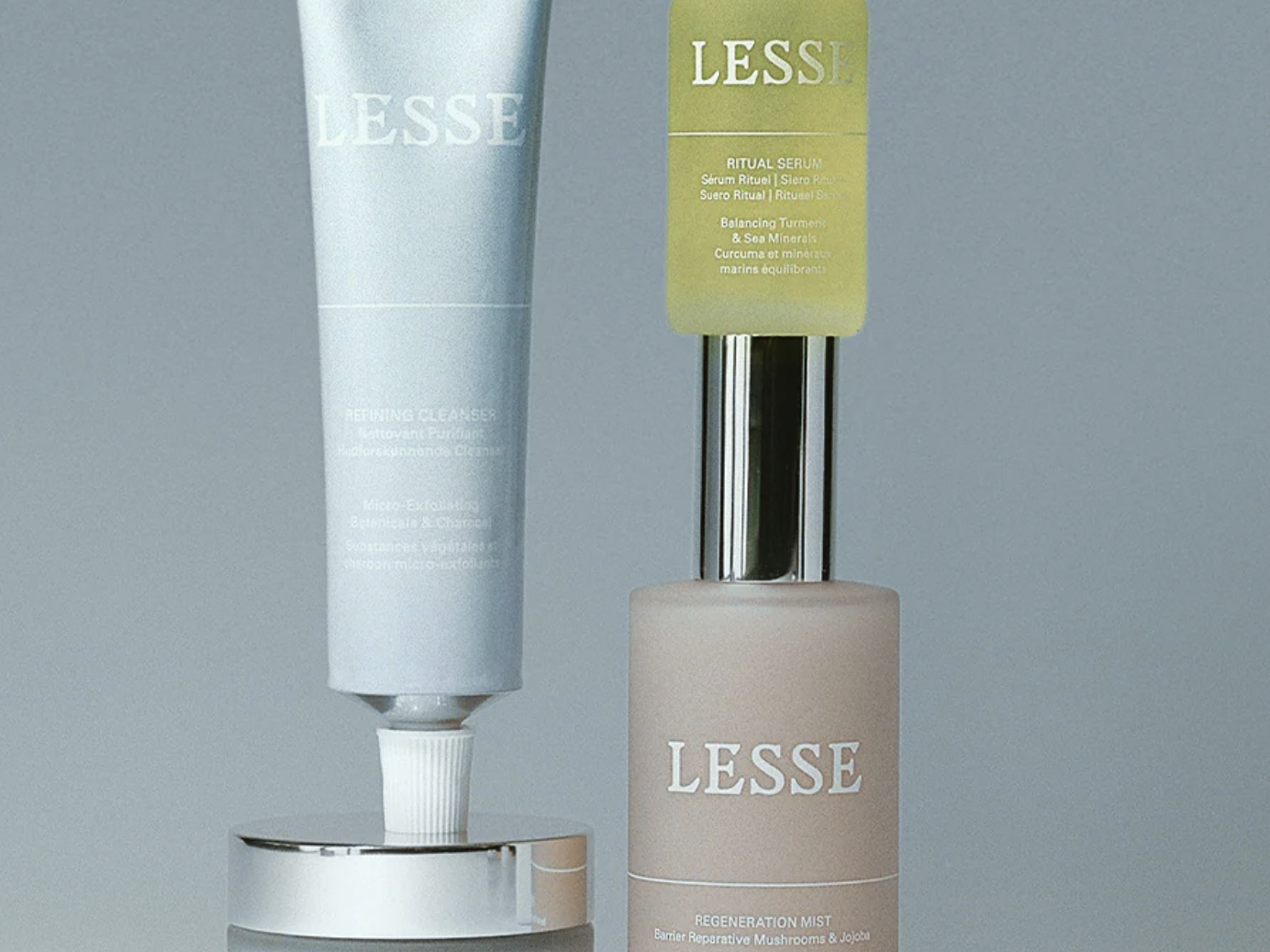
    LESSE Foundational Skincare Set

    A clean, thoughtfully considered skincare set designed to suit all skin types, featuring distinctive ingredients such as medicinal botanicals and mushrooms. The set includes a cleanser, mist, serum, and mask.

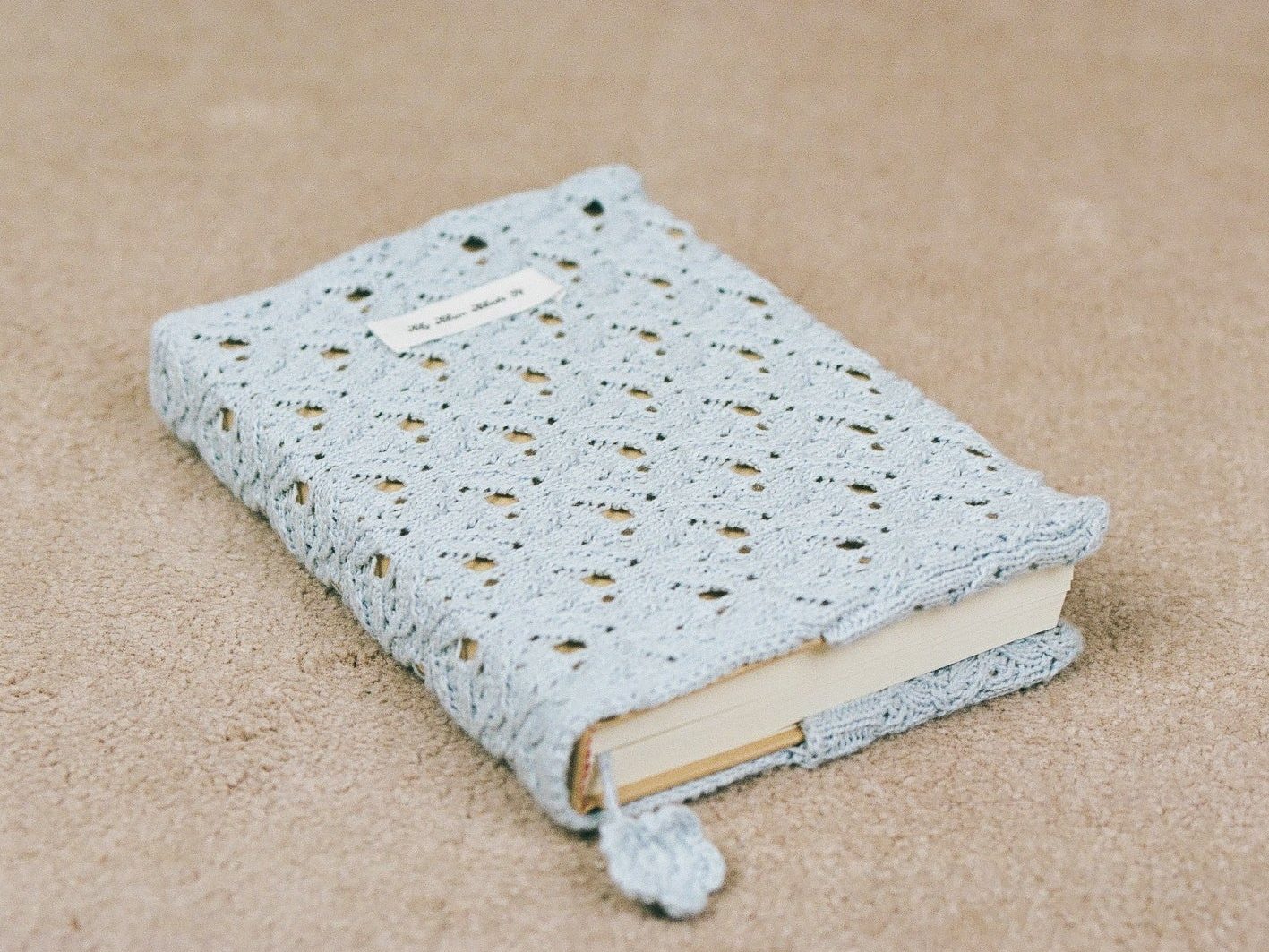
    My Mum Made It Crochet Notebook Cover

    Made from 100% organic cotton yarn, this handcrafted cover wraps a standard A5 diary in delicate crochet and includes a matching floral bookmark. Thoughtful and sentimental, it’s the perfect companion for new-year planning and reflection.

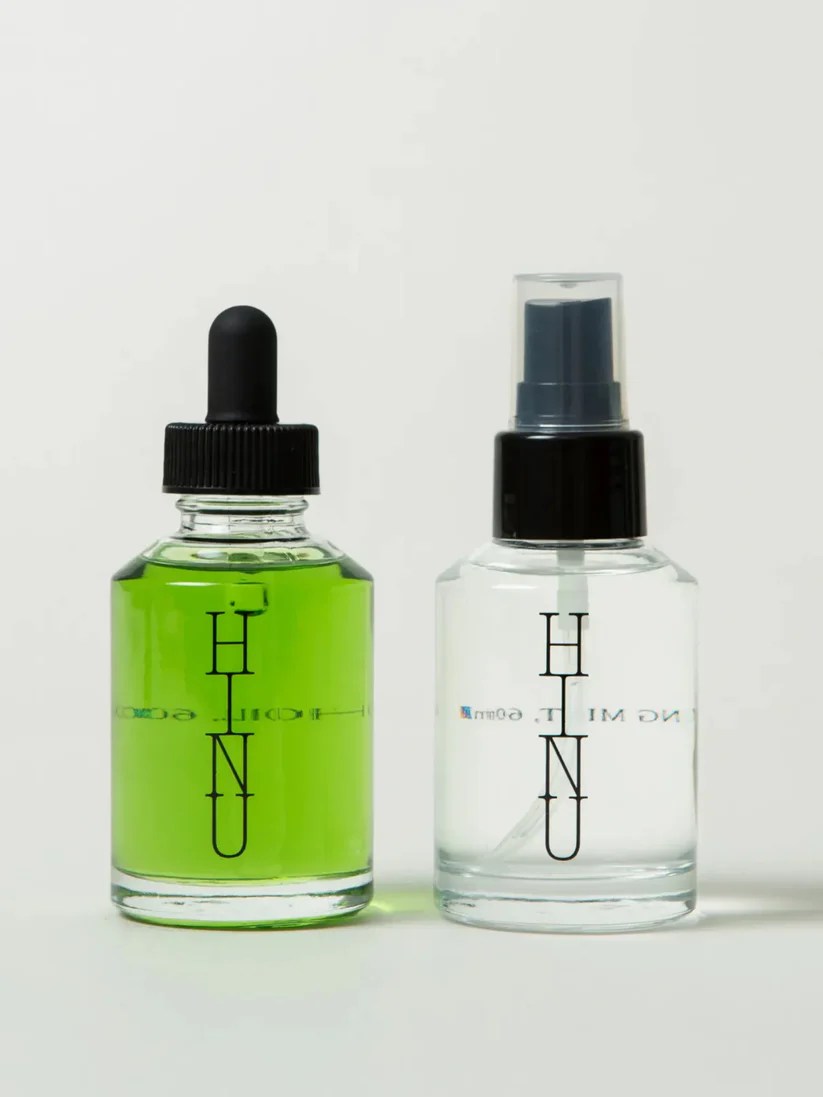
    Hinu Essential Duo

    This essential duo pairs a nourishing botanical hair growth oil with a lightweight hydrating mist. Made with high-quality, plant-derived and organic ingredients including rosemary, green tea, aloe, and argan oil, the formulas help support circulation, nourish the scalp, and leave hair softer and shinier–without the harsh chemicals.

    St. Agni 90s Belt Bag

    Everybody needs a staple, everyday bag. This nineties-inspired, minimalist design is made from 100% leather and comes in a rich, on-trend mahogany. It can be worn as a shoulder bag or a clutch.

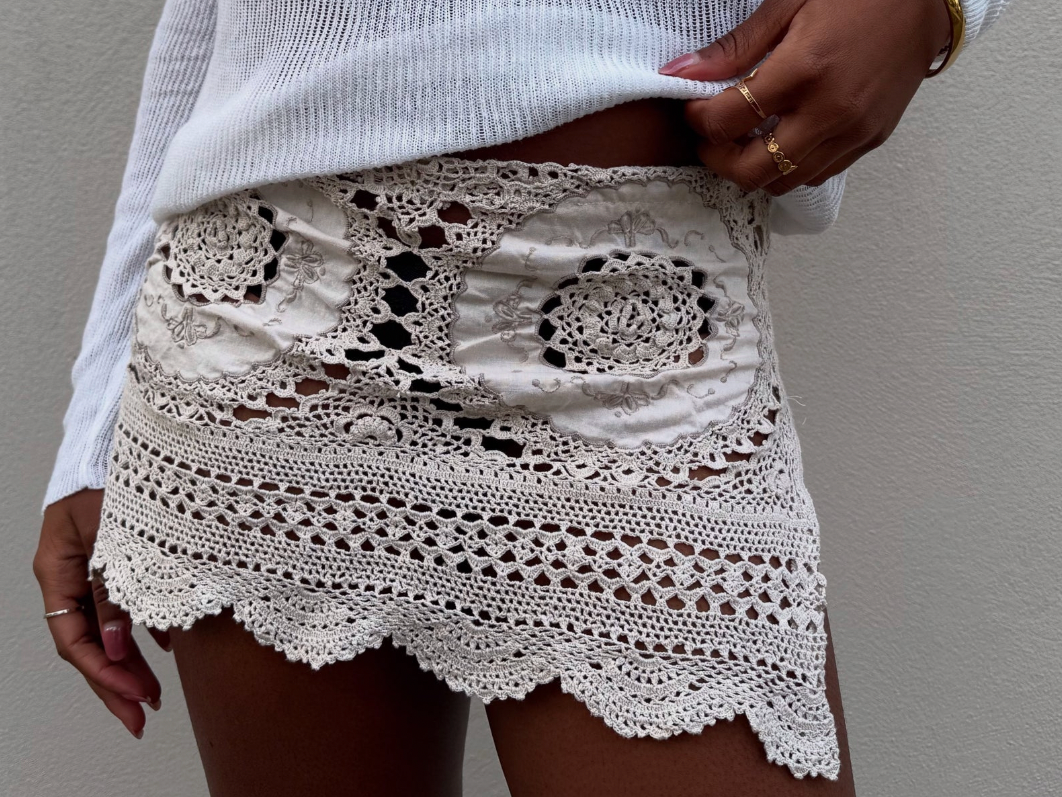
    Tehan Threads Mini Skirt 

    Melbourne-born Tehan Threads transforms deadstock and vintage fabrics into doily and lace inspired statement pieces, creating wardrobe staples that are as timeless as they are conscious. Each piece is a forever item that blends fashion with sustainability. Love your work, @alicetehan.

  • Finding My Rhythm in Barcelona 

    Finding My Rhythm in Barcelona 

    The moment I stepped out of the airport, Barcelona greeted me with a wave of warmth that felt oddly familiar. The air was thick and golden, humming with that same heavy humidity I know from Queensland summers. It clung to my skin, alive with salt and sunlight, an embrace that whispered, you’ve been here before, just in another hemisphere. 

    I arrived with my usual sense of morning purpose, the kind that likes an early start, an early finish, and the quiet order of daylight hours. But Barcelona doesn’t live by that rhythm. It moves differently. The mornings are unhurried, afternoons dissolve into languid pauses, and the nights, well, the nights belong entirely to the city. At first, I found myself fighting its tempo, bleary-eyed as dinner stretched past ten, conversations drifted lazily towards midnight and ‘early to bed’ was unthinkable. 

    At first, I fought it. My eyes stung past midnight, my internal clock protesting every late-night conversation and slow breakfast. But there’s something contagious about the rhythm of Barcelona, the unapologetic indulgence in rest, in connection, in life at its own pace. Somewhere between the second evening of tapas and my first siesta, I stopped resisting. I didn’t just adapt; I surrendered. And, somehow, it felt right. What began as a curiosity quickly became a revelation. The city wasn’t lazy, it was balanced. 

    My hotel room was modest and unassuming, in the heart of La Rambla. It was noisy, chaotic, beautiful. But my room held one extraordinary secret: a small terrace balcony that opened like a private stage over the city. When I looked straight ahead, the rooftops of Barcelona stretched in a terracotta mosaic toward the horizon: church spires and bell towers punctuating the skyline. When I looked down, La Rambla pulsed below, alive with its daily theatre of movement and sound: street performers, bustling bars and restaurants, the laughter of tourists and locals mingling in the same sunlit stream. 

    It became my favourite place in the world to sit, that little balcony. Somewhere between serenity and chaos, between being in the city and observing it. 

    What struck me most about Barcelona, though, wasn’t just its beauty or history, but its people. They are, without exception, genuine, grounded, and welcoming. Conversations came easily, smiles were unguarded, and help, in the form of restaurant recommendations or a nod of understanding, was always offered with warmth. There’s an authenticity there, a quiet pride in living well rather than merely living fast. 

    Of all the places I explored, the Picasso Museum remains my most cherished memory. Tucked within the narrow streets of El Born, it feels more like an intimate conversation with the artist than a gallery. The progression of his work, from the delicate lines of his youth to the bold experimentation of his later years, is deeply moving. Standing there,

    surrounded by the essence of a genius who once walked those same streets, I felt an unexpected stillness, a connection to the pulse of creativity that defines Barcelona itself. 

    By the time I left, I realised the city had changed me in subtle ways. What I’d found there wasn’t just a destination, it was a rhythm. A way of living that celebrates both energy and rest, both art and authenticity. I arrived a morning person, disciplined by habit; I left sun-kissed, sleep-deprived, and completely enchanted. A morning person who, for a fleeting moment, learned the joy of late nights and long, lazy afternoons. 

    Barcelona taught me that life doesn’t always need to move quickly to feel full. 

    It’s a city that doesn’t rush to impress you; it invites you to linger, to feel, and to breathe with it. And once you do, you carry its rhythm with you—long after you’ve gone.