• The Greek Kafenio

    The Greek Kafenio

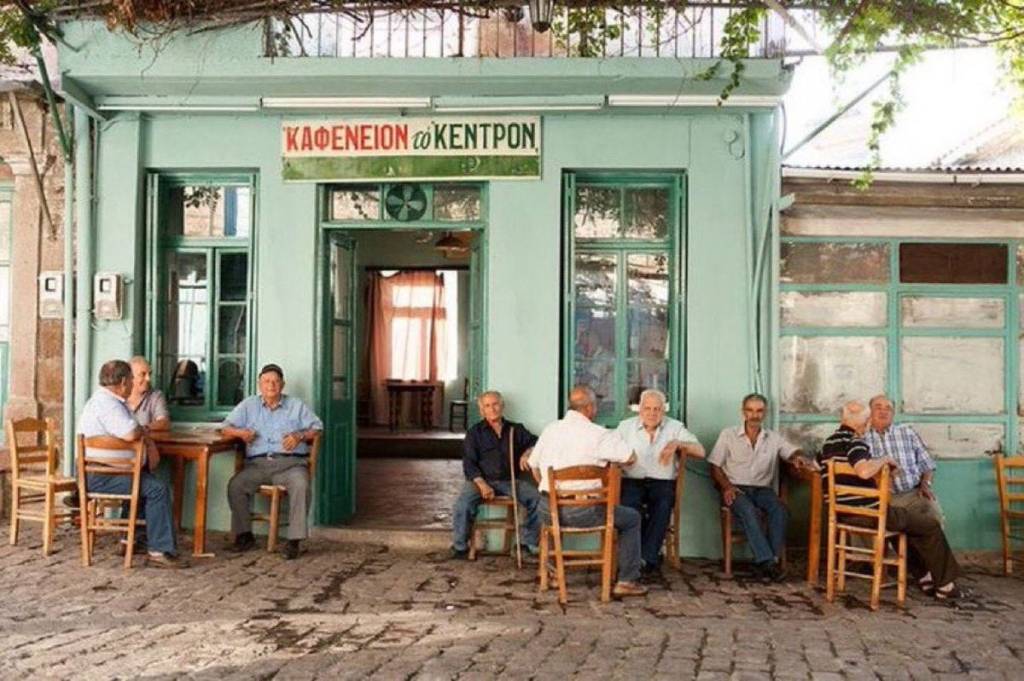
    Perched beneath a sea of casuarinas outside the kafenio, the old boys are onto their second or third elliniko kafe. Dressed in their weekday-uniform of plaid shirts with the top buttons undone, they’ve ditched their Lowes windbreakers for the season. Adorned now in their weathered golf caps, they relay the town’s gossip in their village tongue.

    Most of the time, they’re too engrossed in mindless conversation to notice anyone beyond their bubble. A circle of friends hanging out through time, a third space where they can meet without reservation.

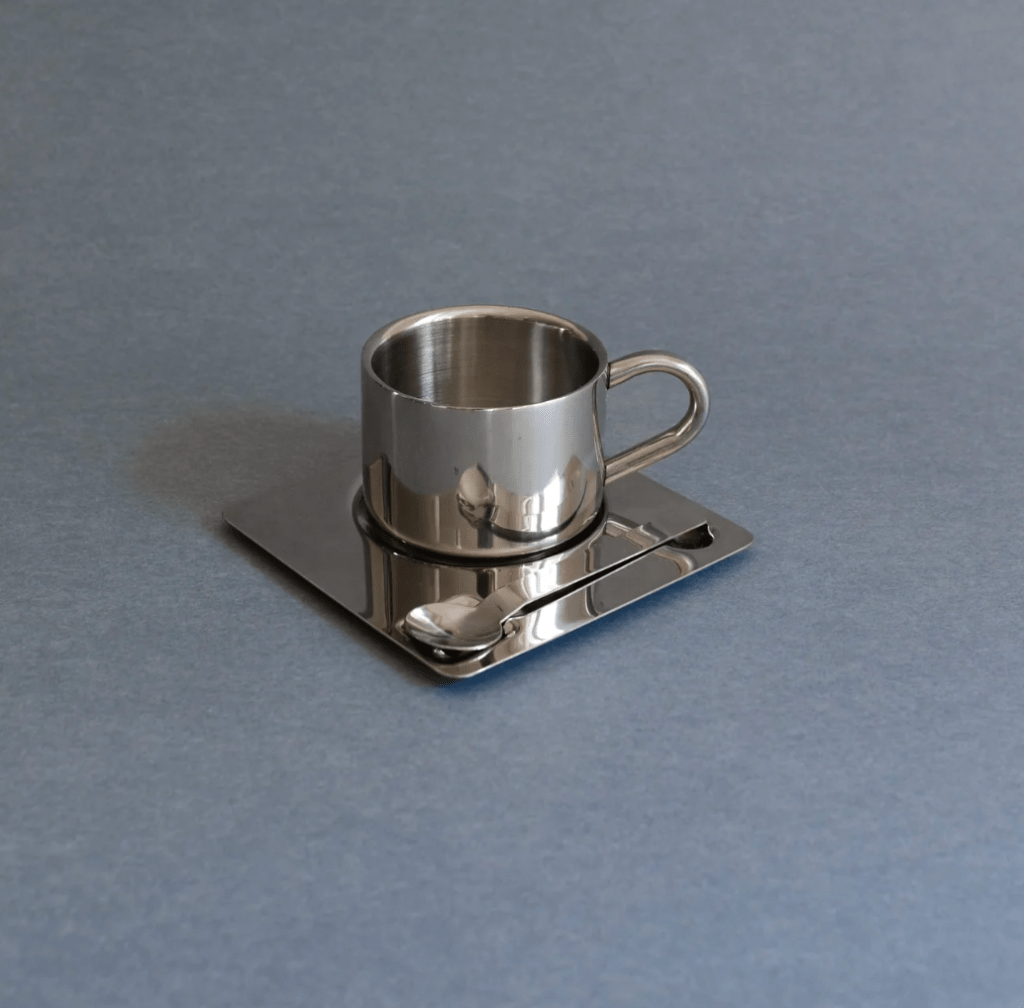
    A traditional kafenio can be found in every Greek town, village, island and city. It’s not your quintessential café by any means, but rather a hub for conversation, a place to gather, and a way of life. During the waves of Italian and Greek migration to Australia in the 1960s, cafes, takeaways, and taverns quickly popped up around thriving city hotspots, providing spaces to build community and recreate a sense of home thousands of kilometres from their roots.

    For the diaspora, the kafenio acts as a parallel homeland, primarily serving older generations while preserving language, traditions, and cultural memory. It provides a space where stories from Greece are kept alive, creating continuity for those far from home.

    While gatherings of older generations at a café aren’t unique to Greek culture—these customs of unstructured togetherness are evaporating at a rapid rate.

    In big cities around Australia, the space between the personal and the public feels thinner. Beyond Europe’s piazzas and village squares, these casual corners of community—the spaces to linger without purpose—are becoming harder to find.

    There’s always a murmuring of ‘where to next,’ or the night abruptly ending just as it begins. At times, it feels as though connection has become transactional, a checklist item, rather than intentional: something that lies at the very core of our human nature. After all, most of our best memories, or even our misfortunes, unfold in the spaces between life’s scheduled moments.

    Greek kafenio culture, to me, stands as one of the last strong effigies of the 1960s migration—a living relic of what was once a hub for building community abroad. Within these spaces, motifs of my childhood form a blanket of comfort whenever I find myself passing through these suburbs, still untouched by gentrification, with a patriotism so palpable it could be served on a plate: evil eye shrines, iconography with scripture of orthodoxy, sepia-toned portraits of Greek football teams.

    In an age where such microcosms are vanishing, the kafenio remains both a sanctuary and a testament to a diaspora’s enduring spirit.

    And yet, for all this utopic vision of community, the practice is dissolving as younger generations rarely take these seats. Our “third spaces” are mostly wellness centres and online platforms. The suburban kafenio, once the heart of Greek life, now survives mostly with its creators: Australia’s first Mediterranean migrants.

    As these spaces dwindle, I find myself reflecting on what it means to lose cultural memory to assimilation. I suppose the fading of these spaces—especially those tied to my cultural heritage—leaves me longing for a side of my Greek-Australian identity that feels distant, almost dreamlike, and perhaps like it never fully existed. I find myself escaping into memories of golden afternoons of big backyard BBQs, cards at my grandfather’s roundtable and wine shared with neighbours over the backyard fence. These intimate, unstructured gatherings were the heart and soul of the community and without them, I feel as though I’m clawing onto the last crumbs of my identity by yearning for the nostalgias of my childhood. (A yearning that, I fear, has hardened into a defining trait of my personality lol.)

    I often take pride in my rich cultural heritage, in how my family remains deeply rooted in Greek traditions—something that feels completely natural to me, but which others might see as unfamiliar or unique. Of course, I am first and foremost an Australian woman. But my connections to the motherland often pull my allegiances into two.

    It’s bittersweet to think that one day this generation will fade, and with it, perhaps the lived nuances of this dual connection to Greece and home. Yet the memories endure, and perhaps it is now up to me to pass them on.

  • The Commodification of Breakfast and the Rigid Compartmentalisation of Life (At Its Very Worst)

    The Commodification of Breakfast and the Rigid Compartmentalisation of Life (At Its Very Worst)

    It’s said that the word breakfast entered the English language during the Middle Ages, derived from the literal act of breaking the fast after a night’s sleep. These days, most people are typically eating between seven and nine in the morning. An assigned slot in your day: wake up—eat—work—eat—sleep—repeat.

    But it’s 2025, and we’re now carving our routines down to the minute. I’ve endured enough Get Ready With Me’s and fallen hostage to too many morning rituals to know how deranged these expectations have become.

    How many lunges can I realistically squeeze in without delaying my forty-second everything shower, followed by the lymphatic dry brushing of my lower abdomen because TikTok told me I have “PCOS belly”?

    Don’t get me wrong—I frothed these videos at first. Truthfully? I even took notes. I had an entire album saved. A shrine to these tyrannical, step-by-step guidelines on how to spend the first 72 minutes post-slumber—efficiently, and aesthetically, of course.

    But somewhere along the line I lost my mind.

    Because you know what the most deranged thing about a morning routine is?

    The fact that you could always be doing more.

    God forbid I forget to spend 5 mindful minutes alone with my thoughts. Or throw my hair back to massage a home-brewed blend of essential oils into my scalp. Or worse—forget to pat my ultra-rare Labubu on the forehead before disappearing out the door.

    Realistically, how much are we all doing here? I need all eight hours of the working day just to complete my morning routine. And then what? Do I unlock the lunch routine? Graduate to the evening unwind ritual? Someone hold me back.

    I’m not the first person to be outwardly repulsed by the performative psychomania of these viral videos. It’s the commodification of time that truly grates, though.

    This pressure to constantly optimize and schedule every waking moment. Existing as a human without the incessant need to curate your life, both on and offline, isn’t enough anymore.

    Most of us, at some point or another, have audibly cursed the man who invented the eight-hour workday (his name escapes me, and respectfully, I don’t care to look it up).

    And sure, if you’re a woman like me, you’ve probably heard the discourse that our bodies run on monthly cycles, not daily ones. Which is true. But that’s not the point.

    I’m not talking about gendered disconnects or the systemic biases that framework our society.

    Take Greece, for example.

    Relatives and friends still ask me what an authentic Greek breakfast entails. To this day, I still can’t say.

    Some Greeks tell me they sleep in late enough that their first meal isn’t until midday. Others swear that the jet-black, sketo elliniko kafe and the blazing sun are enough to propel them into the evening—where true living begins.

    Free from regimes, or routines. Or the neurotic need to curate every moment.

  • Third Space Talks: Misbah Shaikh

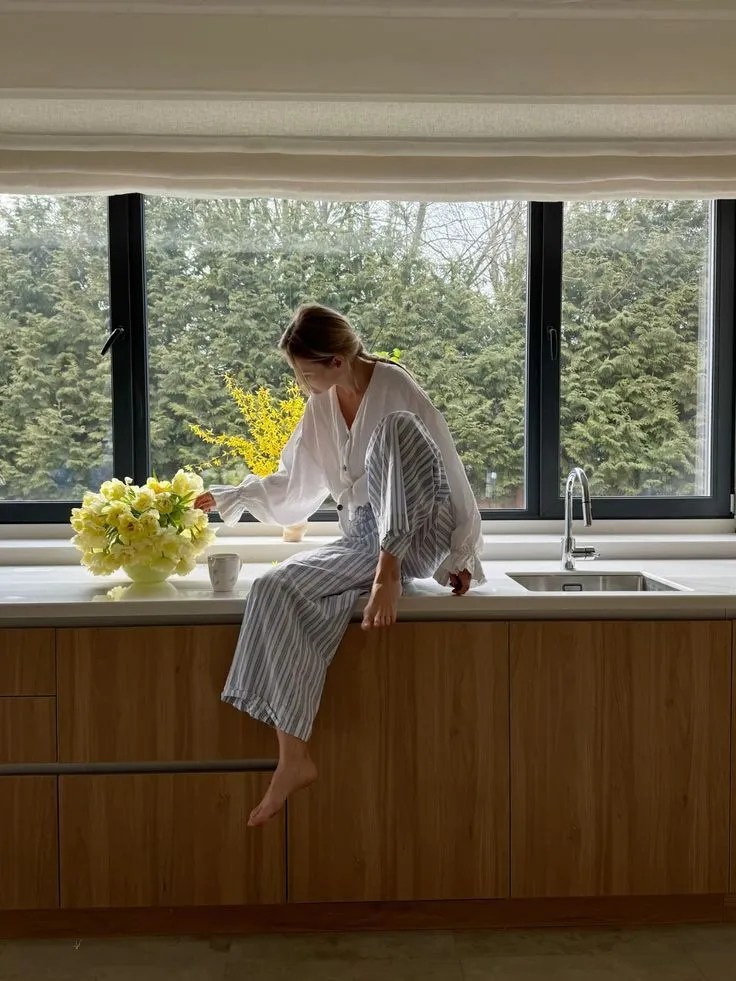
    Close friend and muse of Third Space, Misbah, shares her beauty secrets, childhood memories, and the tender reckonings that come with womanhood in your twenties.

    Tell us! How does it feel to be the debut voice for Everyday Muses?

    Hehehe I’m both nervous and honoured!

    What do you know now that you didn’t know a year ago?

    Look, it took me 26 years to get here but I’m finally learning to trust myself more.

    Where do you go—mentally, physically, or otherwise—when you need quiet?

    I picture myself back in my childhood bedroom looking out the window, watching the snow fall quietly at night with the street lights reflecting a dreamy orange glow.

    What does your “third space” look like?

    Mentally and physically I’ve found solace in prayer!

    What’s your earliest memory of watching someone you love get ready?

    I don’t know if she’ll like this answer, but my sister and I shared a room for most of our childhood, and she would draw on the thickest line of eyeliner EVERY MORNING in high school. I remember just sitting on my bed, watching her get ready.

    Is there a scent, product, or practice that makes you feel most like yourself?

    I know everyone and their mother raves about Glossier You, but it genuinely is my holy grail scent! And always, L’Oréal Telescopic Mascara.

    What’s one beauty ritual you return to when everything feels a little off?

    Doing my eyebrows always resets it for me.

    We live for your sporadic fit checks on IG. What’s the secret to building an outfit that’s both chic and practical in Sydney’s unrelenting winter?

    Layering with Uniqlo HeatTech has been a saviour! Also: chunky knits and dark denim—I feel like I’m Rory Gilmore. Sydney’s winter is all over the place, so being able to layer is essential.

    What’s one piece that’s on your current rotation at the moment?

    My oversized black coat and black knit maxi skirt are worn at least once a week! A staple in my winter wardrobe.

    How does your culture influence what you wear?

    Ah, this is such a good question! I think when I was younger, I’d shy away from my culture, but as I grew up, I began to appreciate it a lot more! Now I’d say it influences every aspect of my life, including what I wear—I love me some modest fashion, which is a lot easier to hone into with current fashion trends. Also, a dupatta is not a Scandinavian scarf!!!

  • Beginner’s Modesty: Bathing Like No One’s Watching

    Beginner’s Modesty: Bathing Like No One’s Watching

    It’s uncharacteristically chilly for the first few days of Japan’s green season. Enduring downpours feed the canopy around us and a low-hanging cloud hovers over our mountain abode.

    So much for my summer vacation.

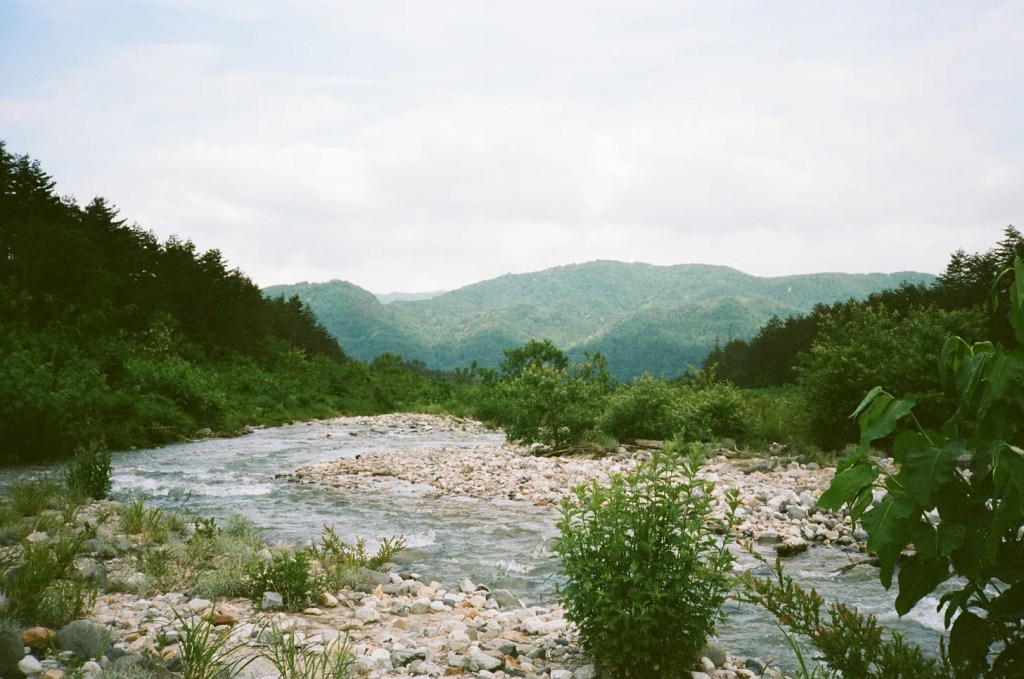
    Quickly, our days fall into a rhythm: drip-brewed coffee from a hole-in-the-wall cafe, a scenic drive to a lookout, a variation of conbini onirigi or cold soba. If the weather permits, an icy plunge into the Matsukawa River.

    And always—a visit to an onsen to close the day.

    Despite the tenacity of the rain and a very drawn-out spring, I get to enjoy the sacred baths outside of winter.

    The Japanese Alps boast some of the most idyllic hot springs I’ve ever seen—nestled into moss-covered valleys or perched on cliffside ridges with panoramic views. With full credit to my partner’s digital sleuthing and his commitment to doing things that no one else does, I’ve found myself knee-deep in some of the most beautiful, natural pools, rich in minerals of the Earth. Soaking beneath rustling leaves, with nothing but nature as company.

    We do have a local onsen we return to often. Not quite as remote, but charming nonetheless—tucked into the heart of a quaint little town in Nagano. We time our visits just before the last entry. Not entirely to avoid other humans, but mostly for the quiet luxury of having it to ourselves.

    Annoyingly, I’ve yet to fully shake what onsen regulars have come to call “beginner’s modesty.” So I’ve mastered the art of stealth—timing my entrances when the bamboo-lined change rooms are unoccupied.

    I like to think that my apprehensiveness towards nakedness is sourced from my more orthodox upbringing. But here, those inherited boundaries feel obsolete. Almost as if I’m the one out of place for clinging onto them.

    There is a desire to bask in eternal forty-degree bliss, at odds with the pervasive fear of getting my rack out in front of petite strangers. Around me, delicate silhouettes slip quietly into the space. Mine barrels in with curvaceous vengeance.

    When all is said and done, it’s foolish to assume I can get away with enjoying the baths by myself one hundred percent of the time. At some point, it starts to feel like I’m cheating the whole experience—like when gaijin wear their bathers in the water.

    Eight hundred yen is a steep price to loiter by the changeroom Asahi machine, waiting sheepishly under the neon flashing lights, anyways.

    When I do share the space though, it’s almost always with older Japanese women—composed, unbothered. After the first bare-bum barrier dissolves, it feels like no one is watching at all—or even cares to watch. It is a realisation that is uniquely humbling and freeing.

  • Clean, non-toxic fragrances that will keep you smelling amazing—without the harmful chemicals.

    Clean, non-toxic fragrances that will keep you smelling amazing—without the harmful chemicals.

    Fragrance sits at the heart of my beauty ritual.

    My morning routine is not complete without a generous misting of my favourite scent. But what if the perfumes we’ve come to love are laced with ingredients our bodies don’t?

    As someone who’s long romanticised perfume—the realisation that many mainstream fragrances are made with synthetic fillers and hormone disruptors was a sobering one. Parabens. Phthalates. Sulfates. Words that are not made for consumption. And as the BeautyTok saying goes—your skin is your largest organ. A canvas. Why douse it in toxins when cleaner alternatives exist?

    So after years of curating what goes into my body, it felt only natural (lol) to redefine what goes on it too.

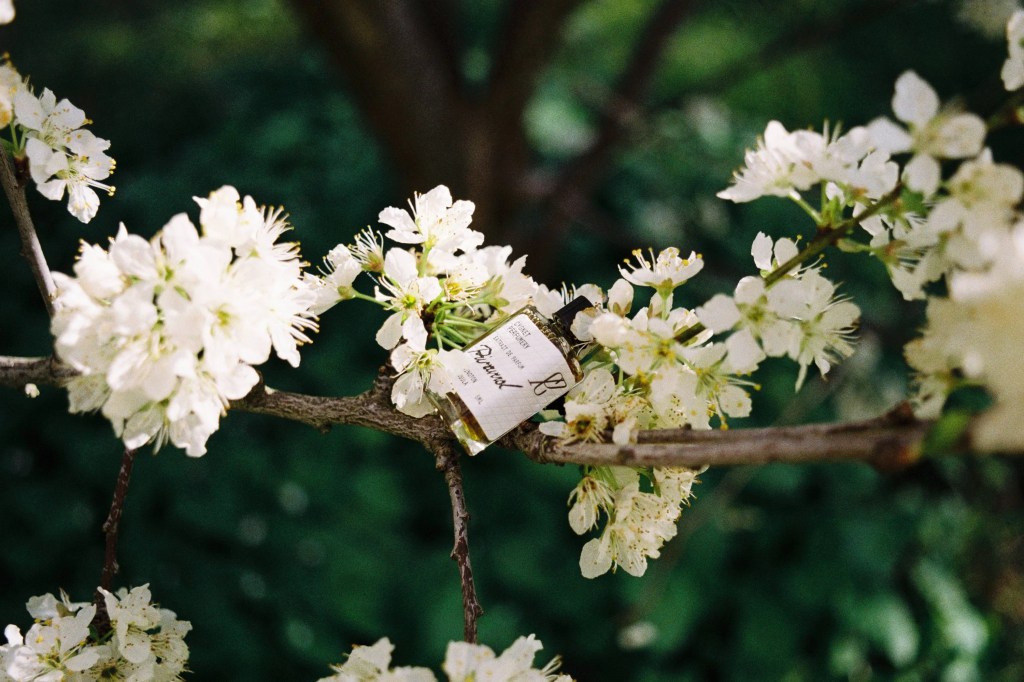
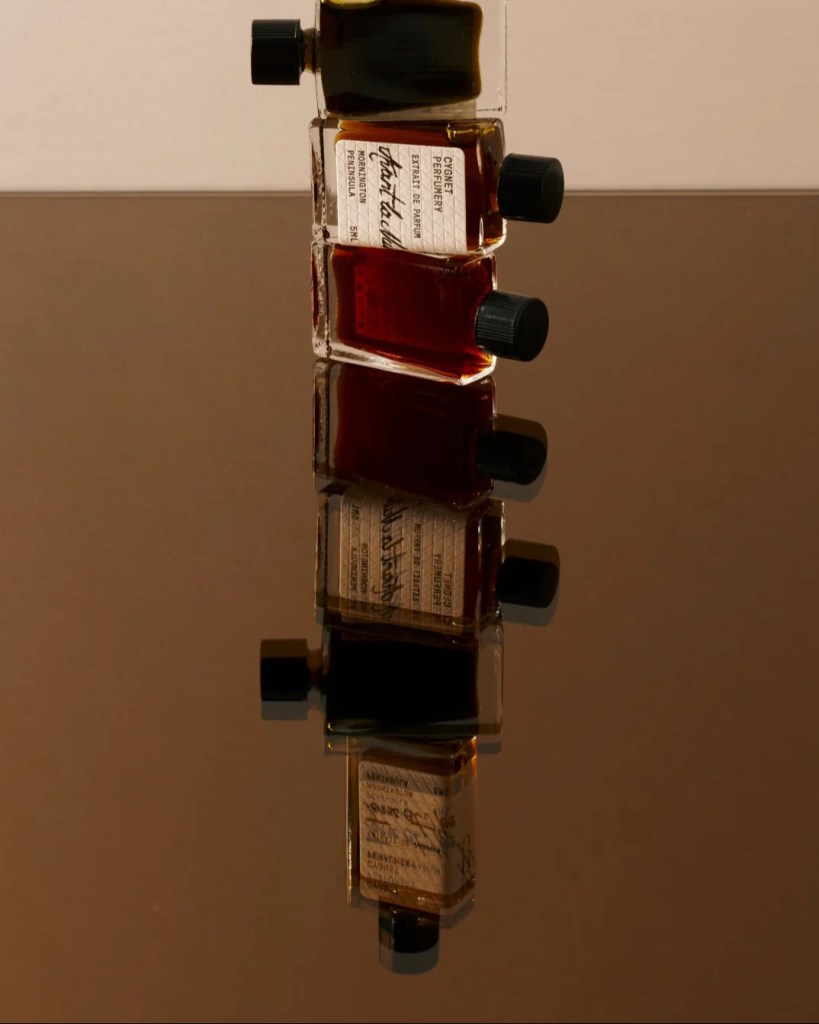
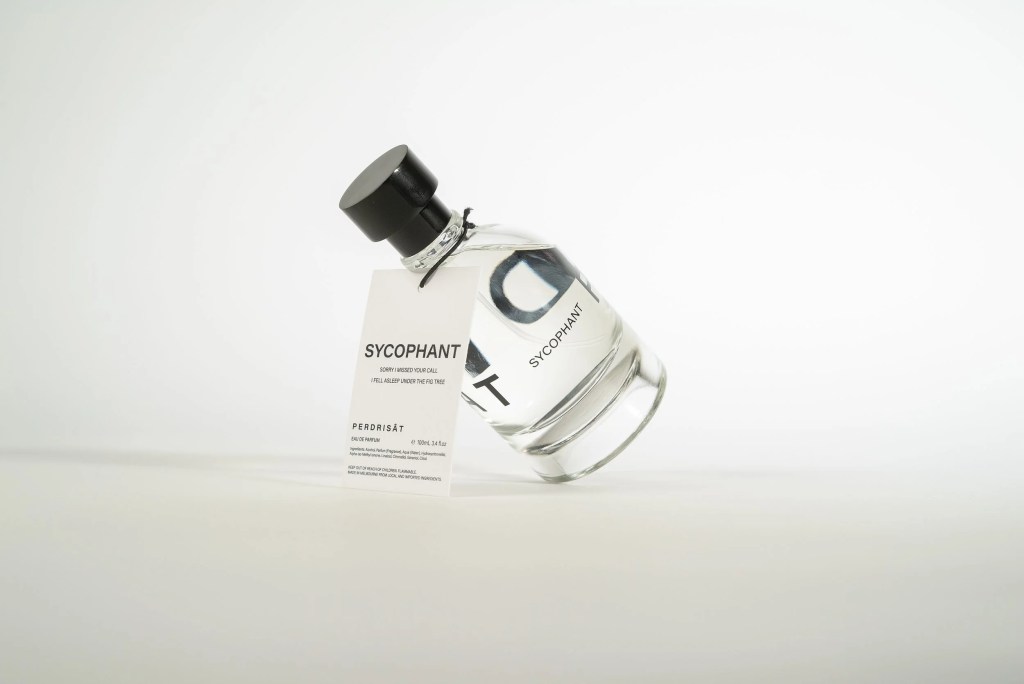
    After sleuthing through my socials and the wider web, I sat back and let the algorithm do its thing. In no time at all, I found myself blissfully scrolling through a quiet corner of the internet—a micro-community of perfumiers bound by a shared ethos: transparency, thoughtfulness, and the art of balanced composition. Here are three of my favourite clean fragrance brands that are redefining what it means to smell luxurious, without the toxic footprint.


    Recreation Beauty
    Australia’s answer to a conscious cult classic. Recreation Beauty offers luxury in a bottle, without compromising on quality. Vegan, cruelty free and ethically sourced— their scents are formulated without synthetic fillers, hormone disruptors, or questionable chemicals. Redefining decadence with integrity.

    Try: At Night We Dance
    Notes: Musk, magnolia, orange, vanilla, wood.


    Orb Oils
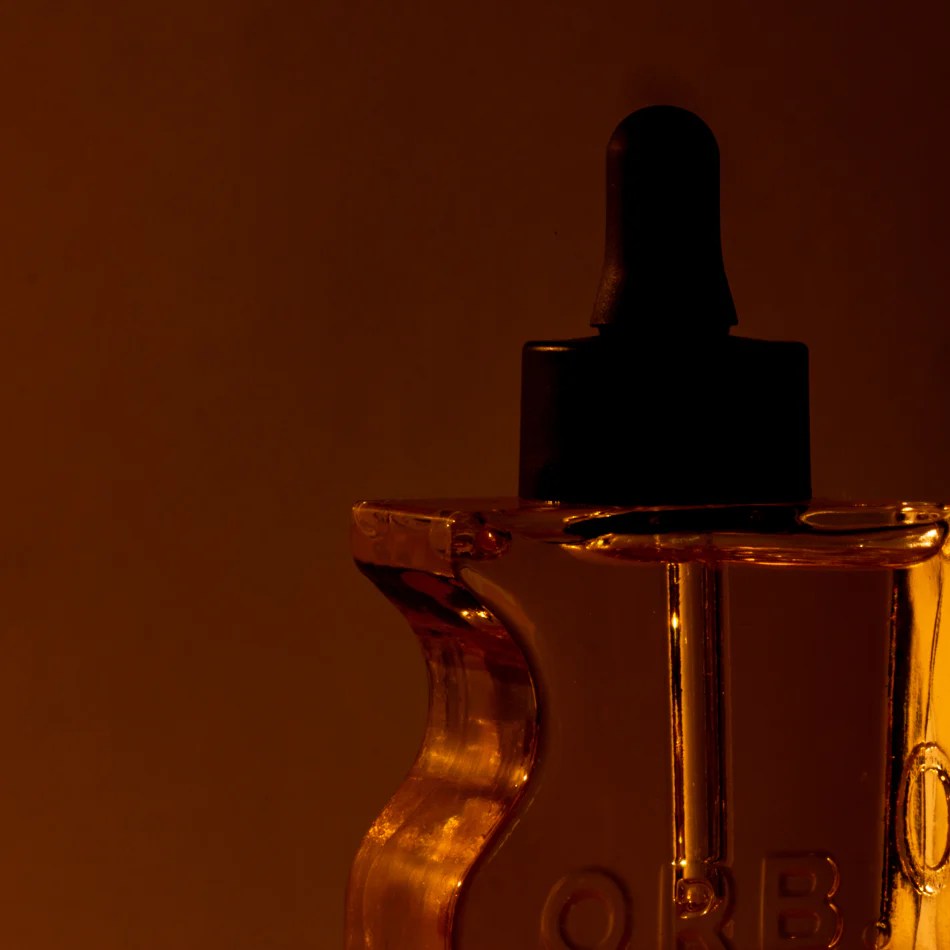
    Orb is a sensorial deep-dive—a blend of notes that conjure mood and memory. Their formulas are free from parabens, silicones, and all the usual harmful suspects. Think archival deity—rich, earthy layers blended with the finest essential oils for a scent that feels both grounded and divine.

    Try: Bobby  Fragrance Oil
    Notes: Sandalwood, spice, fresh, unisex.


    Tulita Fragrance

    Founded with the intention of setting a new benchmark for luxury, Tulita commits to formulations completely free from chemical compounds known to be carcinogenic or hormone disruptors. Their elixirs are 100% naturally derived, with over 55% organic ingredients. No parabens, no phthalates, no petroleum derivatives. Tulita Fragrance are the first of their kind—merging both fragrance and wellness into a natural elixir of vitality.

    Try: Agati
    Notes: Woody, earthy, green.