
• A Disquisition on Innocence: Dilara Findikoglu’s Cage of Innocence Collection

    A Disquisition on Innocence: Dilara Findikoglu’s Cage of Innocence Collection

    This article contains themes and discussion of sexual assault.

    You are thirteen years old, walking towards the creek at the end of your street.


    Small pieces of rubble from the middle of the road come loose and disperse under the tires of a passing car. The metal rims scintillate under the last afternoon light.


    The grass bubbles from the pulse of the creek bed. You take your shoes off. The crickets are singing, the stream rumbles softly, the wet ground vibrates with the hum and bustle of insects between your toes.


    In the reflections of the ripples, browns and mossy greens blur like paint stripes. A reddish leaf is pulled along by a string of currents. The leaf floats across the reflection of your cheeks, the current dragging the edges of your face.


    The ripples flash a warm yellow as the street lights flicker on behind you. Time to go home.


    Later you would come to realise that this was the last time you visited the bank of that creek, and as a result, that curious, innocent version of you would be imprisoned behind those tides irredeemably.


    We all have a version of that creek – a hidden ghost of our former selves, entrapped within the blissful ignorance of a time prior to knowing what we know now. Dilara Findikoglu’s SS26 Runway, Cage of Innocence, is an exploration of the treacherous plight back to that place.

    Emerging from a conservative upbringing, Findikoglu has
    pioneered her fashion house as a tool to deconstruct patriarchal confines, as much as a gothic dreamworld filled with visions of escapism and symbols of the occult.


    Born in Istanbul, Findikoglu moved to London at the age of nineteen to study fashion design at Central Saint Martins. Her looks became associated with outcasted crowds after she staged an unauthorised ‘guerilla’ collection to showcase her graduate thesis as well as other student collections who didn’t make the official press show. Even as Findikoglu transitioned into a mainstream designer, her fearless handling of ‘otherness’ has become a signature trait of her work:


    “In Islam, they tell you about an unknown world, the world of spirits – they’re called jinn in Arabic – and these creatures that live in other dimensions. I was scared of this world but, at the same time, felt close to it. I used to wish I was psychic so I could discover more about it.”
    (Another Man)

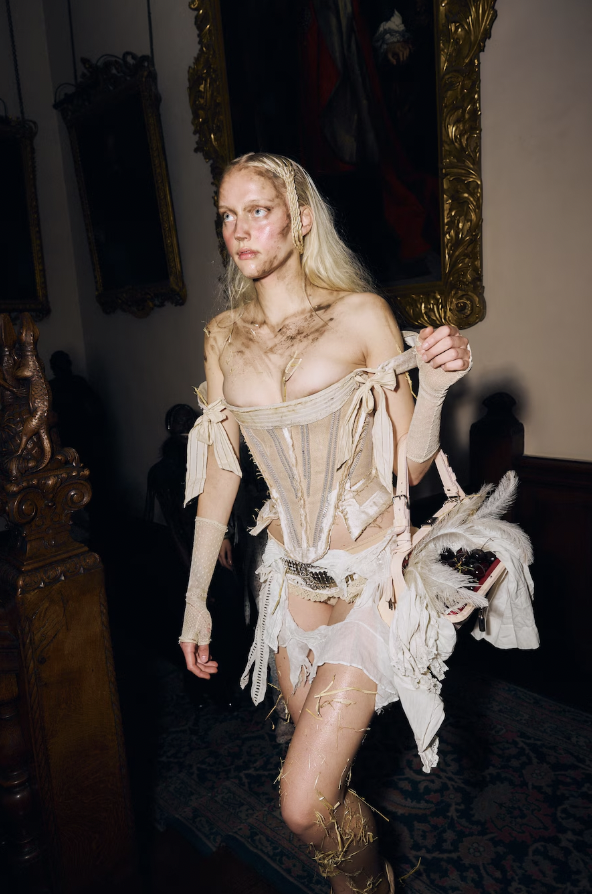
    Each look in Findikoglu’s runway is a disquisition on how innocence moves with us as we emerge as women. In the beginning of the show, models appear shaky and disheveled, with mud smeared up their legs and branches entangled in their wild, teased hair.
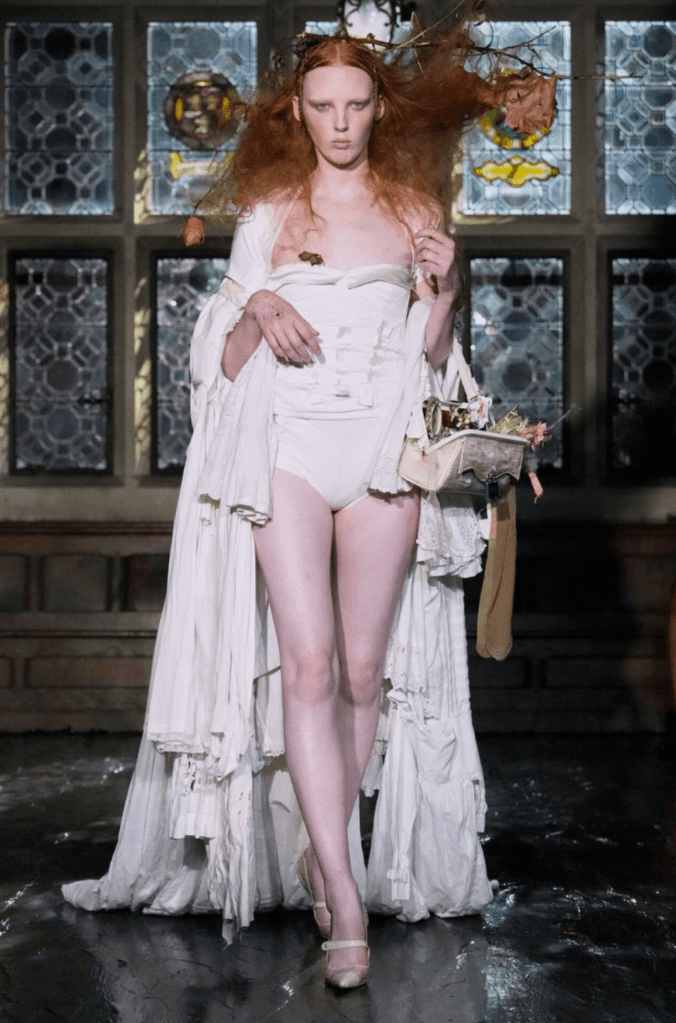
    Unkemptness and disarray transition into something much more structured as the show progresses, with hair falling smooth and tightly braided, and flowy ripped fabrics transitioning into stiff boned leather. ‘Cages’ appear in metaphorical forms – chainmail ornaments are applied directly to the face as an armour shielding the eyes and cheeks. Necklines reach high to choke its models. Latex gloves and tubed silhouettes tighten and constrict the form.
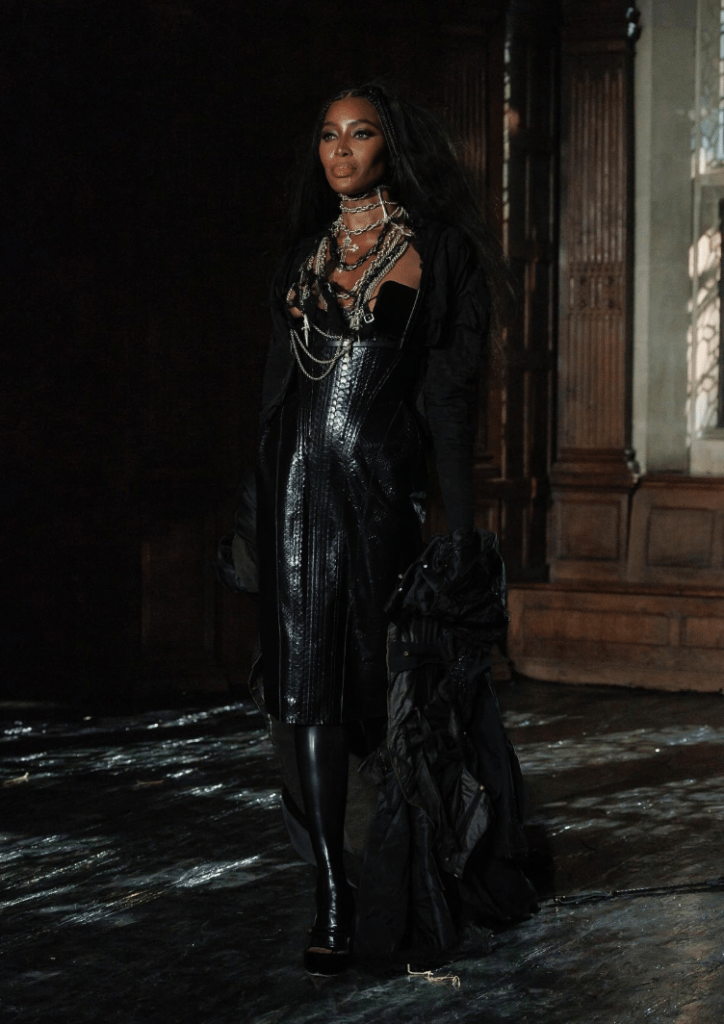
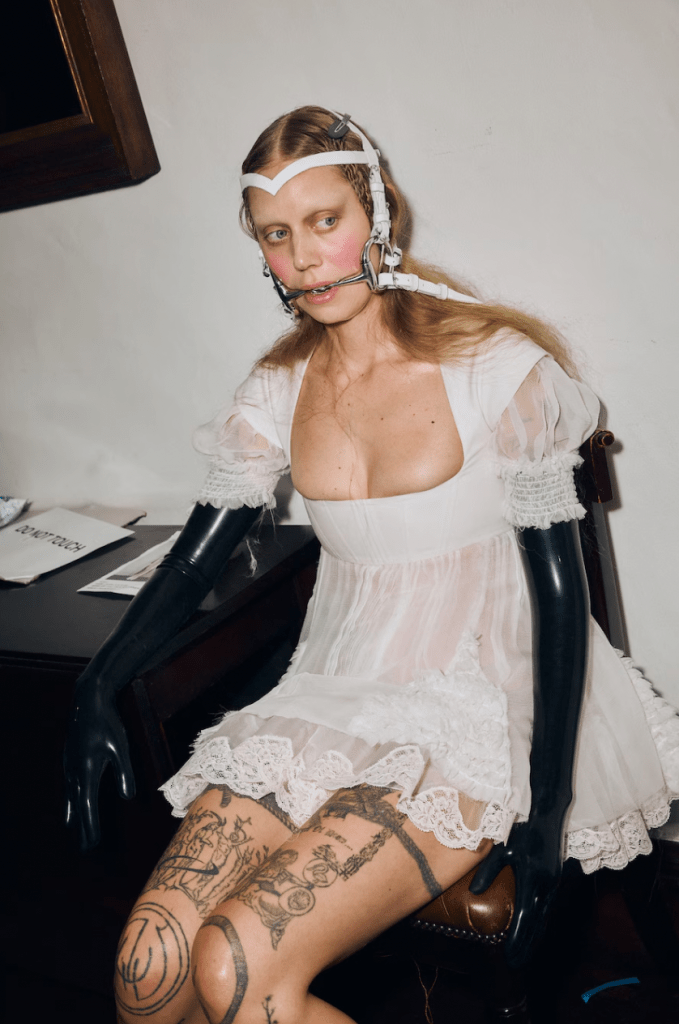
    In one look, Findikoglu gives her model a horsebit buckle headpiece. This look in particular achieves a certain ‘shock value’ – the ‘cage’ becomes so literal here it almost mimics some kind of torture device. As confronting as it is designed to be, Findikoglu never allows us to fall out of the underlying narrative, each garment flowing into the next as designs pulsate between constriction and release.
    It’s hard to express the specific and complex relationship women have with innocence, yet Findikoglu’s looks imitate it well. For young girls, childlike innocence is extremely precarious. In Australia it is estimated that females are twice as likely to have experienced child sexual abuse than males. That’s more than 1 in 3 girls who are robbed of their childhoods – the most liberating, untainted time of their lives. Those who do not fall victim to CSA are not exempt from falling victim to other predatory behaviours delivered predominately at the hands of men, throughout the rest of their lives. Think of every time you’ve been catcalled, stared at, followed, sent unwanted explicit messages. Would it be too provocative of me to assume that inside every women is a fundamental belief that she is unsafe in this world?


    The hand that so unjustly takes innocence away from young girls, is often the same that places unrealistic expectations of purity upon adult women. The concept of ‘purity’ is so deeply engrained in the metrics of what is deemed ‘attractive’, or even ‘acceptable’ within society, a ticket to extend your desirability long past your use-by date of 30. How many men’s skincare brands can you think of that make products to reduce the appearance of wrinkles by 20 years? ‘Skinny’ is back, but only for women. Is the recent Ozempic Pandemic a pursuit of appearing young and waiflike rather than managing health? Why is it that the idea of men’s body hair is innocuous, yet having a bush is a ‘political statement’?

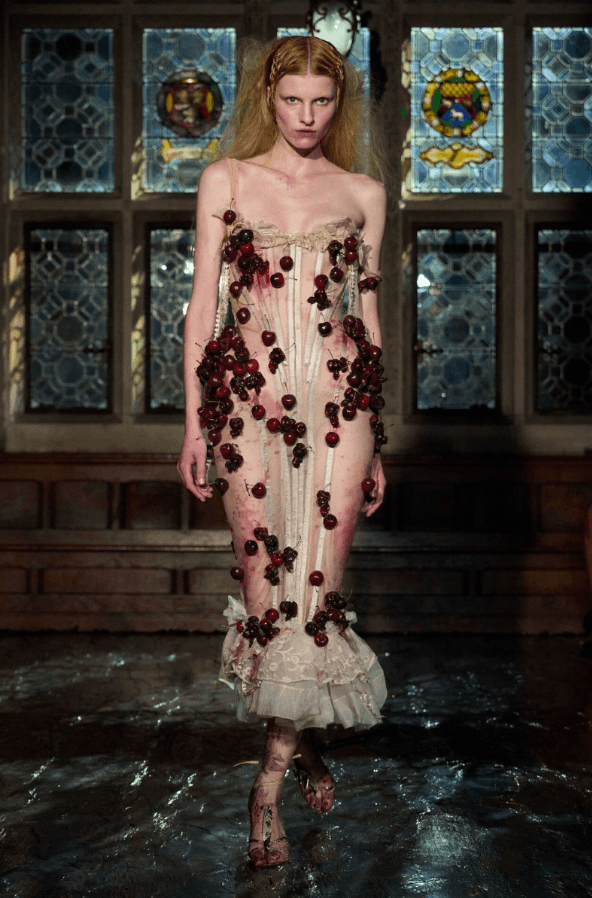
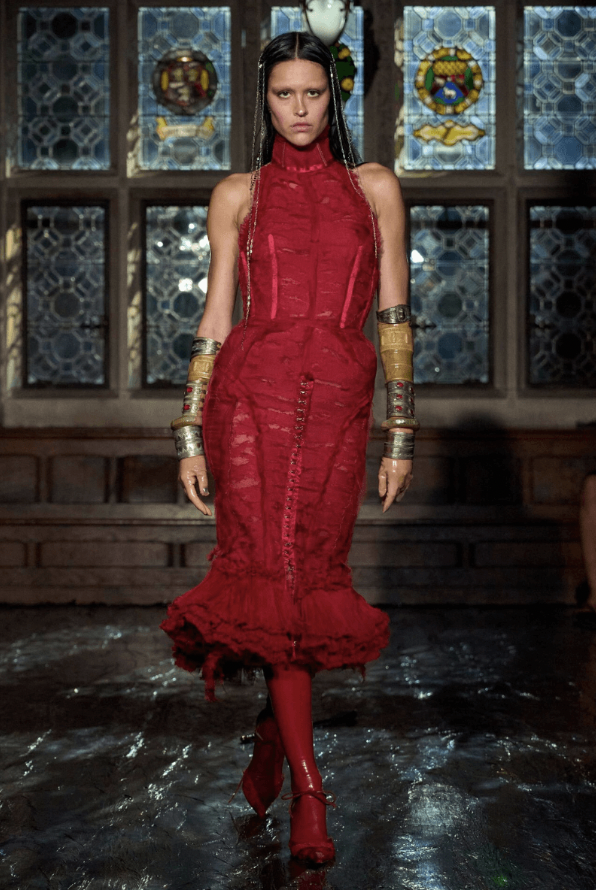
    Findikoglu’s collection explores the effect that the control of female innocence has on women’s relationships with themselves, and with each other. On the runway, she presents the idea of ‘innocence’ and the idea of the ‘cage’ within the same equal plane. The looks speak to each other – for example, the cherries used to stain a corseted ivory tube dress are echoed in another look where cherries and feathers spill out of a handbag. In the latter look, the model also wears a corseted dress, however this one appears tightly tied at her shoulders. Her hair is braided like a rope, her eyes are wide and mud is smeared across her forehead giving her a ‘hunted’ appearance. In a third monochromatic red look, the girl is ‘contained’- her extremities are bound in latex gloves and socks, her arms are cuffed to the elbows with metal bangles, and her dress conceals her body from her neck to her ankles, with metal stitching running down between the legs.
    The communication between her designs was not unintentional – in an interview with 032C Magazine, Findikoglu shares her deliberate use of red in her clothes:


    “I love the colour red because, when I was graduating, I had the sense that red was my personality. It has so many tones, and it is so difficult to get the right one. And it can mean so many things. It can mean love, passion, fearlessness. It is so bold, so out there. If you’re wearing red, it’s difficult to hide. I just want it to be heard and seen. It’s not a mid-tone. It’s red. It’s not black, and it is not white. It’s also the colour of blood—it’s quite crazy. When it’s
    diluted it becomes pink and cute.”


    Findikoglu marries red tones despite their contrasting playful and restrictive contexts. By changing the opacity of colour within a look – be it diluted cherry stains or head to toe striking red -Findikoglu builds a sense of power and reclamation. She wants both voices – the hunted girl with sticks in her hair and cherry juice across her legs, and the caged woman with a sleek silhouette and smooth straight hair, to be equally seen. In fact, both women are one and the same, just expressed differently. Findikoglu illustrates that our child self is always living inside of us- their red passion, and fearless thirst for life remains internally unbounded despite how constricted by social pressures we may
    become.


    In this runway, Findikoglu takes us back to that creek bed at the end of the street. We can feel the textures of wild nature, yet perceive it through an older, more contained lens. It’s like looking at innocence from the other side of time, from within the cage. Yet, it is in the way the garments accentuate the female form, the way that the models gaze with steadfast assurance, the walks that transition from shaky to strong, that indicates to me a certain power in femininity. Perhaps a knowledge that our innocence is sacred, and the fierceness we possessed as girls is our compass into womanhood.

    @dilariafindikoglu on Instagram.

    Words by Lola Haylock. @the.divine.archive
  • TSM’s 2025 Last Minute Gift Guide

    TSM’s 2025 Last Minute Gift Guide

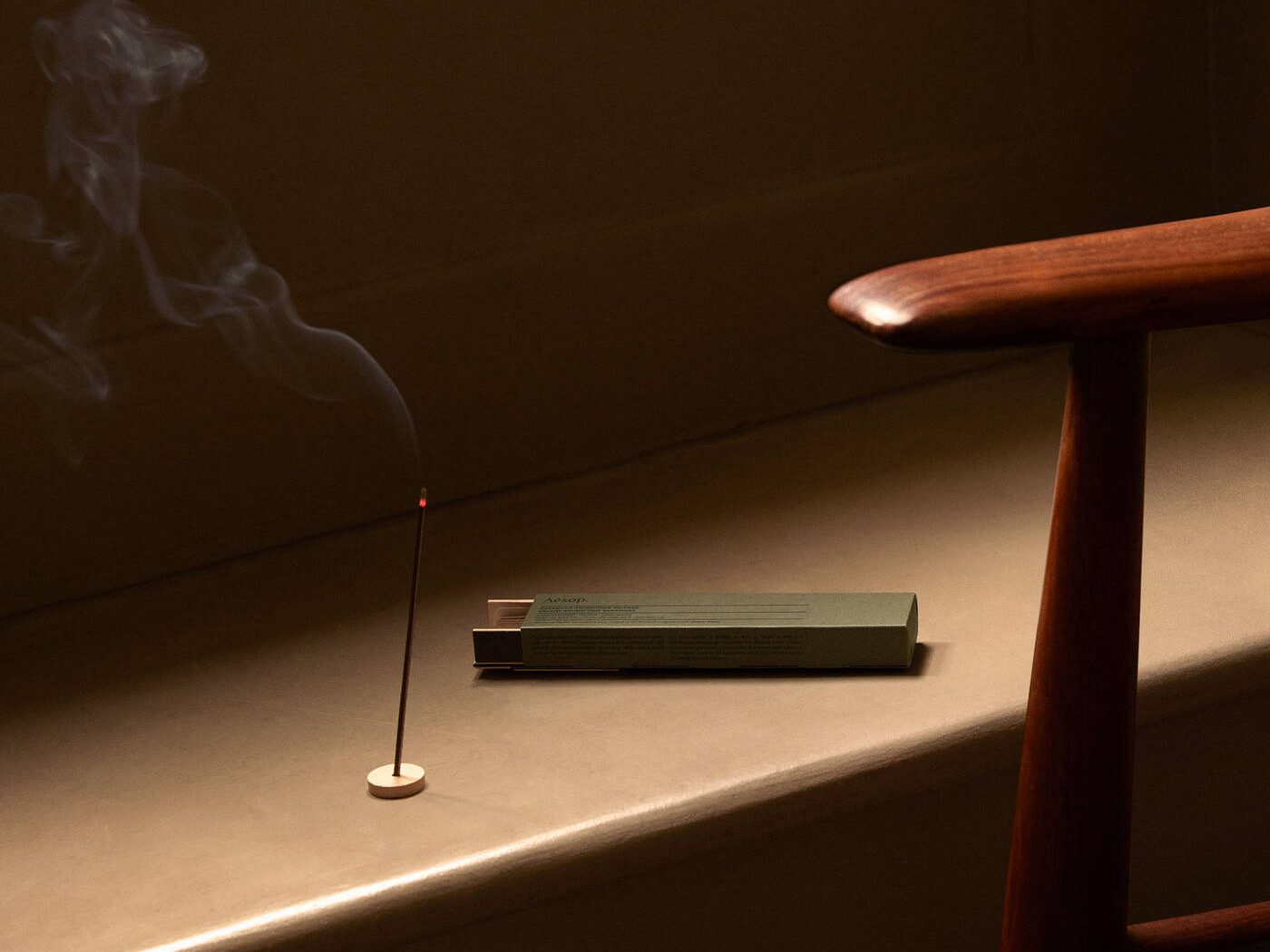
    Aesop Kagerou Aromatique Incense

    Presented in Aesop’s signature sleek packaging, the Kagerou incense releases a soft, woodsy scent anchored by vetiver, igusa, and sandalwood. Designed to subtly shift the mood of a space, each set includes a Kanuma pumice holder that naturally dissolves in water once used.

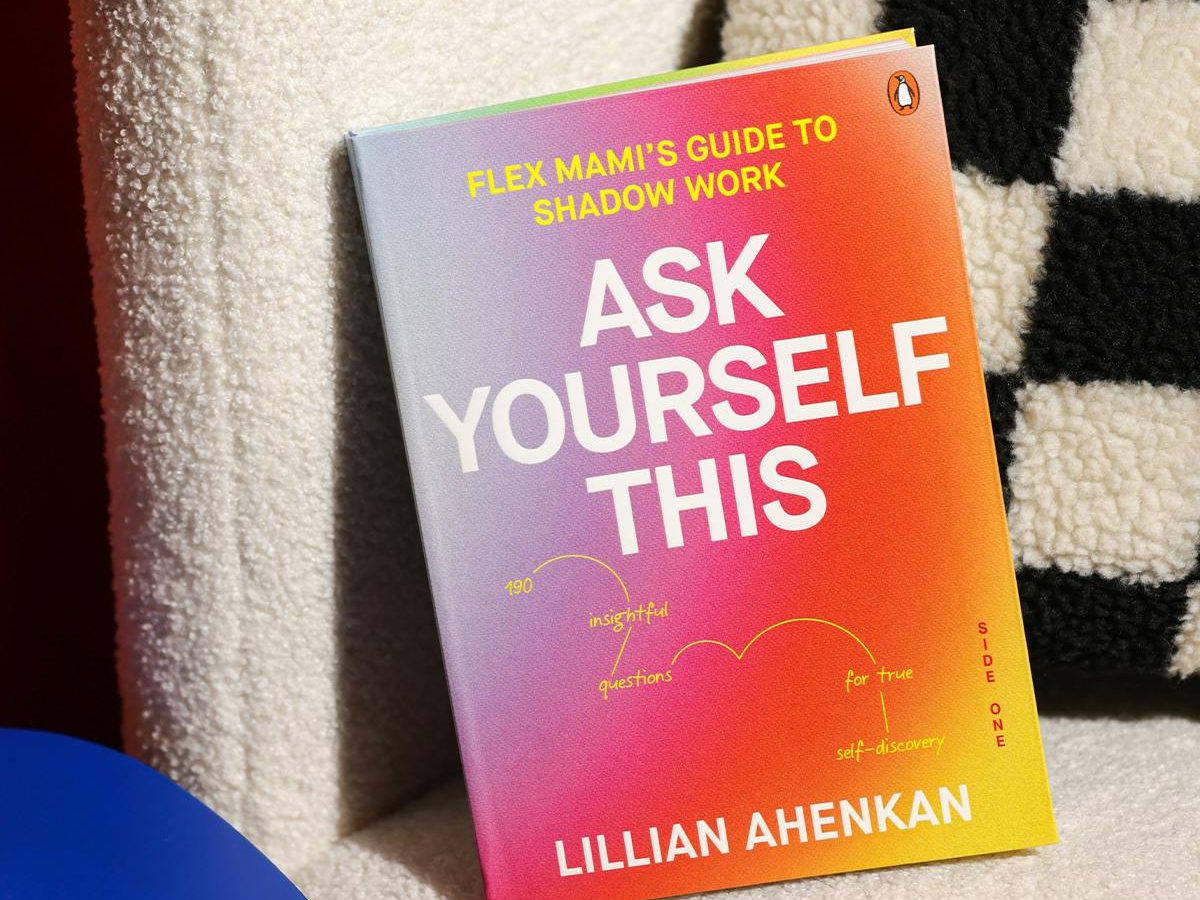
    Ask Yourself This By Lillian Ahenkan

    This guided journal features 190 thought-provoking prompts designed to encourage reflection, clarity, and self-discovery. Written in FlexMami’s unmistakable voice, it transforms inner work into an engaging and accessible daily practice.

    Cleonie Sculpture Maillot Swimsuit

    Aussie brand Cleonie’s take on the one-shouldered swimsuit is incredibly flattering and timeless. We especially love the option to request more or less coverage, depending on personal taste.

    Ela & Earth Insulated Water Bottle

    The kind of everyday bottle you end up carrying everywhere–practical, stylish, and easy to love. An added bonus is that it comes in a range of unique colourways.

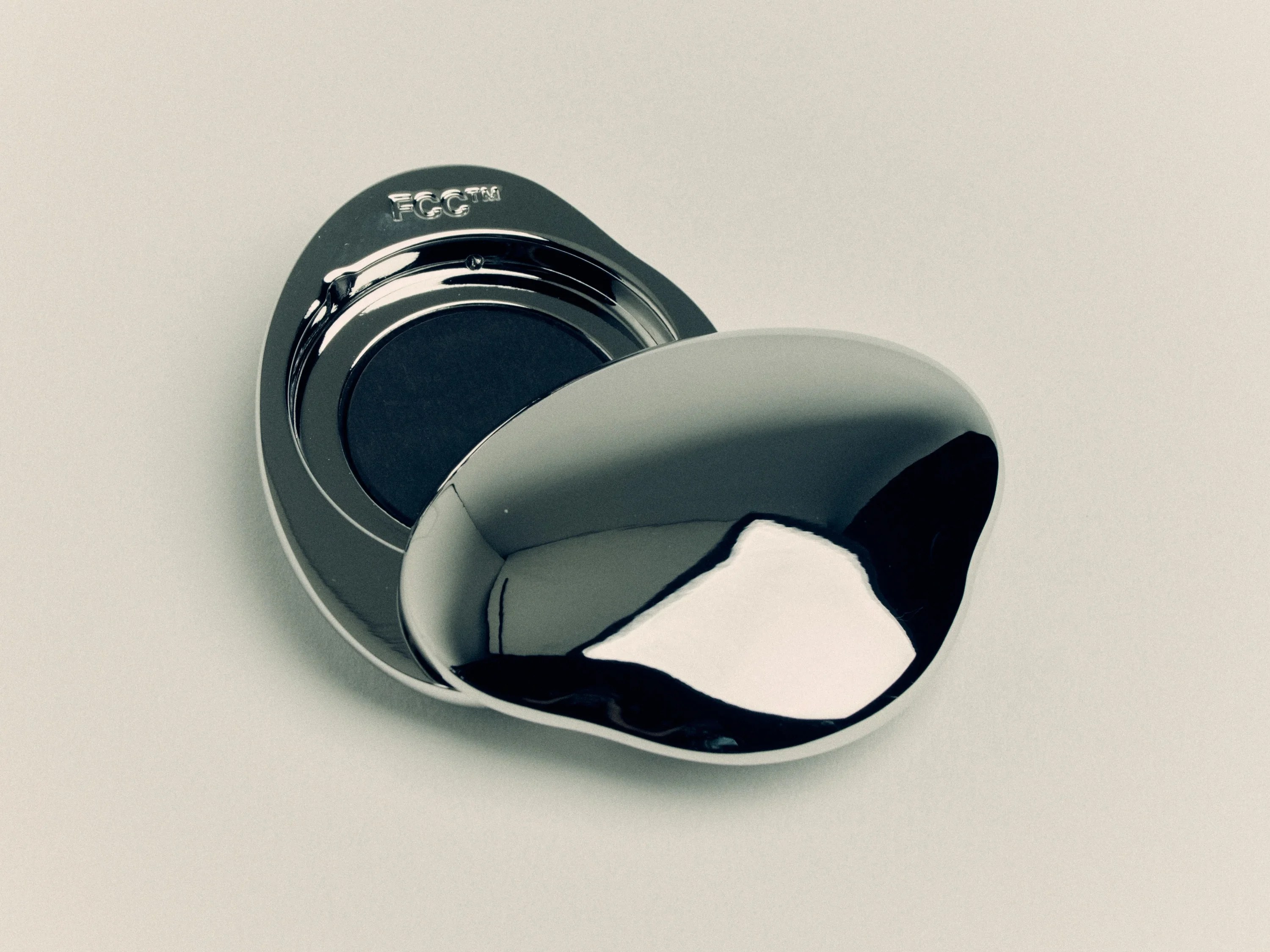
    Fluff Refillable Cream Blush

    This cream blush, in Flulff’s signature Cloud Compact, offers a natural, dewy flush in shades designed to flatter every complexion. Refillable and made with nourishing, plant-derived ingredients, it blends beautifully and can double as a subtle wash of lip colour.

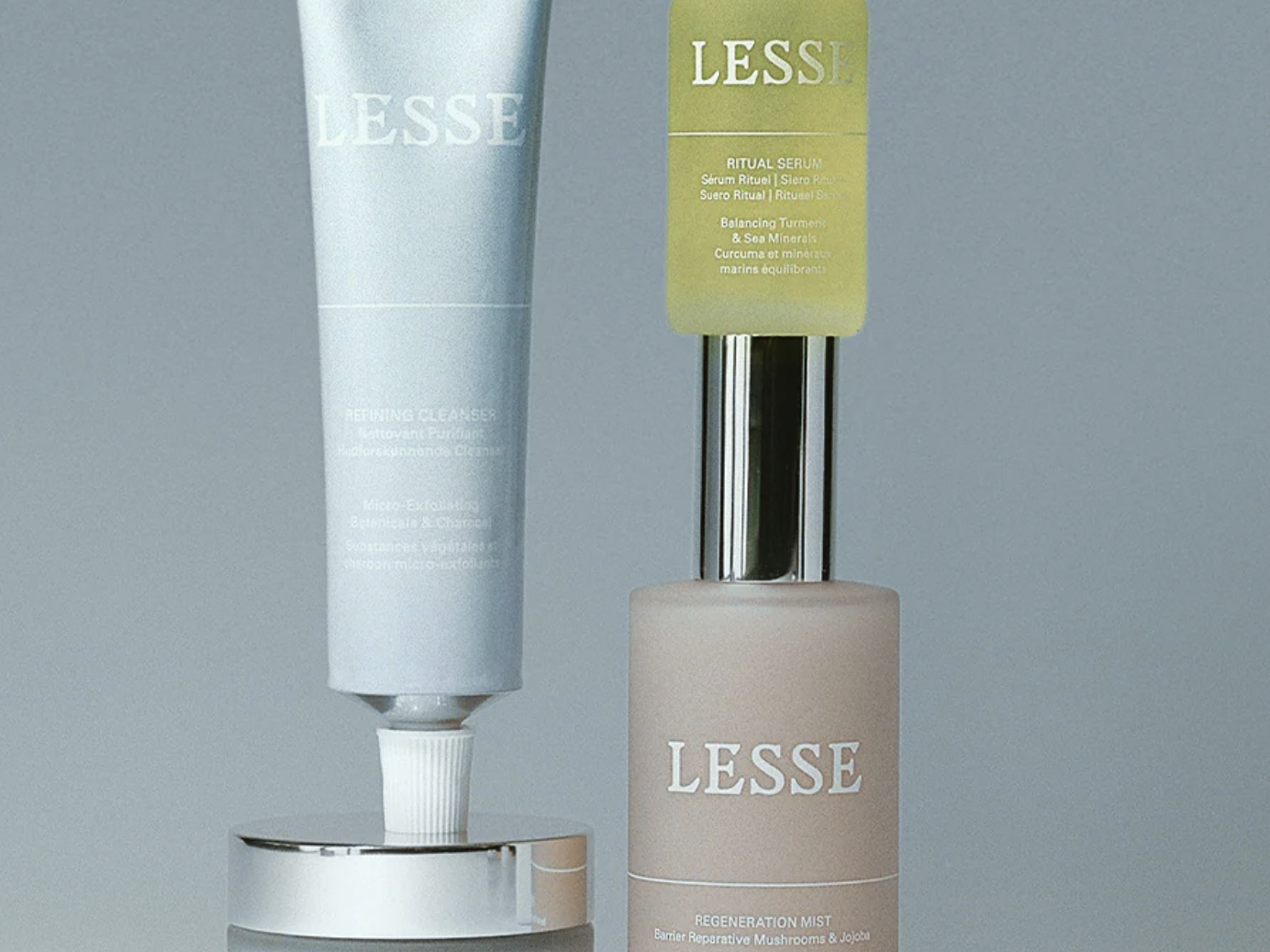
    LESSE Foundational Skincare Set

    A clean, thoughtfully considered skincare set designed to suit all skin types, featuring distinctive ingredients such as medicinal botanicals and mushrooms. The set includes a cleanser, mist, serum, and mask.

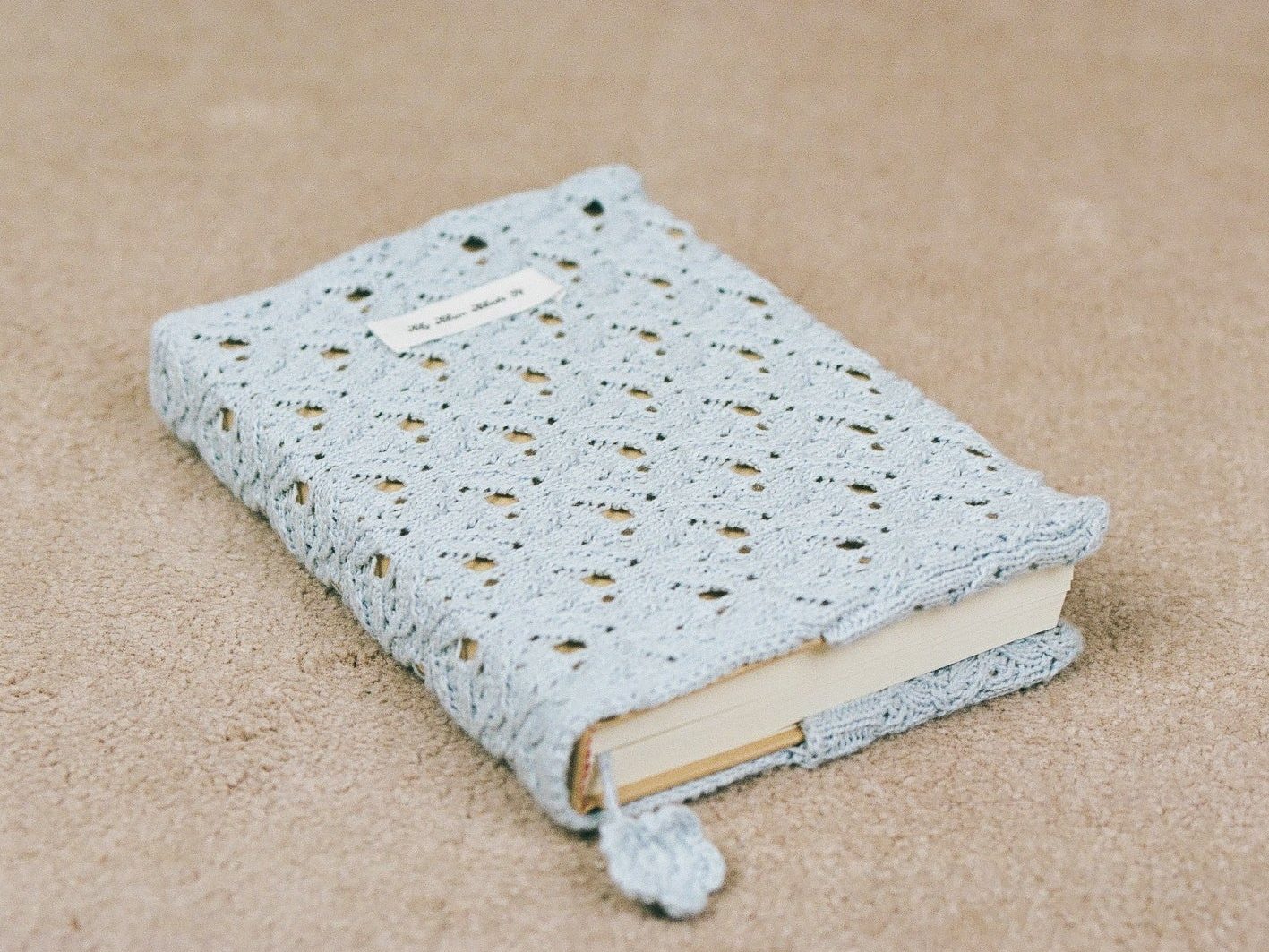
    My Mum Made It Crochet Notebook Cover

    Made from 100% organic cotton yarn, this handcrafted cover wraps a standard A5 diary in delicate crochet and includes a matching floral bookmark. Thoughtful and sentimental, it’s the perfect companion for new-year planning and reflection.

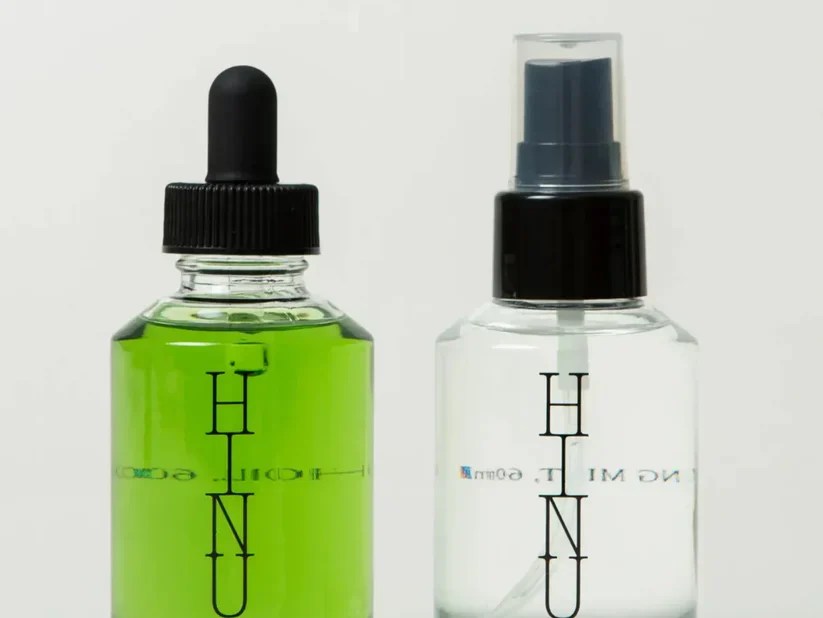
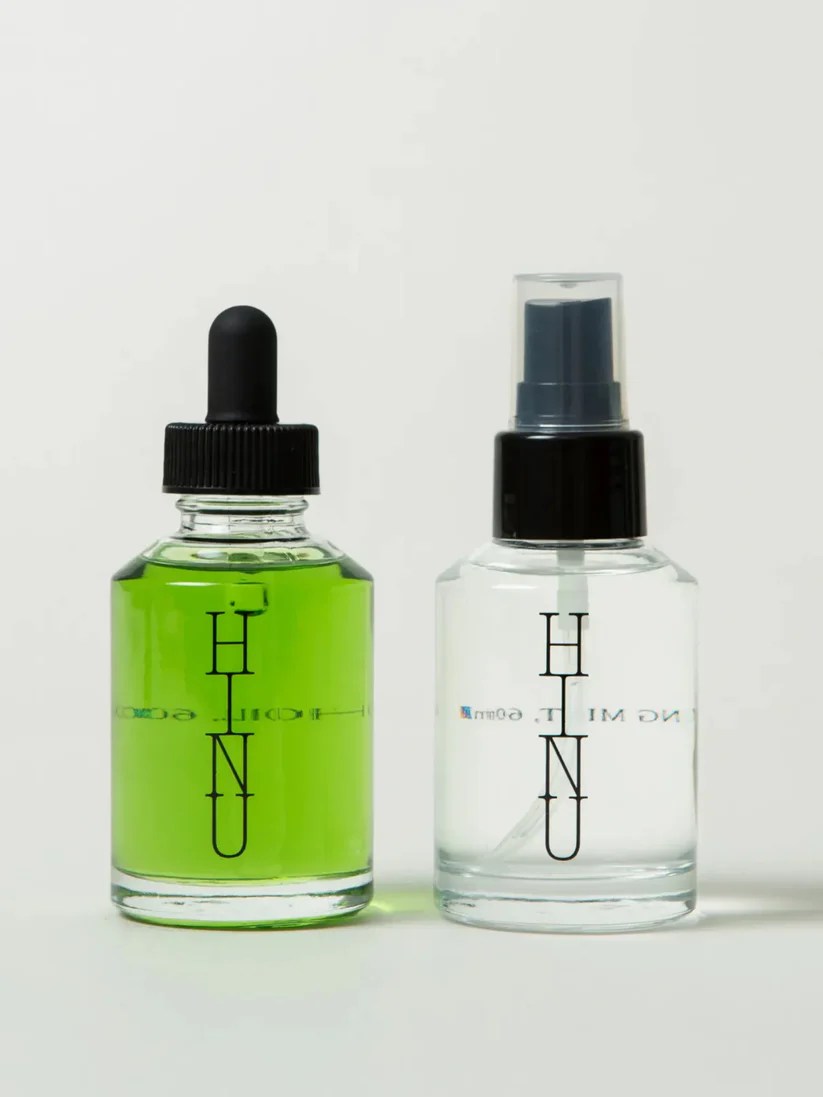
    Hinu Essential Duo

    This essential duo pairs a nourishing botanical hair growth oil with a lightweight hydrating mist. Made with high-quality, plant-derived and organic ingredients including rosemary, green tea, aloe, and argan oil, the formulas help support circulation, nourish the scalp, and leave hair softer and shinier–without the harsh chemicals.

    St. Agni 90s Belt Bag

    Everybody needs a staple, everyday bag. This nineties-inspired, minimalist design is made from 100% leather and comes in a rich, on-trend mahogany. It can be worn as a shoulder bag or a clutch.

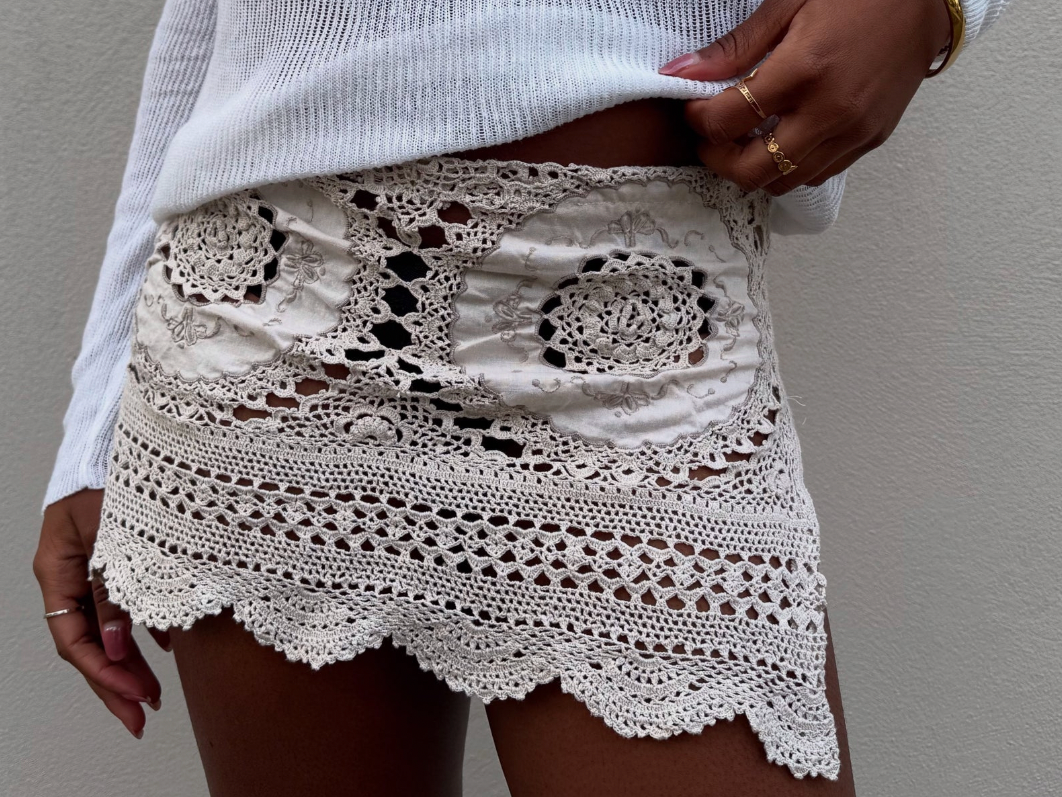
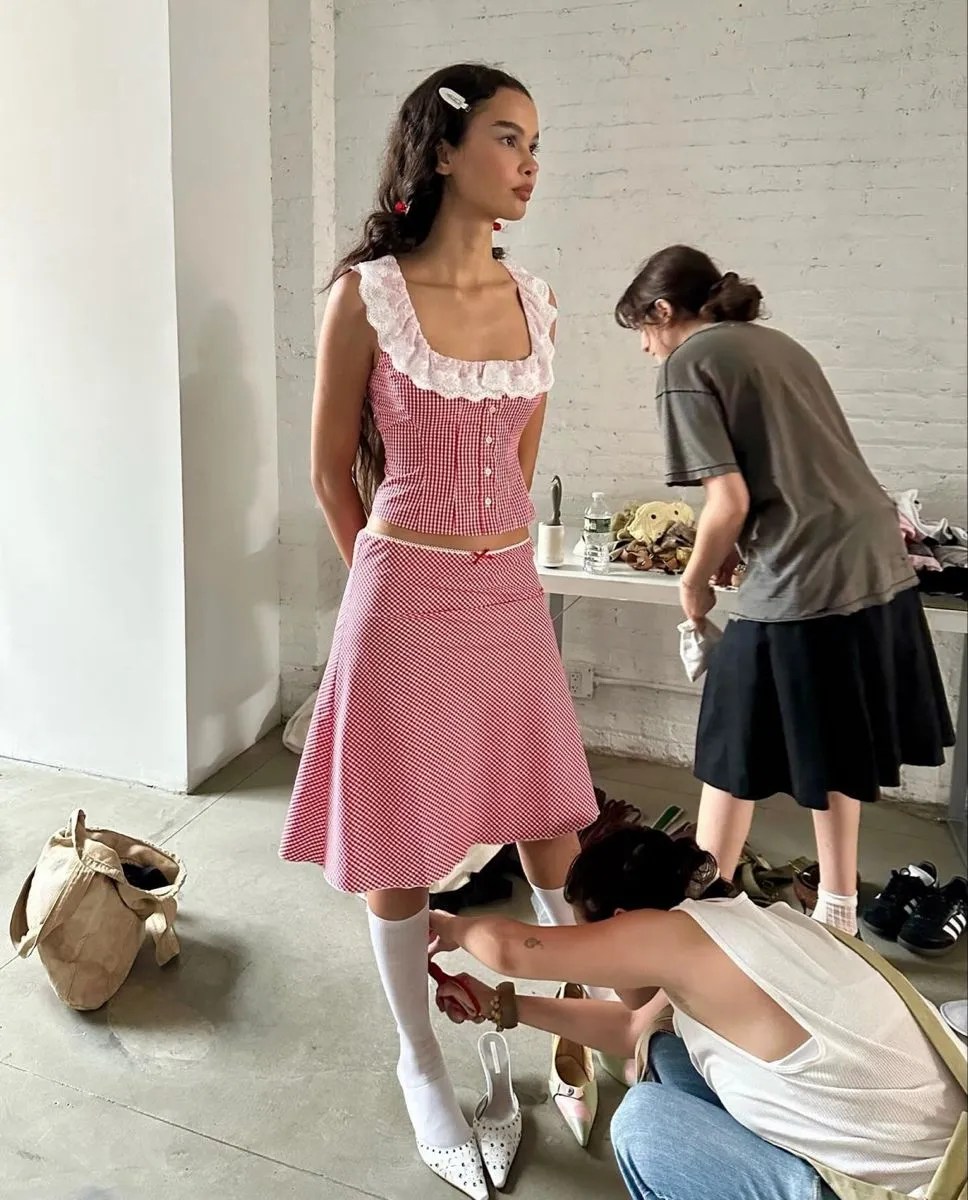
    Tehan Threads Mini Skirt 

    Melbourne-born Tehan Threads transforms deadstock and vintage fabrics into doily and lace inspired statement pieces, creating wardrobe staples that are as timeless as they are conscious. Each piece is a forever item that blends fashion with sustainability. Love your work, @alicetehan.

  • The Afterlife of the School Uniform

    The Afterlife of the School Uniform

    When I think of school uniforms, I think of polyester polo shirts and creased, knife-pleated skirts, black dress shoes with scuffed toes, or socks that are permanently grey from wear. And, if I really want to get visceral with my description, the lingering smell of sweat from PE class and Victoria’s Secret Love Spell.

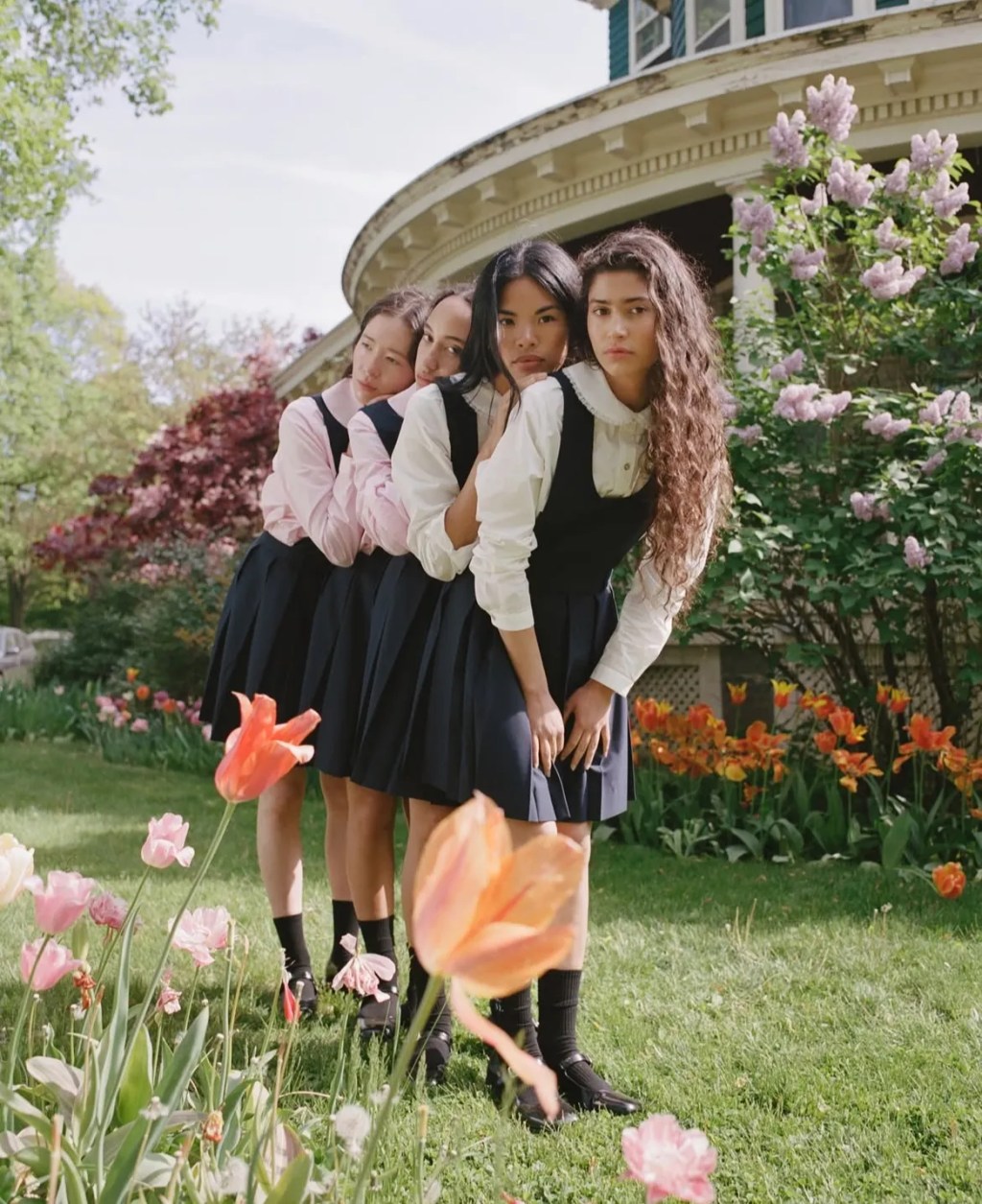
    In theory, the school uniform is supposed to symbolise equality and functionality. In practice, each uniform eventually becomes individual to the wearer, be it by a name scrawled on a fabric tag or the controversial choice of skirt length. The hyperreal uniform, by contrast, erases this messy, lived-in reality. It sanitises the worn, the dirty, the unfashionable, reducing the uniform to a set of recognisable elements: loafers, tartan and white blouses.

    The school uniform has become a clean slate—something that can be warped, projected onto, and eagerly leveraged by capitalism. There are both positives and negatives to this. On one hand, there’s the perpetuation of fantastical and harmful tropes about girls in uniforms that overwrite the reality of lived experiences in school. On the other, the aesthetic’s revival opens space for reinvention. For the uniform to become something new, detached from its old connotations.

    Outside the schoolyard, the uniform becomes a storytelling device in popular shows. Rory Gilmore’s (Alexis Bledel) innocence and intelligence is reflected in her modest, neatly pressed Chilton uniform. Meanwhile, the confident and fashionable Blair Waldorf (Leighton Meester) styles her uniform with loose ties, headbands, and thigh-high socks paired with heels.

    In Japanese anime, sailor-style uniforms signify youth, purity, and cuteness. Sailor Moon would not be herself without her blue-and-white sailor suit. In Ouran High School Host Club, the crisp male-style blazers parody privilege and aspiration, while the female characters in pleated skirts become symbols of both conformity and comic subversion.

    In South Korea, amusement parks like Lotte World have entire rental shops where visitors—many of them long past high school age—can hire a uniform for the day. The photoshoot is the point: giggling in blazers in a picturesque location, eating candyfloss, posing with cartoon mascots. These are all things we rarely did as actual students. School was, in reality, a full-time 9-to-3 burden, heavy with rules and growing pains.

    At risk of sounding dramatic, wearing the school uniform, and in particular the school skirt—as a real girl in real school—is a historically, politically and socially charged experience. The earliest school uniforms for boys in the 16th and 17th centuries were based on military dress. When girls were finally included in mass education, their uniforms were designed not for equality but for modesty, domesticity, and clear visual distinction from boys. The skirt was chosen to reinforce “femininity,” whatever society deems it to be.

    There’s something to be said about how successfully this idealised image of girlhood infiltrates the average woman’s wardrobe. Even I have a soft spot for tartan-patterned-anything and socks with black, shiny, Mary Janes. But perhaps there is a subtle message within all this—one that women have always been told: to never grow up. To never age.

    So what’s the alternative? Non-gendered uniforms?

    Maybe it’s not just about what we wear, but the freedom to decide—whatever that could look like. To view the uniform as something fluid, unbound by gender, age, or expectation. Designers like Sandy Liang are already doing that, turning the once-rigid silhouette into something playful, genuine and universal. That’s the best outcome of the uniform’s afterlife: a fantasy we can finally control.

  • Why Gingham is Forever

    Why Gingham is Forever

    My first well-loved gingham piece was a pair of pants I bought from Japan when I was nineteen–just when I was coming into my true sense of style. They were interesting enough to be bold, but understated enough to be everyday-chic. I can safely say they were on rotation in my wardrobe for a generous amount of years, before they were surrendered to the Depop overlords.

    As I write this, I can feel the gingham itch again. It’s almost like every time summer rolls around in the Northern Hemisphere, the call of the pattern comes back to me. And I’m not alone–searches for gingham skirts have spiked by 350% this year, proving that the pattern’s influence remains strong. The check is everywhere again: in flirty two-pieces (see Sabrina Carpenter’s ‘Manchild’ release fit), smocked mini-dresses, and retro revival one-piece swimsuits.

    Florals fade for me. Stripes tire. Leopard is fun for a second. Gingham, however, just endures.

    The reason for that might lie in its history. Even though it’s now closely associated with picnic blankets, prairie dresses, or even a Muji bedspread, gingham didn’t start there. Its origins trace back to Southeast Asia—India and Indonesia—where early versions of the fabric were woven in vibrant colours and rhythmic patterns before they were colonialised adapted by European traders.

    By the mid‑18th century, gingham was mass-produced, becoming a staple for everything from school uniforms to tablecloths, thanks to its durability, breathability, and low maintenance. And honestly, that utility is part of the charm. It doesn’t wrinkle easily, it hides stains, and it suits just about everyone.

    As trends evolve, gingham seems to do the same. In the 1950s, pastel gingham reigned in a-line dresses and full skirts, undoubtedly boosted by Judy Garland’s baby-blue pinafore in The Wizard of Oz. In the ’90s, black gingham took a darker turn and slipped easily into the grunge scene. Today, it lives happily within our endless appetite for soft nostalgia and cottagecore escapism.

    It’s also become a kind of fashion shapeshifter. Miuccia Prada, Simone Rocha, and Jacquemus have all played with gingham in recent collections—using it to both poke fun at and pay homage to traditional femininity.

    So yes, gingham is having another moment. But then again, it never really left.

  • Timelessness and Trend: The Wedding Dress Paradox

    Timelessness and Trend: The Wedding Dress Paradox

    For a garment typically worn only once, the wedding dress carries an almost unbearable amount of importance. It must be palatable but unique, classic yet contemporary–reflective of the bride’s personality without being too trendy or out-of-pocket. In trying to satisfy both personal and cultural expectations, the wedding dress becomes a paradox. A symbol of enduring tradition that is also expected to be tastefully trendy.

    At the heart of the dilemma is a question: what exactly is a wedding dress supposed to achieve? In try-on videos and Pinterest boards, the answer seems deceptively simple. It should be beautiful, memorable, and emotionally resonant. But what many modern brides seek, more than anything, is timelessness.

    This desire is complicated by our ever-shortening fashion cycles. Bridal trends move at the speed of light, and there’s an increasing pressure to find a sense of individuality within the noise–perhaps to avoid the fate of those looking back at their wedding photos from the puffy-sleeved ’80s and ’90s with regret. But timelessness itself is a fantasy, often constructed in hindsight. A dress only feels timeless if it happens to align with the aesthetics of its era and ages gracefully–by coincidence or sheer luck.

    Before Queen Victoria famously chose a white silk satin gown for her 1840 wedding, brides typically wore the best garment they already owned, regardless of colour. Her decision sparked a trend that has evolved into today’s search for the white dress. This shift paralleled the growing commodification of marriage, which popularised over-the-top weddings and crater-sized diamond rings.

    And so, ironically, what is marketed as “timeless” bridal fashion is usually a curated repetition of aristocratic aesthetics of silks, satins, lace, and corsets. These features endure not because they resist trend, but because they are the trend, recycled and rebranded with each passing season. The symbolic weight of the wedding dress, first cemented by Victoria, has since been inflated by decades of bridal marketing, Hollywood fantasies, and celebrity weddings, transforming a practical outfit into a culturally loaded costume.

    The emotional significance attached to the dress can also obscure its artificial importance. Despite the deeply personal narratives spun around finding the “right dress,” the obsession is often manufactured. As an avid watcher of Say Yes to the Dress, I can testify to the way reality TV has dramatised the process of purchasing a piece of clothing for one day of your life.

    Interestingly, the rise of sustainable, affordable weddings often comes with a rejection of the traditional dress. Alternatives like jumpsuits, coloured gowns, and vintage ensembles are gaining traction, though they remain niche. The image of a bride in a white dress still dominates the cultural imagination, no matter how contradictory or exhausting that ideal may be. Timeless? Maybe not. But telling, absolutely.