• Morocco Is a Mirror

    Morocco Is a Mirror

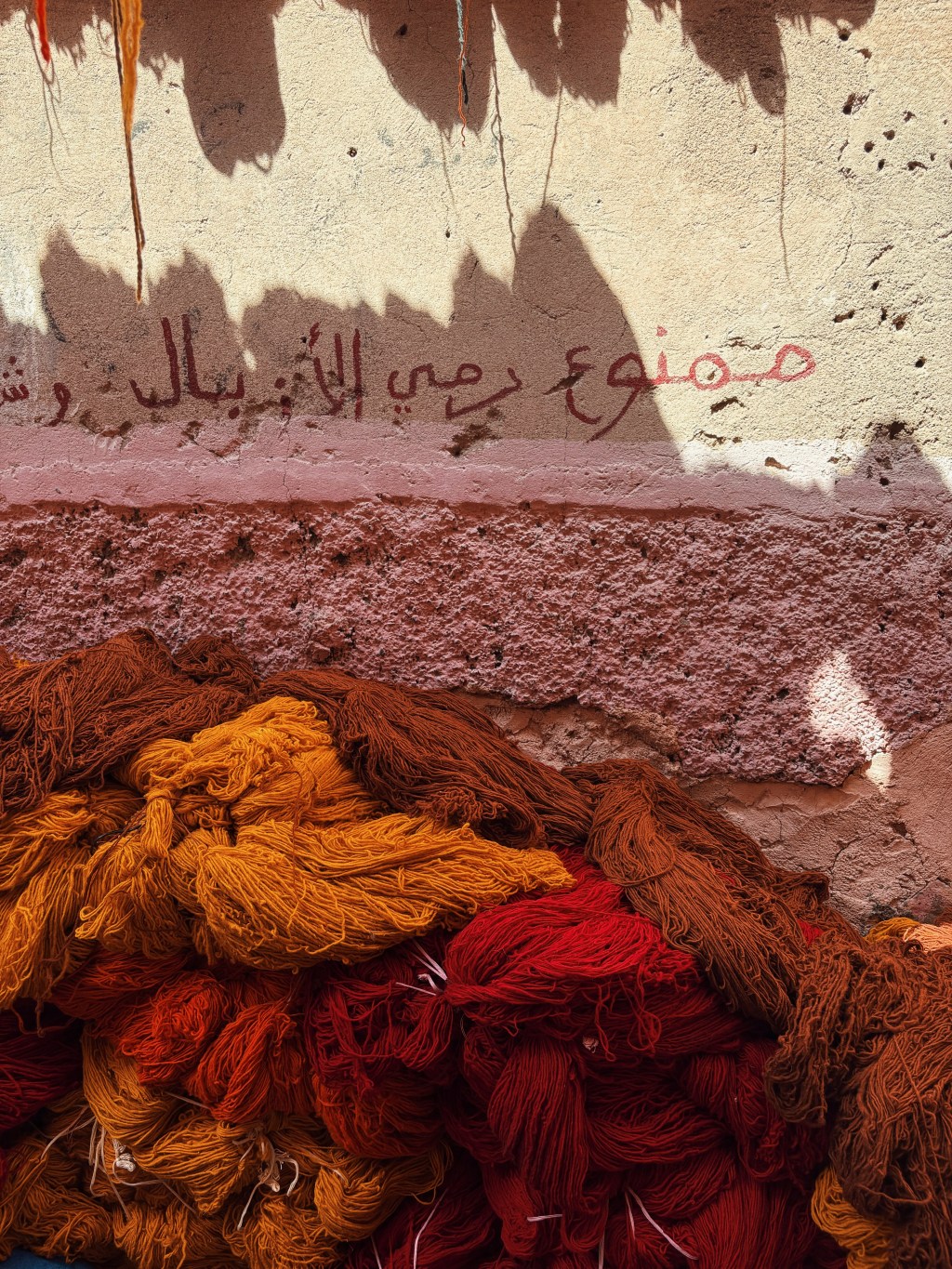
    The heat met us before our driver did, but it was dry and tolerable as we sat in the backseat and endured the last three hours of travel. The transfer was a monochromatic transition from city walls to farmhouses, interrupted only by palm, argan, and olive trees standing proud in the arid landscape.
    After spending one week visiting a friend doing research in Ghana, I moved north to spend another week in Morocco with family and friends. The trip was an unmet tension between myself and spaces unbeknownst as I moved through the streets of Essaouira and Marrakech.

    When you’re thrown into a space geographically and culturally distinct from the customary, it’s easy to reduce it down to presupposition–where phonetic and linguistic barriers would render you parti pris in your experience of it all. I entered with the subconscious assumption that I would have no point of familiarity. But when you meet a place where it’s at, it reflects facets of yourself revealed only in the unfamiliar–a woeful but wonderful paradox.

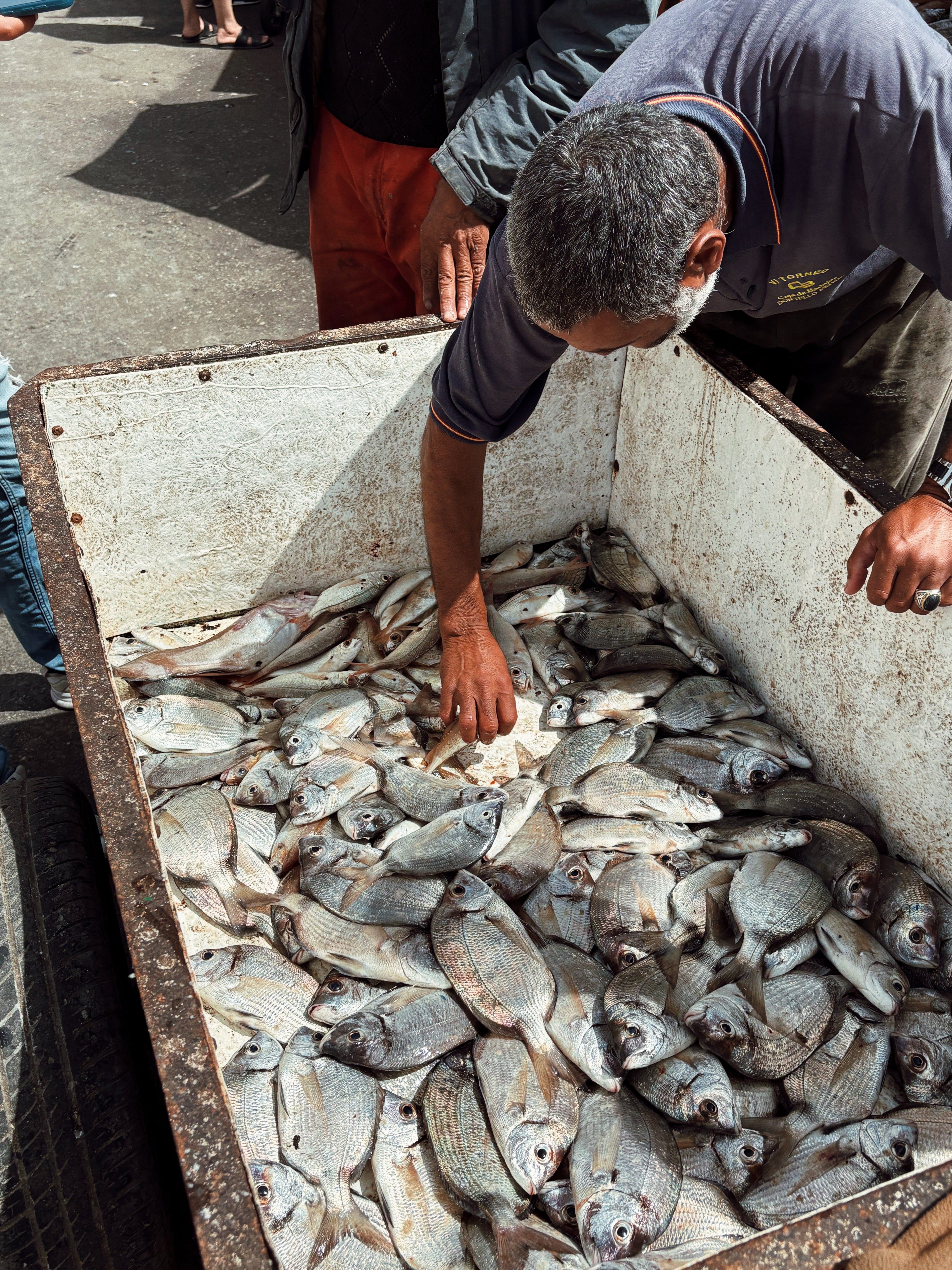
    Blue, all blue, the doors, the ocean, the fish stands. Essouira was cooling, both for the soul and the body and most days were spent walking through the medina, finding ceramic and silver wares to fill my luggage with. It took two days to confidently navigate my way through the main streets; this was abetted by the shopkeepers who recognised us (c’est les Australiens) and we would wave at them until we turned the corner.
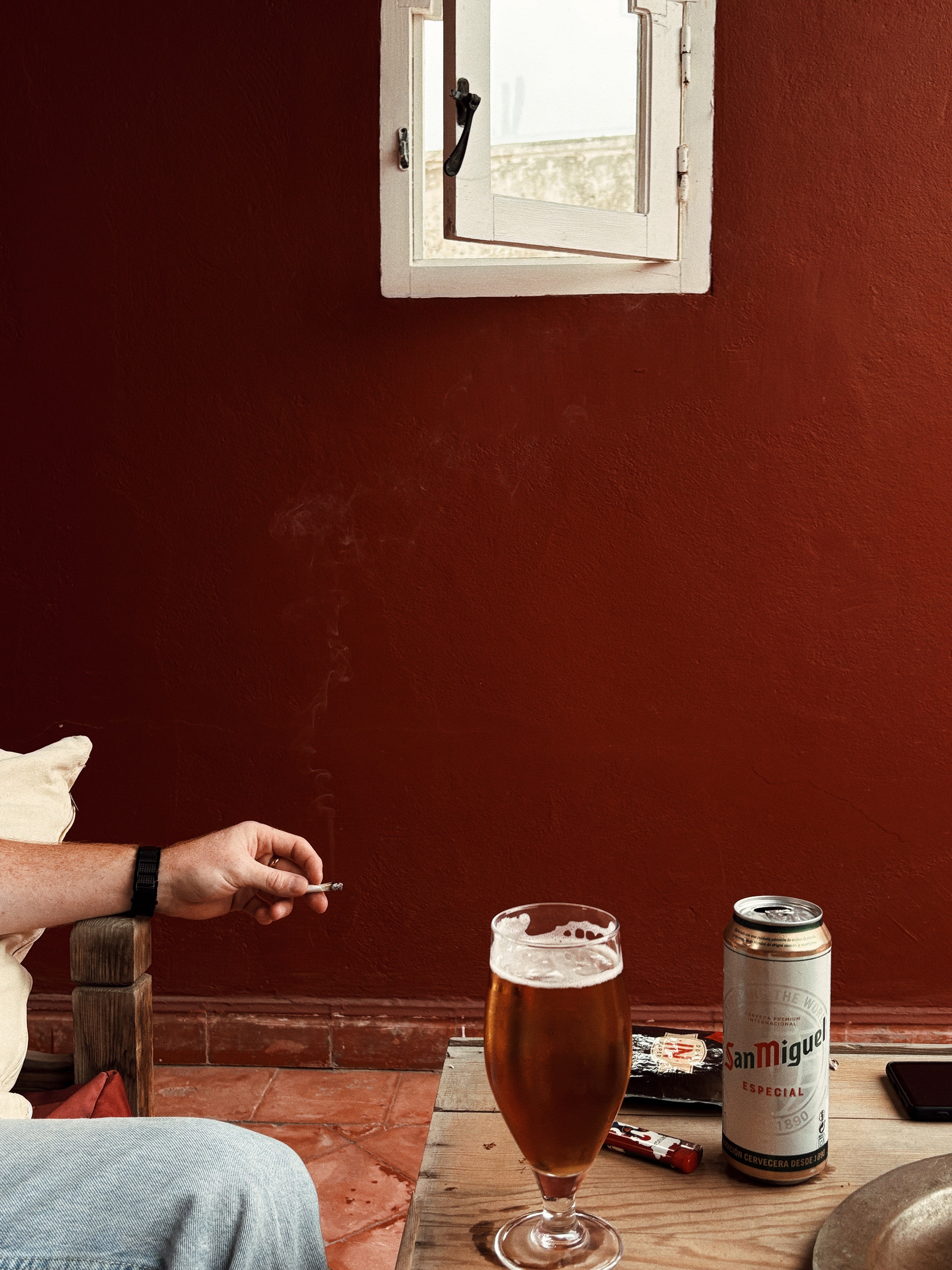
    On the last day we made sangria and drank it on the top terrace (yes, we had two). White wine, fresh juice and cut up peaches swam in a teapot as we smoked, listening to music and watching the cats traverse across the stones and washing lines which framed the skyline.
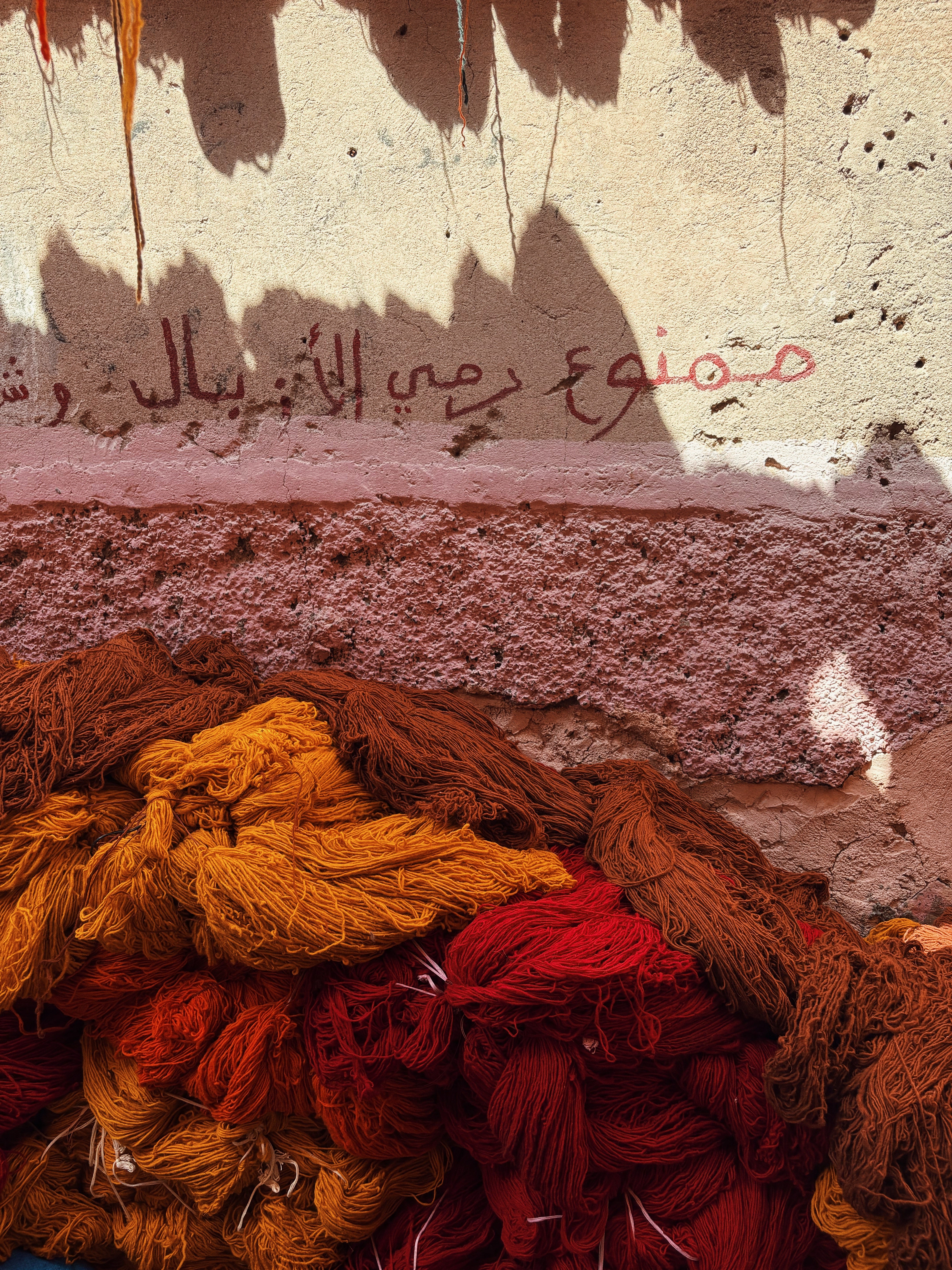
    Later, we found ourselves in an outside bar. Crowds watched as the bodies below danced in the open air, moving to the sounds of the night. Loud music fed us until we surrendered at 1:30 am. We skipped along the water and back inside the city walls, running through the streets and past the cats as we clung to the last snatches of Summer.
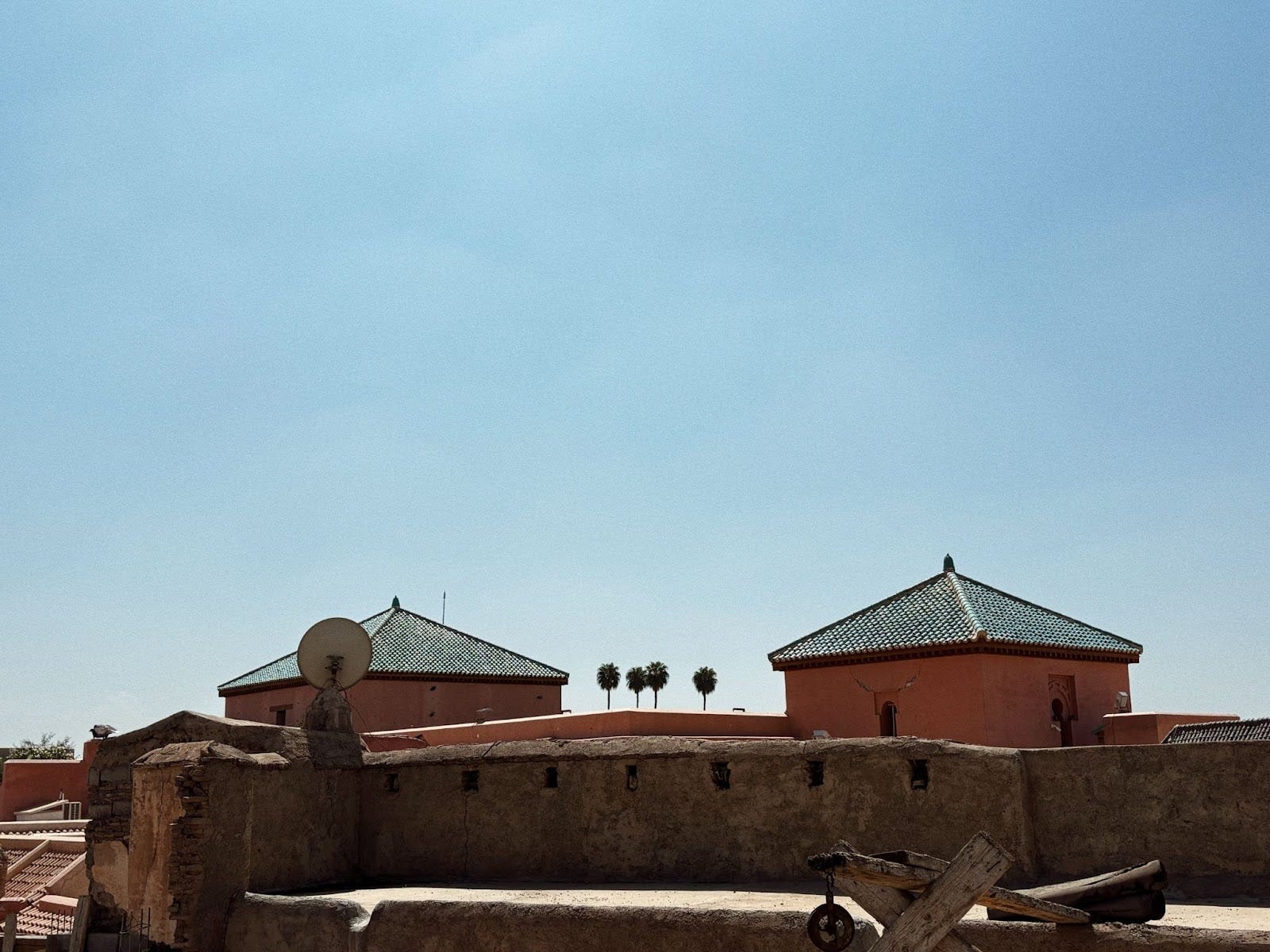
    Four days back in Marrakech where the crowds and noises overwhelmed my senses and obscured my thoughts. Everything was an acceleration of the former and we frequently sought solace on the rooftops of restaurants and riads, where the heat danced through the doorways and windows.
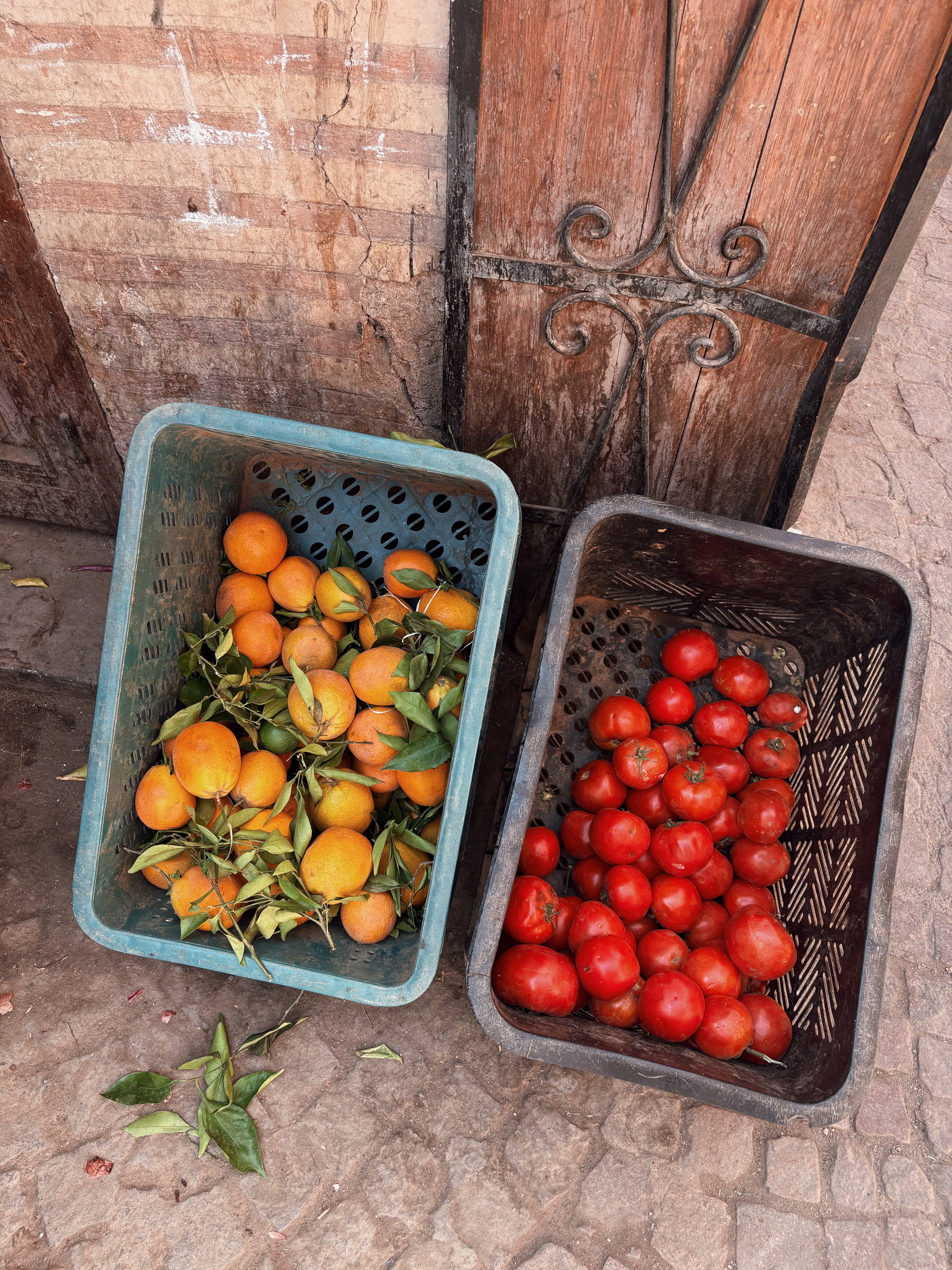
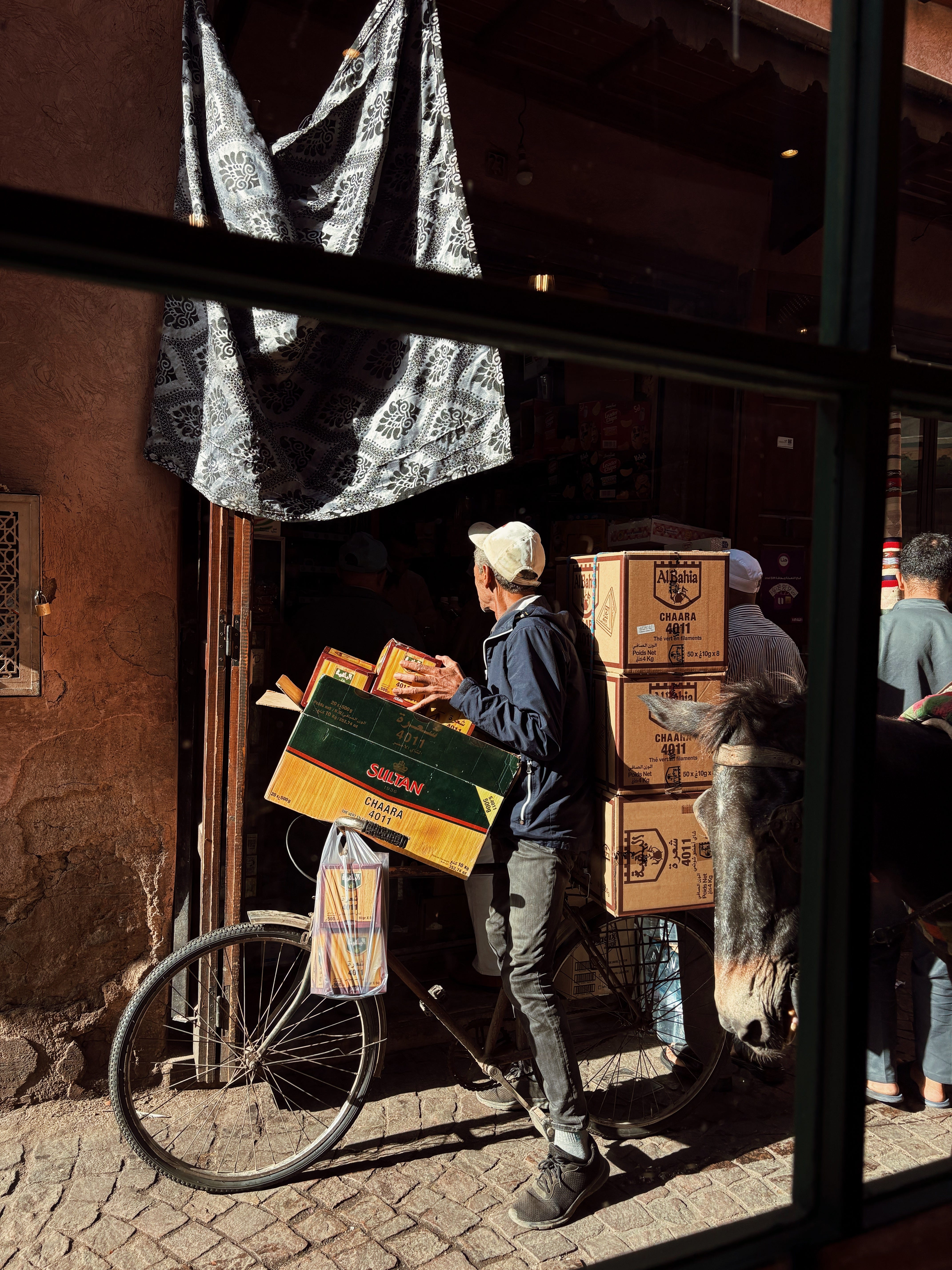
    The city expresses itself by virtue of the people–foundational to how the streets operate. If you wake early you can feel the rhythm before the crowds drown it out. Mint tea on silver platters is a pharos for understanding the shared life here. Poured from a height and shared to neighbours, friends and strangers. After all, who are we if not our interactions with others? If not our moments of communion? Collectivism is the reflector of humanity. All it takes is some time, and reflection to see it.
    The final night I watched the mosque glow in the distance. We stared at each other, curious about our differences but connected in our similarities. The night smelt like orange blossoms and burning amber and I imagined myself running across the terracotta roofs, I would sit in the palm trees as the city rippled below me. Each moment, real or not, was a pilgrimage unto myself. Identity is a soft cage when you see yourself in relation to the world around you.

    Words by Emma Sun @emsun7s7
  • Timelessness and Trend: The Wedding Dress Paradox

    Timelessness and Trend: The Wedding Dress Paradox

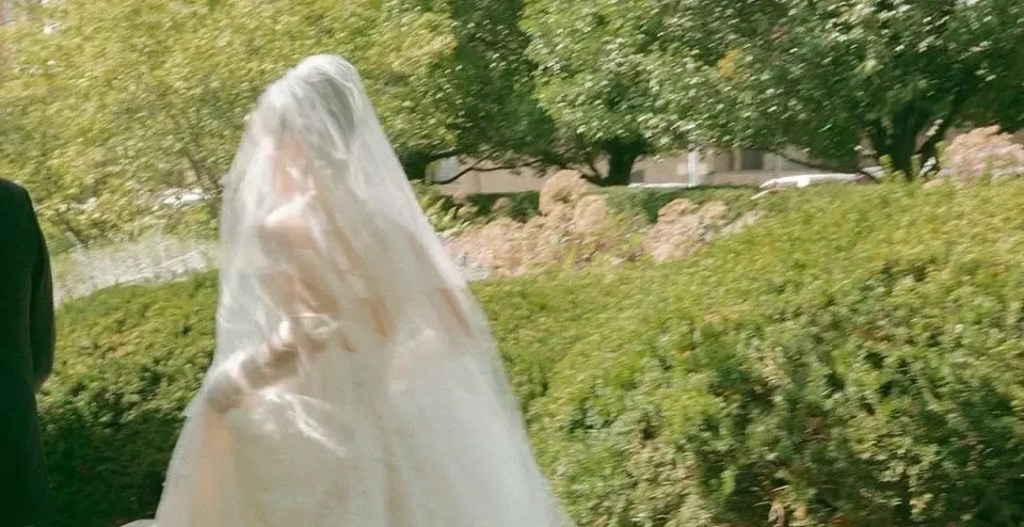
    For a garment typically worn only once, the wedding dress carries an almost unbearable amount of importance. It must be palatable but unique, classic yet contemporary–reflective of the bride’s personality without being too trendy or out-of-pocket. In trying to satisfy both personal and cultural expectations, the wedding dress becomes a paradox. A symbol of enduring tradition that is also expected to be tastefully trendy.

    At the heart of the dilemma is a question: what exactly is a wedding dress supposed to achieve? In try-on videos and Pinterest boards, the answer seems deceptively simple. It should be beautiful, memorable, and emotionally resonant. But what many modern brides seek, more than anything, is timelessness.

    This desire is complicated by our ever-shortening fashion cycles. Bridal trends move at the speed of light, and there’s an increasing pressure to find a sense of individuality within the noise–perhaps to avoid the fate of those looking back at their wedding photos from the puffy-sleeved ’80s and ’90s with regret. But timelessness itself is a fantasy, often constructed in hindsight. A dress only feels timeless if it happens to align with the aesthetics of its era and ages gracefully–by coincidence or sheer luck.

    Before Queen Victoria famously chose a white silk satin gown for her 1840 wedding, brides typically wore the best garment they already owned, regardless of colour. Her decision sparked a trend that has evolved into today’s search for the white dress. This shift paralleled the growing commodification of marriage, which popularised over-the-top weddings and crater-sized diamond rings.

    And so, ironically, what is marketed as “timeless” bridal fashion is usually a curated repetition of aristocratic aesthetics of silks, satins, lace, and corsets. These features endure not because they resist trend, but because they are the trend, recycled and rebranded with each passing season. The symbolic weight of the wedding dress, first cemented by Victoria, has since been inflated by decades of bridal marketing, Hollywood fantasies, and celebrity weddings, transforming a practical outfit into a culturally loaded costume.

    The emotional significance attached to the dress can also obscure its artificial importance. Despite the deeply personal narratives spun around finding the “right dress,” the obsession is often manufactured. As an avid watcher of Say Yes to the Dress, I can testify to the way reality TV has dramatised the process of purchasing a piece of clothing for one day of your life.

    Interestingly, the rise of sustainable, affordable weddings often comes with a rejection of the traditional dress. Alternatives like jumpsuits, coloured gowns, and vintage ensembles are gaining traction, though they remain niche. The image of a bride in a white dress still dominates the cultural imagination, no matter how contradictory or exhausting that ideal may be. Timeless? Maybe not. But telling, absolutely.

  • Third Space Talks: Misbah Shaikh

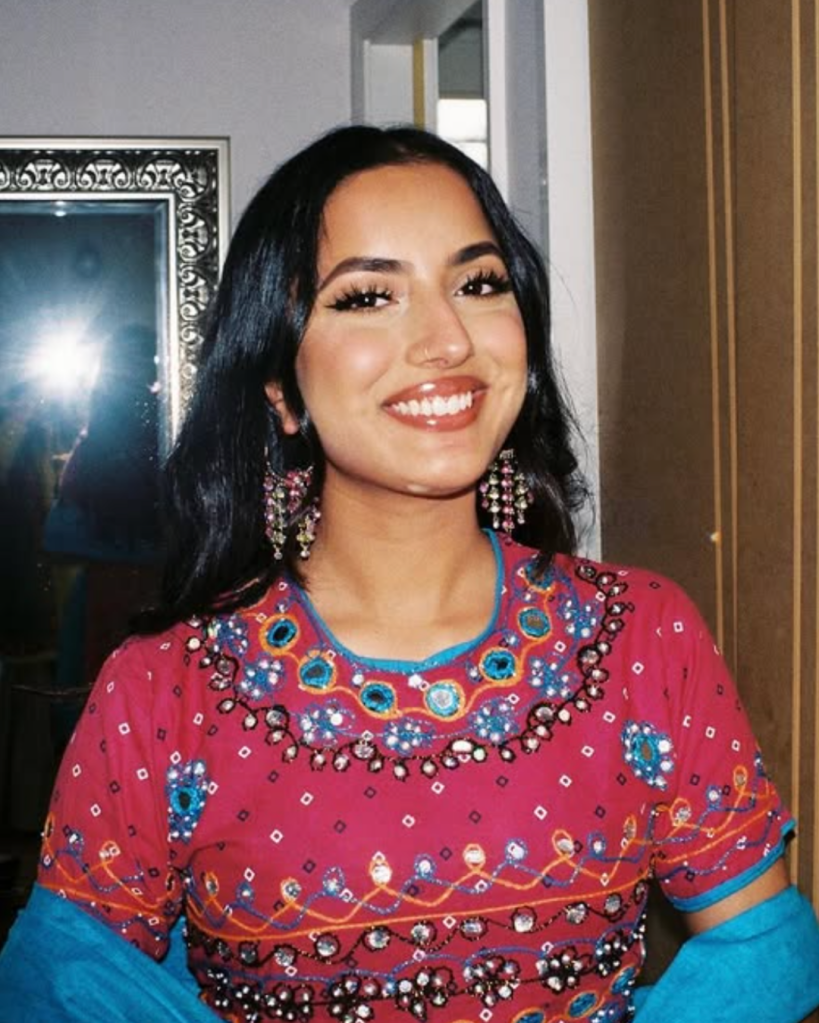
    Close friend and muse of Third Space, Misbah, shares her beauty secrets, childhood memories, and the tender reckonings that come with womanhood in your twenties.

    Tell us! How does it feel to be the debut voice for Everyday Muses?

    Hehehe I’m both nervous and honoured!

    What do you know now that you didn’t know a year ago?

    Look, it took me 26 years to get here but I’m finally learning to trust myself more.

    Where do you go—mentally, physically, or otherwise—when you need quiet?

    I picture myself back in my childhood bedroom looking out the window, watching the snow fall quietly at night with the street lights reflecting a dreamy orange glow.

    What does your “third space” look like?

    Mentally and physically I’ve found solace in prayer!

    What’s your earliest memory of watching someone you love get ready?

    I don’t know if she’ll like this answer, but my sister and I shared a room for most of our childhood, and she would draw on the thickest line of eyeliner EVERY MORNING in high school. I remember just sitting on my bed, watching her get ready.

    Is there a scent, product, or practice that makes you feel most like yourself?

    I know everyone and their mother raves about Glossier You, but it genuinely is my holy grail scent! And always, L’Oréal Telescopic Mascara.

    What’s one beauty ritual you return to when everything feels a little off?

    Doing my eyebrows always resets it for me.

    We live for your sporadic fit checks on IG. What’s the secret to building an outfit that’s both chic and practical in Sydney’s unrelenting winter?

    Layering with Uniqlo HeatTech has been a saviour! Also: chunky knits and dark denim—I feel like I’m Rory Gilmore. Sydney’s winter is all over the place, so being able to layer is essential.

    What’s one piece that’s on your current rotation at the moment?

    My oversized black coat and black knit maxi skirt are worn at least once a week! A staple in my winter wardrobe.

    How does your culture influence what you wear?

    Ah, this is such a good question! I think when I was younger, I’d shy away from my culture, but as I grew up, I began to appreciate it a lot more! Now I’d say it influences every aspect of my life, including what I wear—I love me some modest fashion, which is a lot easier to hone into with current fashion trends. Also, a dupatta is not a Scandinavian scarf!!!