• Swiss-Water Decaf and Other Signs of Gentrification

    Swiss-Water Decaf and Other Signs of Gentrification

    Without giving too much away (like my personal address) it is with great neutrality that I confess that my suburb is finally getting a makeover, and that my childhood home is most likely going to double in value within the next 5 years.

    There’s no denying the steady, almost bubonic sprawl inching further west with each passing year, as more and more funding goes into gentrifying our western suburbs to accommodate a growing population.

    At university, I quickly learned that most of my friends had no real idea where I lived—geographically or otherwise. Anything beyond the northern side of the bridge might as well have been regional.

    Maybe it was the internalised insecurity of growing up in a no-name suburb. Maybe it was the stigma of living somewhere that felt cryogenically frozen in 2002. Or maybe it was simpler than that. Maybe it was all my friends’ proximity to the coast, and my forty-five minute commute to a body of water, that really solidified our socioeconomic status on opposite sides of the spectrum. 

    But it’s 2026 now, and the living crisis in Sydney is at an all-time high. This means, for the first time in history, my suburb has been declared desirable by enigmatic TikTok real estate agents.  

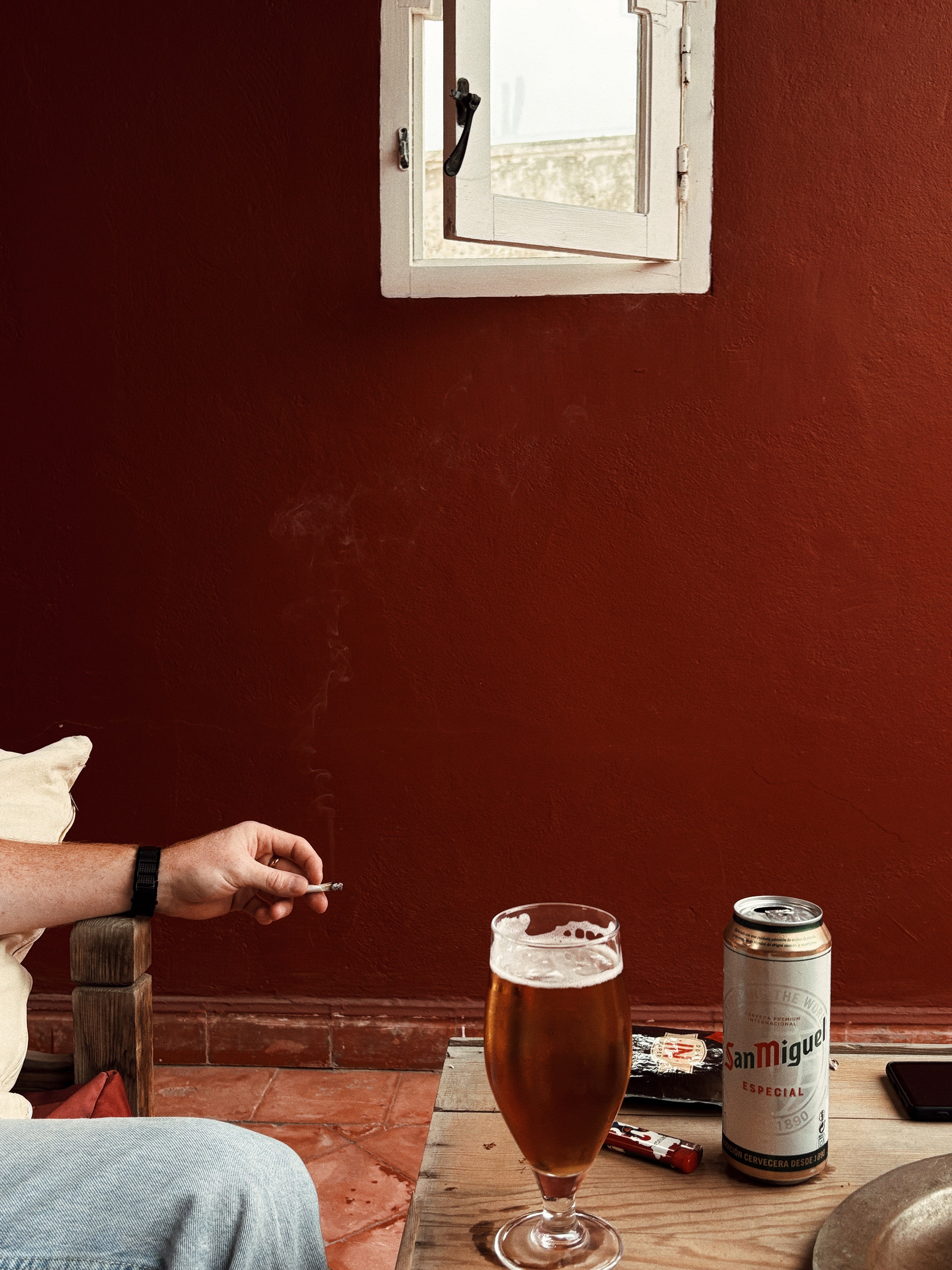
    At a new coffee spot just minutes away from me—a converted warehouse, naturally— I sipped from my $10 cold brew, perusing the cafe’s Google reviews until the critique of a local foodie piqued my attention. 

    {Redacted} is the beginning of the end for this suburb: a sign that the creep of gentrification has truly reached its door.

    Try living next door to two high-rise apartment blocks, I thought.

    I kept scanning the familiar letters of my suburb’s name, in disbelief that anything remotely trendy could be synonymous with it.

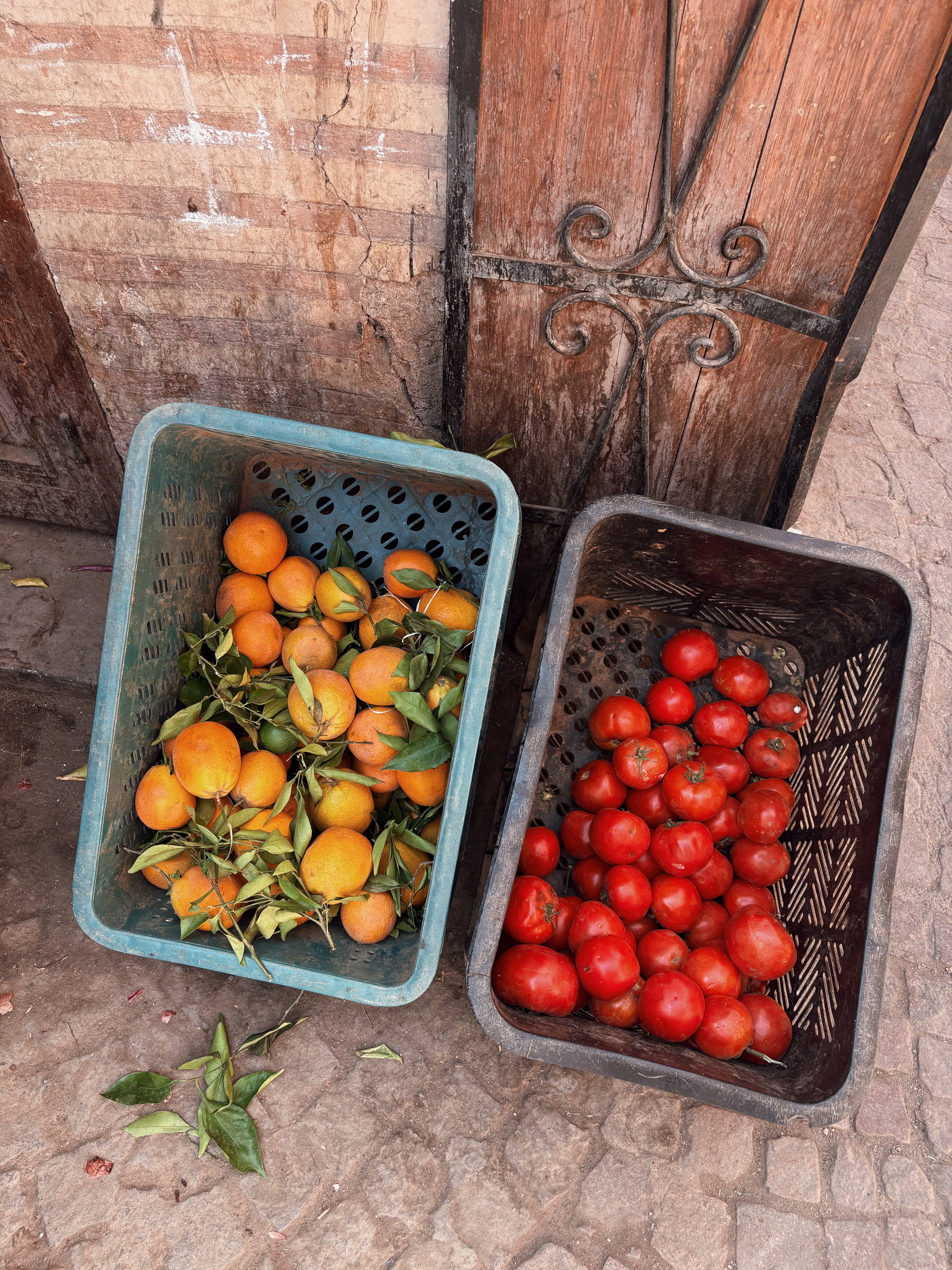
    For as long as I can remember, the main promenade of my suburb could be compared to the likes of a vibrant international strip––growers and sellers spilling onto the road, crates stacked too high, fruit sweating in the sun. It was too unorganised to feel metropolitan, yet the war memorial standing proudly in the centre was enough to snap you out of the hallucination. 

    Fragments of my suburb brought great comfort to me—a Cash Converters, permanently wrapped in “Closing Down” banners that had gone all sun-bleached and torn at the ends. Butchers that shouted in foreign tongues: cash only. Produce bartered by little ladies perched on milk crates, who boomed incoherent specials into a karaoke mic. The token charcoal chicken shop we frequented for a Friday night treat. And other fronts. I’m sure. 

    I didn’t spend much time there, it was slightly out of the way from my side of town, but I often passed through on the way home.

    To me, it was iconic: bursting with no-frills culture and fast-paced calamity. It wasn’t my culture, exactly (you’d usually find me at the European deli in the adjacent suburb), but sometimes I wish I embraced it more, growing up. 

    For years, my friends and I caught up for coffee in the next suburb—fifteen minutes by bus felt like a necessary pilgrimage. I used to mourn the absence of a local café within walking distance from my house. Not just any café, but the kind tucked into the dormant remains of an old milk bar, or carved into a heritage building—you know the ones that line the streets of Surry Hills.

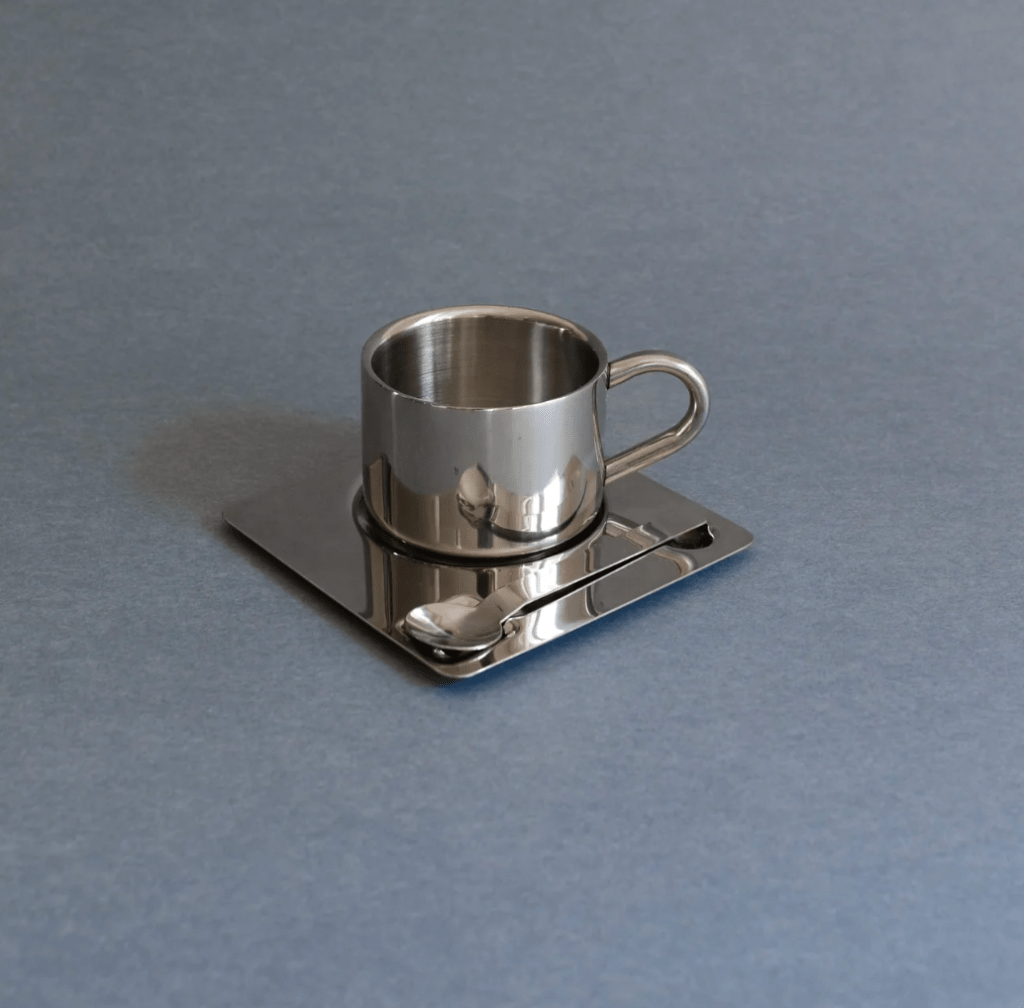
    Now we have Swiss-water decaf on our doorstep and pilates studios, multiplying at an alarming rate. It feels strange to realise things aren’t just changing here, but they already have.
    Recently, I immersed myself into the world of alternative medicine (because you either train for Hyrox in your late twenties or you start healing your gut). In the process, I discovered my suburb was riddled with Chinese herbalists, reflexologists and spiritual readers—services I had once travelled interstate to access. 

    What the hell? 

    With a smile, I tucked my medicinal herbs into my bag, waved at the jolly elderly couple, and walked home—peering into sage-infused studios, housing palm readers and other spots I’d saved on Google Maps along the way. Until recently, I would never have guessed I’d be wandering through my own suburb like a tourist.

    Upon reaching my street, I took in the emptied blocks of land, standing awkwardly beside five-storey apartment buildings, the drilling humming like white noise at the back of my mind. A young-ish woman in Doc Martens and purple hair slipped into the brand-new complex, a family trailing behind her with their two golden somethings. I took notice of the mass immigration of purebred oodles cashing up around town. 

    But in all honesty, it is nice to see new faces, from all generations and demographics. There’s a strange comfort in being surrounded by families and younger couples choosing to build a new life here. Choosing my childhood suburb to call home. 

    Despite the passage of time and everything that comes with it, the bustling, unassuming version of the town I grew up in is forever etched into my memory.

    And for now, I can’t deny the small indulgence of a $10 cold brew within walking distance.

    Is that so terrible to admit?

    Words by Yianna Tromboukis
  • Morocco Is a Mirror

    Morocco Is a Mirror

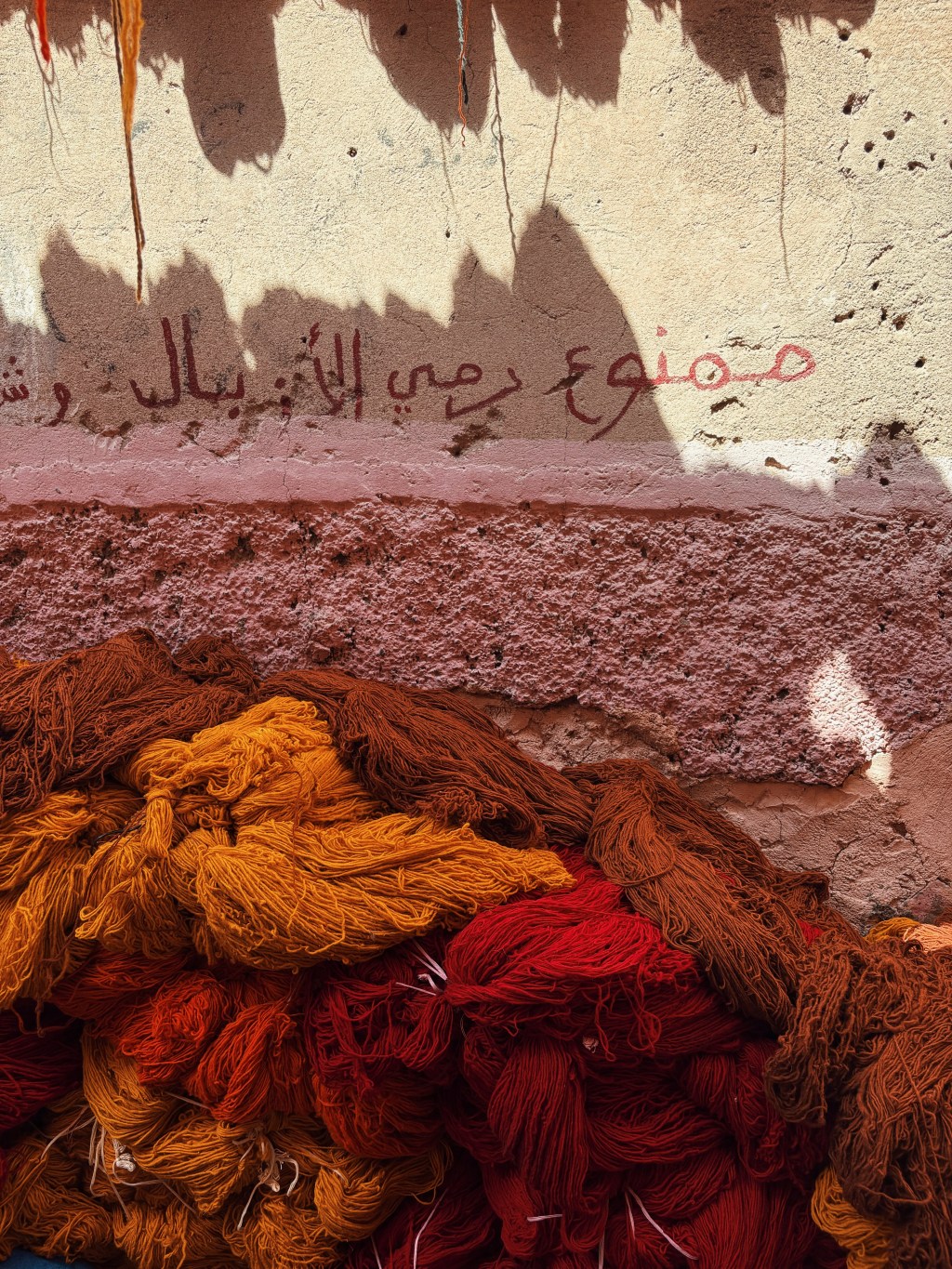
    The heat met us before our driver did, but it was dry and tolerable as we sat in the backseat and endured the last three hours of travel. The transfer was a monochromatic transition from city walls to farmhouses, interrupted only by palm, argan, and olive trees standing proud in the arid landscape.

    After spending one week visiting a friend doing research in Ghana, I moved north to spend another week in Morocco with family and friends. The trip was an unmet tension between myself and spaces unbeknownst as I moved through the streets of Essaouira and Marrakech.

    When you’re thrown into a space geographically and culturally distinct from the customary, it’s easy to reduce it down to presupposition–where phonetic and linguistic barriers would render you parti pris in your experience of it all. I entered with the subconscious assumption that I would have no point of familiarity. But when you meet a place where it’s at, it reflects facets of yourself revealed only in the unfamiliar–a woeful but wonderful paradox.

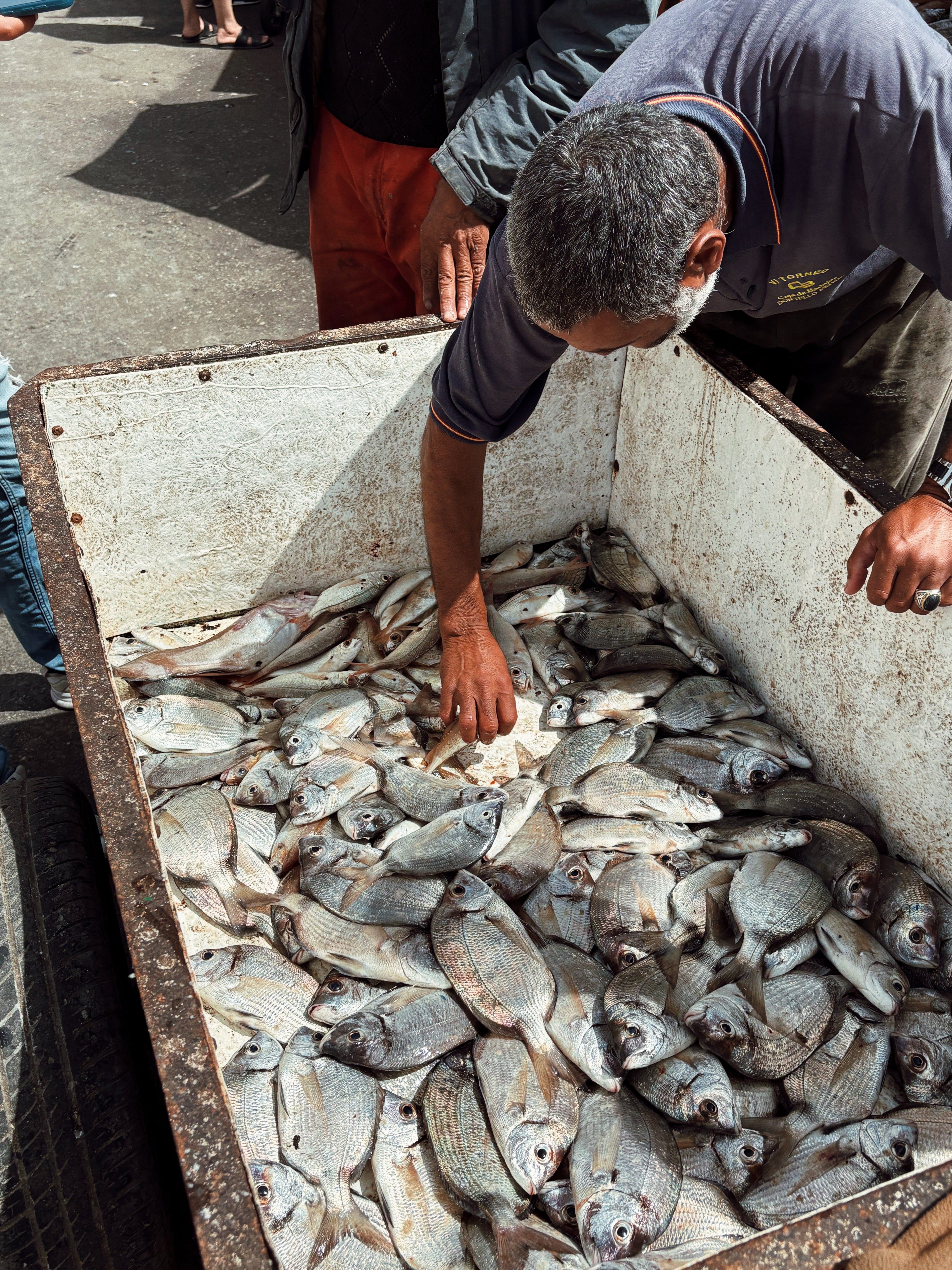
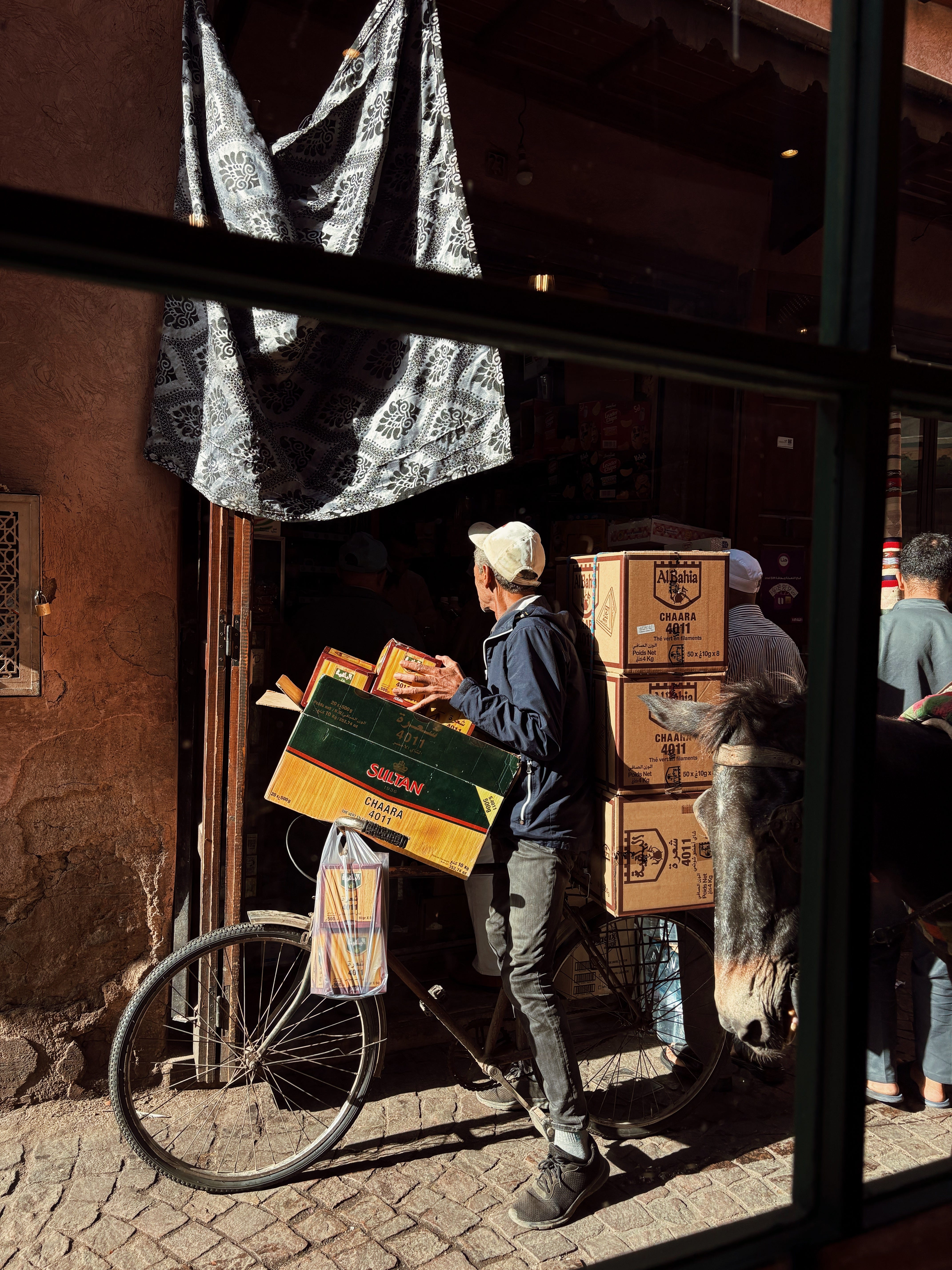
    Blue, all blue, the doors, the ocean, the fish stands. Essouira was cooling, both for the soul and the body and most days were spent walking through the medina, finding ceramic and silver wares to fill my luggage with. It took two days to confidently navigate my way through the main streets; this was abetted by the shopkeepers who recognised us (c’est les Australiens) and we would wave at them until we turned the corner.

    On the last day we made sangria and drank it on the top terrace (yes, we had two). White wine, fresh juice and cut up peaches swam in a teapot as we smoked, listening to music and watching the cats traverse across the stones and washing lines which framed the skyline.

    Later, we found ourselves in an outside bar. Crowds watched as the bodies below danced in the open air, moving to the sounds of the night. Loud music fed us until we surrendered at 1:30 am. We skipped along the water and back inside the city walls, running through the streets and past the cats as we clung to the last snatches of Summer.

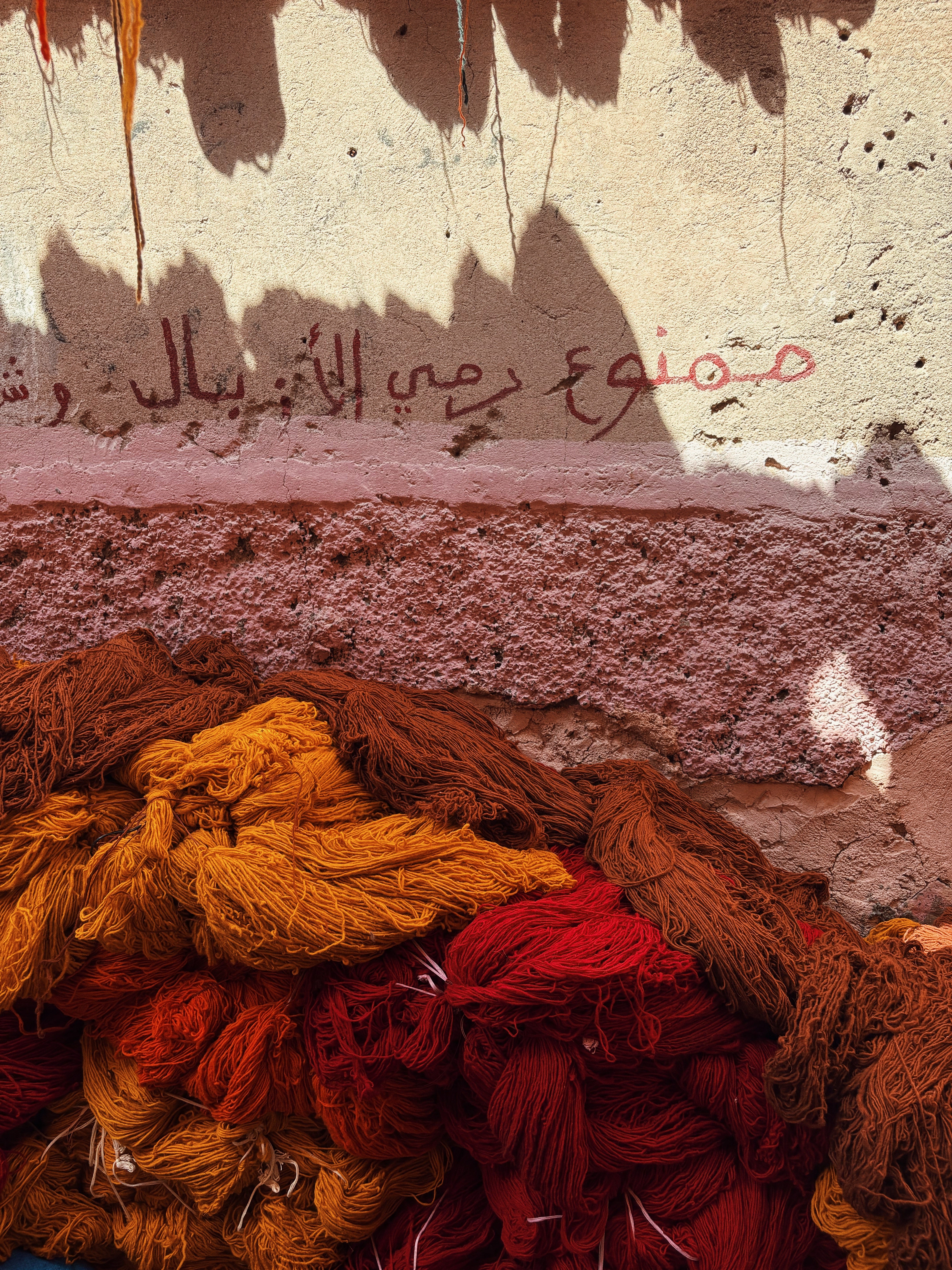
    Four days back in Marrakech where the crowds and noises overwhelmed my senses and obscured my thoughts. Everything was an acceleration of the former and we frequently sought solace on the rooftops of restaurants and riads, where the heat danced through the doorways and windows.

    The city expresses itself by virtue of the people–foundational to how the streets operate. If you wake early you can feel the rhythm before the crowds drown it out. Mint tea on silver platters is a pharos for understanding the shared life here. Poured from a height and shared to neighbours, friends and strangers. After all, who are we if not our interactions with others? If not our moments of communion? Collectivism is the reflector of humanity. All it takes is some time, and reflection to see it.

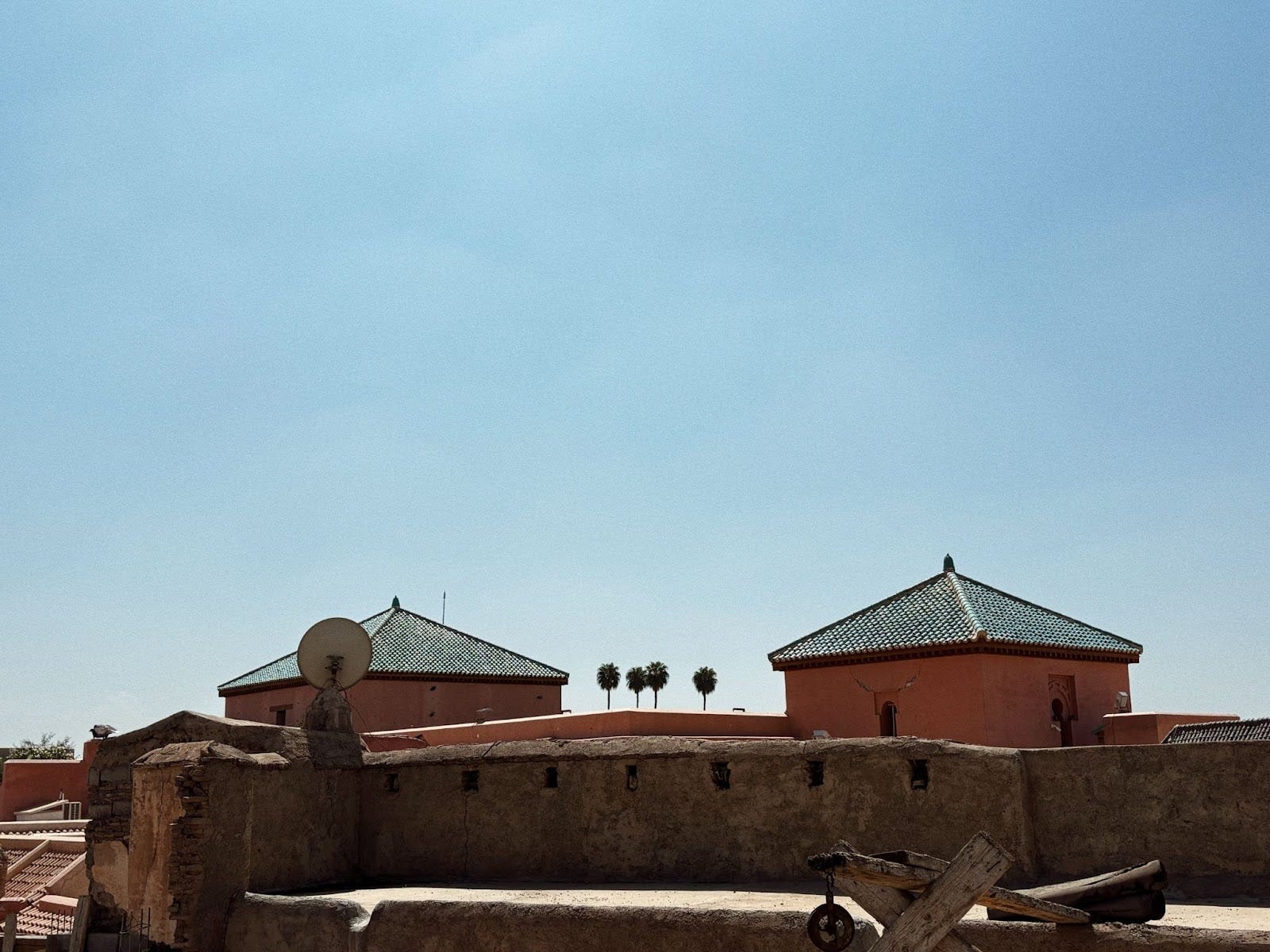
    The final night I watched the mosque glow in the distance. We stared at each other, curious about our differences but connected in our similarities. The night smelt like orange blossoms and burning amber and I imagined myself running across the terracotta roofs, I would sit in the palm trees as the city rippled below me. Each moment, real or not, was a pilgrimage unto myself. Identity is a soft cage when you see yourself in relation to the world around you.

    Words by Emma Sun @emsun7s7

  • Light That Lasts: Amsterdam, a Living Archive

    Light That Lasts: Amsterdam, a Living Archive

    On a canal boat, wedged between my mother and a sullen french teenager, a vaguely classical tune drifted through the universal-fit earphones perched above my hoop earrings. 

    On the right, you’ll see the Westerkerk–that is, the Western Church. This is where Rembrandt van Rijn was buried in an unmarked grave. His remains were later exhumed and moved, as was the norm for the poor at the time of his death in 1669. 

    Today, you can pay your respects for the renowned painter at the commemorative stone on the north wall of the Westerkerk, or even at the Rijksmuseum!

    In art school, Rembrandt often came up in lectures and from tutors’ lips. My earliest associations with the name were a paint brand, the artist’s reputation as one of the the masters of light, and an advertised course in my home city where people paid to learn how to paint like him.

    The promotional images captured dutiful students cutting out and taping up A2-sized inkjet prints of his paintings. They spent five days in a row, six hours a day, trying to capture his famed light beside them, like a devotional exercise.

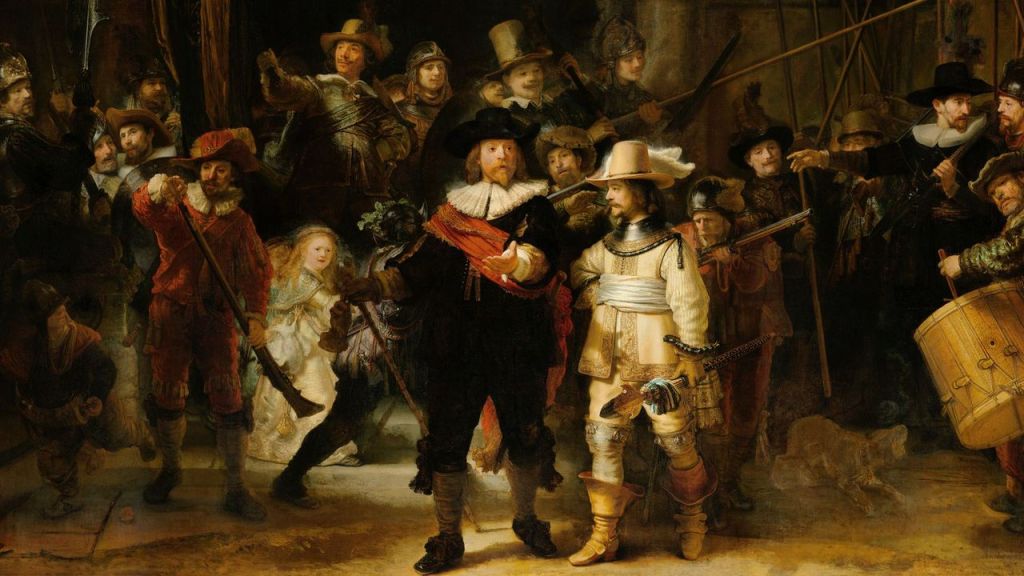
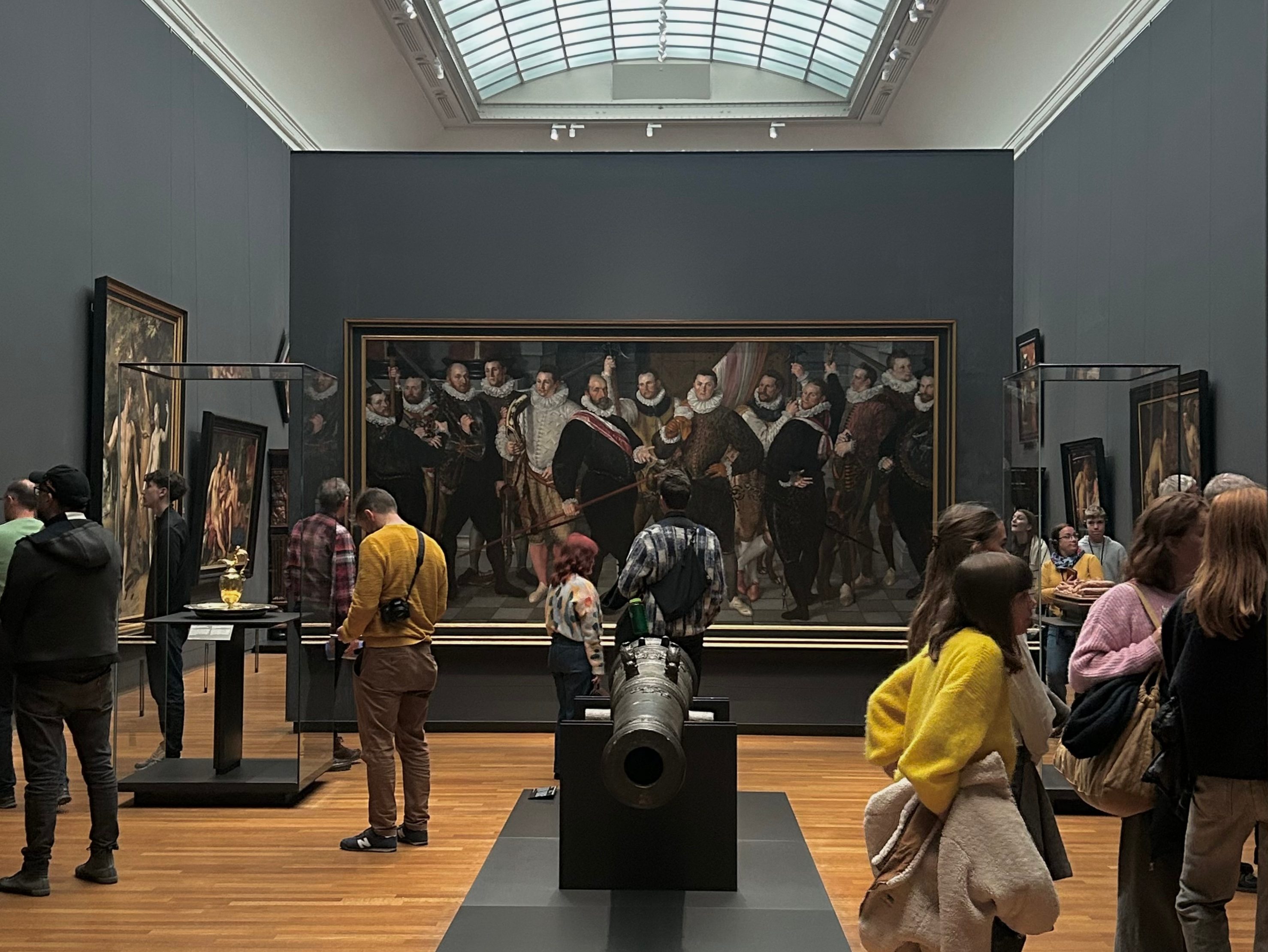
    In the Rijksmuseum, tourists huddled around a vast glass wall where The Night Watch (1642) sat, tended to by an art restorer in an elaborate contraption that carried her to the very top right-hand corner of the massive painting. We watched as she methodically stared at the laptop in her lap and then back at the canvas, and I wondered when she might start doing something more interesting–like making an irreversible black mark, or turning around and saying, Did you know that Rembrandt was buried in an unmarked grave, because he was bankrupt, poor, and his work was suddenly unfashionable?

    Rembrandt van Rijn, The Night Watch, 1642, oil on canvas, 363 cm × 437 cm, Rijksmuseum, Amsterdam.

    I will spare you the history of another Amsterdam-dwelling artist with a familiar story of incomprehensible posthumous fame, but I couldn’t help being amused by the Van Gogh plushies in the Van Gogh Museum gift shop, complete with self-inflicted, bandaged ears. I was even more intrigued by a rogue Miffy masquerading as Van Gogh, paintbrush in hand.

    The inescapable trope of the tortured, canonical, white male artist bores many. This trip had me noticing something new in the powerful ubiquity of these figures–a cultural weight that now seems to operate on the same plane as a fictional, minimal, white bunny.

    While I like to think of myself as educated in matters of fine art, there is something alluring about Miffy memorabilia, which more or less amounts to two dots and a cross. Towards the end of our visit to Amsterdam, we even made the pilgrimage to Miffy’s birthplace: Utrecht, a town only a short train ride away. In the station bookshops, her face stared back from children’s paperbacks in half a dozen languages. She beamed from umbrellas in the rain. 

    It doesn’t stop there. In Tokyo, she occupied entire store floors; in London, she dangled on a passerby’s house keys. I began to imagine my own mark, however small, threading through the world in the same way. At the risk of sounding existential, the thought of the ripples we leave behind long after our passing was the loudest refrain of my time in Amsterdam. I blame the fact that I was knee-deep in my masters, trying to understand what it might mean to make art that may last for centuries.

    After the museum, we walked through the Jordaan and drank mint tea in a narrow café that smelled faintly of sugar and damp wool. We ate cheese fondue with a basket of bread cut into too-small cubes, dipping them again and again into the same pale pool. 

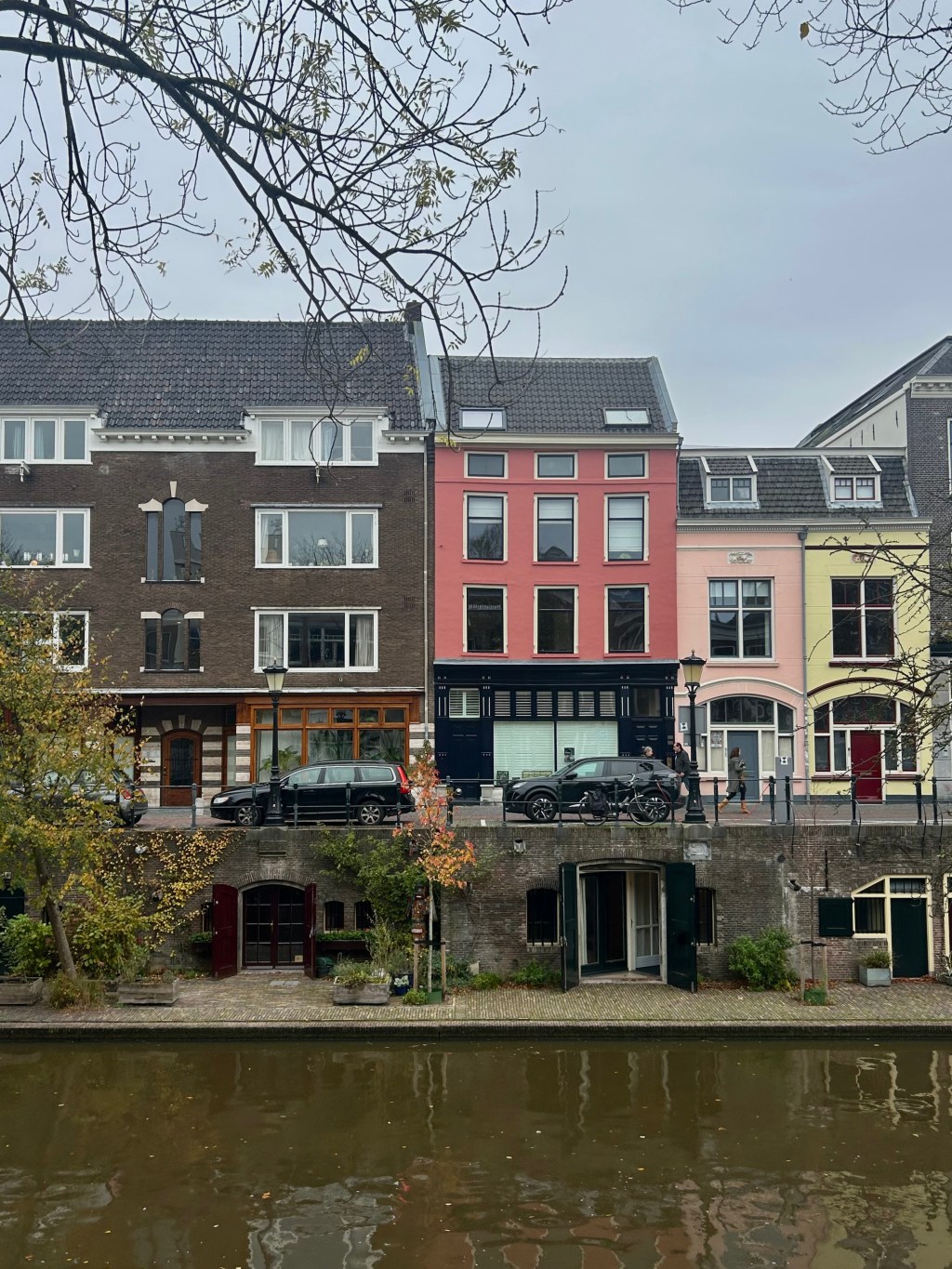
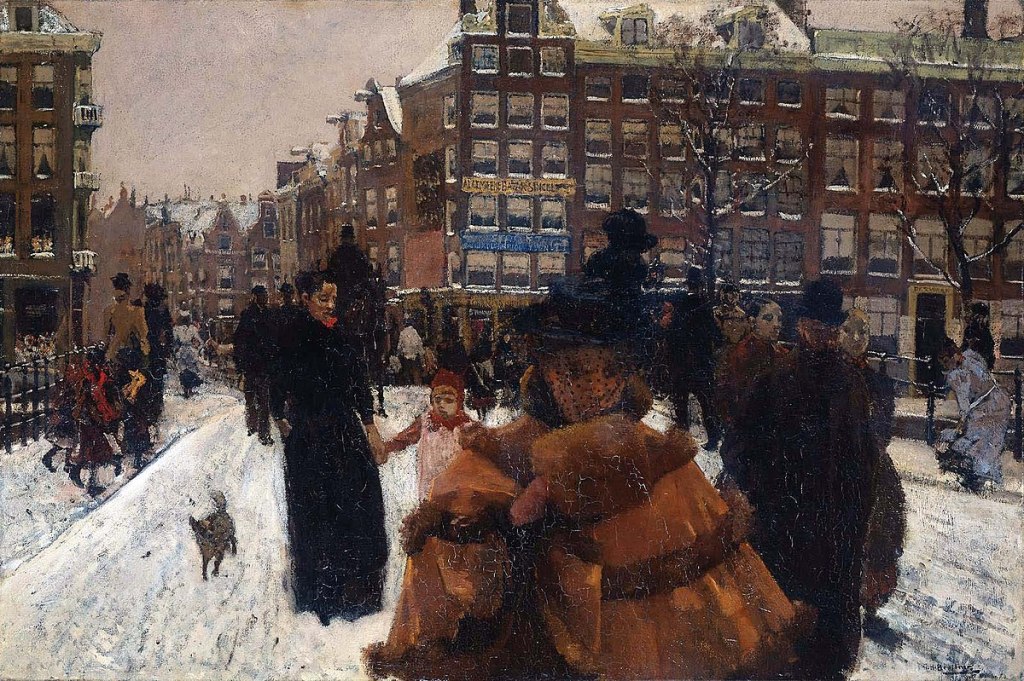
    Looking down into the narrow canal, I remembered the sterile audio guide from that morning that mentioned how Amsterdam’s canals were built in the 17th century. Almost immediately, The Singel Bridge at the Paleisstraat, Amsterdam (1898), which I had seen only an hour earlier, leapt into my mind: the timeless, anonymous figure in the foreground, the impressionist rendering of Amsterdam’s iconic narrow buildings.

    George Hendrik Breitner, The Singel Bridge at the Paleisstraat, Amsterdam (1898), oil on canvas, 41 cm × 60 cm, Private Collection.

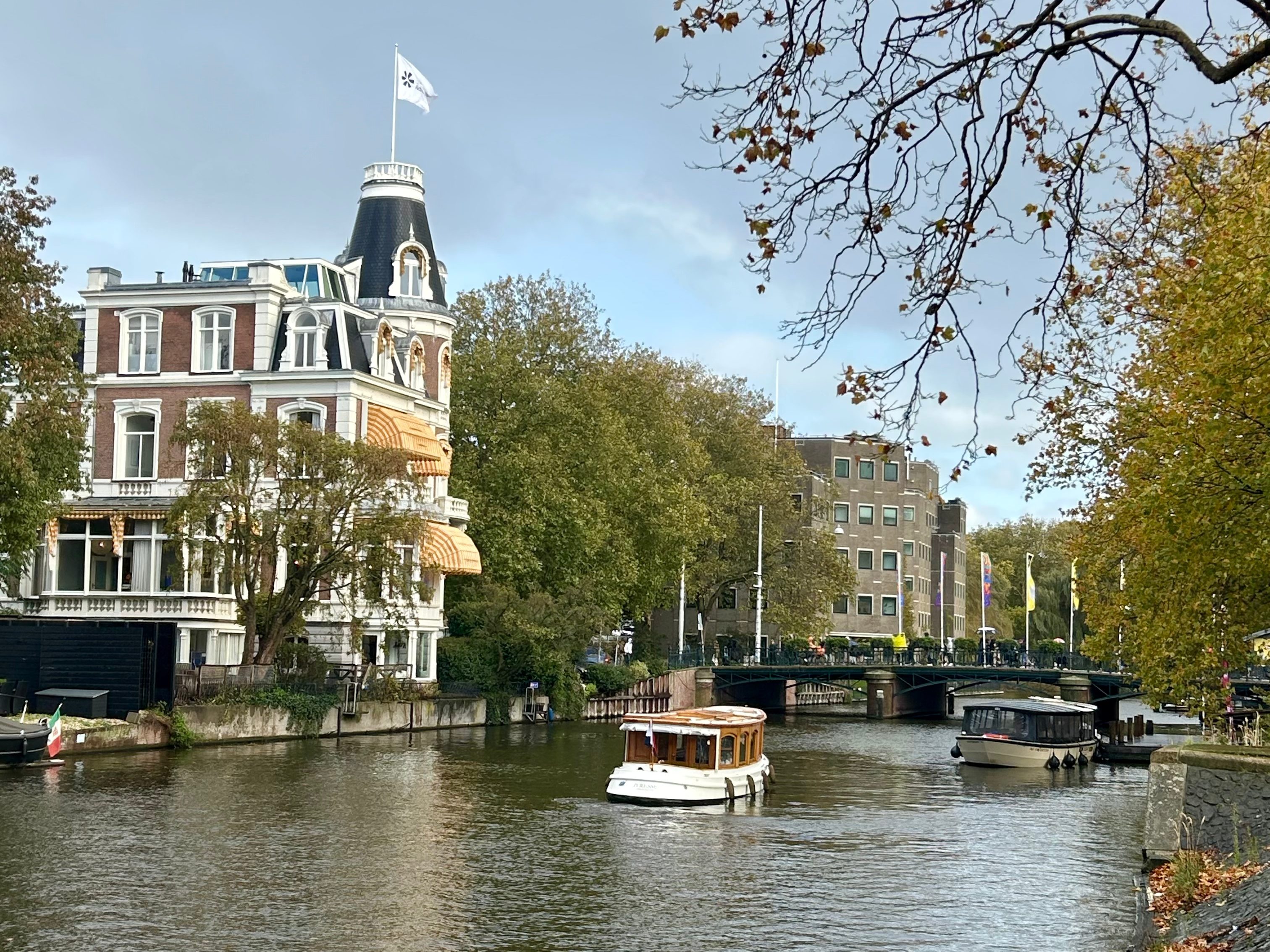
    Now the same scene sat in front of me in real time. An Amazon delivery truck whizzed past. A mother cycled by on her bakfeitsen (cargo bike), children settled in the front. A woman opened her comically narrow, tilted window to light a cigarette, dusting the ashes into the water below. Like other cities with long, layered histories, Amsterdam revealed itself as a living archive–where past and present do not replace one another, but coexist, with the promise of some form of immortality lingering in the air. 

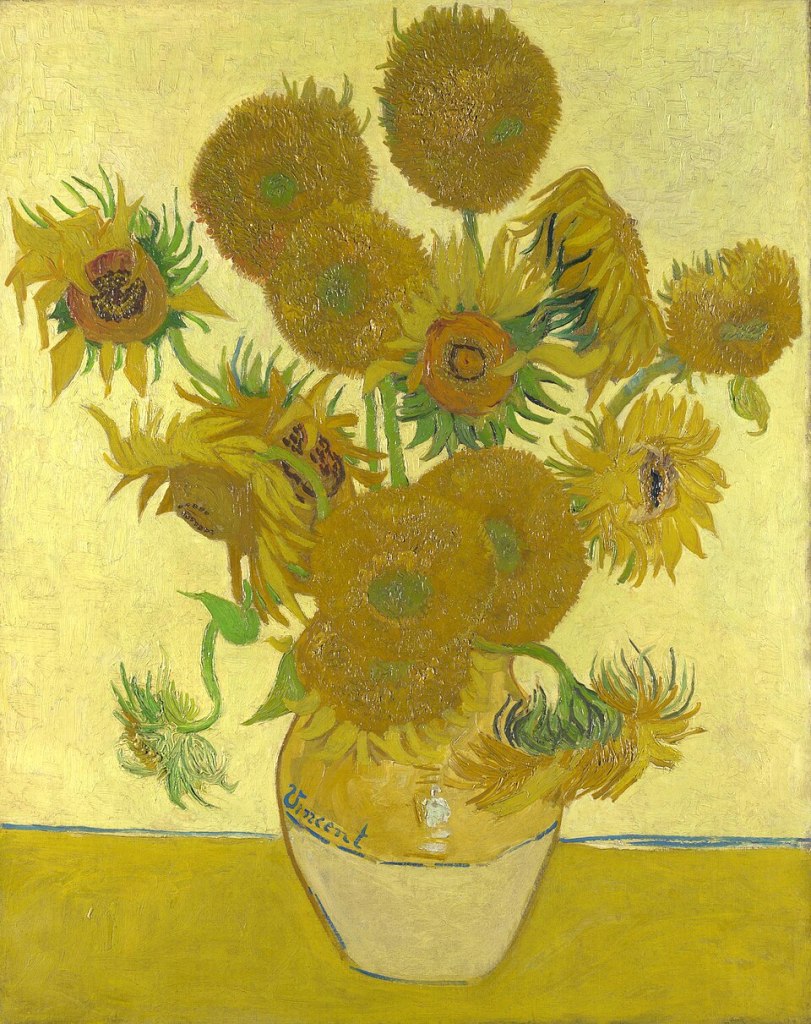
    Rembrandt’s light draped over tram lines. Renaissance-period canals accompanied cars and coffee cups printed with two dots and crosses, and Van Gogh’s Sunflowers (1888) reappeared on tote bags slung over passing shoulders. Everything endured at once, and everything kept moving.

    Vincent van Gogh, Sunflowers, 1888, oil on canvas, 92.1 cm × 73 cm, Van Gogh Museum, Amsterdam.

  • Finding My Rhythm in Barcelona 

    Finding My Rhythm in Barcelona 

    The moment I stepped out of the airport, Barcelona greeted me with a wave of warmth that felt oddly familiar. The air was thick and golden, humming with that same heavy humidity I know from Queensland summers. It clung to my skin, alive with salt and sunlight, an embrace that whispered, you’ve been here before, just in another hemisphere. 

    I arrived with my usual sense of morning purpose, the kind that likes an early start, an early finish, and the quiet order of daylight hours. But Barcelona doesn’t live by that rhythm. It moves differently. The mornings are unhurried, afternoons dissolve into languid pauses, and the nights, well, the nights belong entirely to the city. At first, I found myself fighting its tempo, bleary-eyed as dinner stretched past ten, conversations drifted lazily towards midnight and ‘early to bed’ was unthinkable. 

    At first, I fought it. My eyes stung past midnight, my internal clock protesting every late-night conversation and slow breakfast. But there’s something contagious about the rhythm of Barcelona, the unapologetic indulgence in rest, in connection, in life at its own pace. Somewhere between the second evening of tapas and my first siesta, I stopped resisting. I didn’t just adapt; I surrendered. And, somehow, it felt right. What began as a curiosity quickly became a revelation. The city wasn’t lazy, it was balanced. 

    My hotel room was modest and unassuming, in the heart of La Rambla. It was noisy, chaotic, beautiful. But my room held one extraordinary secret: a small terrace balcony that opened like a private stage over the city. When I looked straight ahead, the rooftops of Barcelona stretched in a terracotta mosaic toward the horizon: church spires and bell towers punctuating the skyline. When I looked down, La Rambla pulsed below, alive with its daily theatre of movement and sound: street performers, bustling bars and restaurants, the laughter of tourists and locals mingling in the same sunlit stream. 

    It became my favourite place in the world to sit, that little balcony. Somewhere between serenity and chaos, between being in the city and observing it. 

    What struck me most about Barcelona, though, wasn’t just its beauty or history, but its people. They are, without exception, genuine, grounded, and welcoming. Conversations came easily, smiles were unguarded, and help, in the form of restaurant recommendations or a nod of understanding, was always offered with warmth. There’s an authenticity there, a quiet pride in living well rather than merely living fast. 

    Of all the places I explored, the Picasso Museum remains my most cherished memory. Tucked within the narrow streets of El Born, it feels more like an intimate conversation with the artist than a gallery. The progression of his work, from the delicate lines of his youth to the bold experimentation of his later years, is deeply moving. Standing there,

    surrounded by the essence of a genius who once walked those same streets, I felt an unexpected stillness, a connection to the pulse of creativity that defines Barcelona itself. 

    By the time I left, I realised the city had changed me in subtle ways. What I’d found there wasn’t just a destination, it was a rhythm. A way of living that celebrates both energy and rest, both art and authenticity. I arrived a morning person, disciplined by habit; I left sun-kissed, sleep-deprived, and completely enchanted. A morning person who, for a fleeting moment, learned the joy of late nights and long, lazy afternoons. 

    Barcelona taught me that life doesn’t always need to move quickly to feel full. 

    It’s a city that doesn’t rush to impress you; it invites you to linger, to feel, and to breathe with it. And once you do, you carry its rhythm with you—long after you’ve gone.

  • Beginner’s Modesty: Bathing Like No One’s Watching

    Beginner’s Modesty: Bathing Like No One’s Watching

    It’s uncharacteristically chilly for the first few days of Japan’s green season. Enduring downpours feed the canopy around us and a low-hanging cloud hovers over our mountain abode.

    So much for my summer vacation.

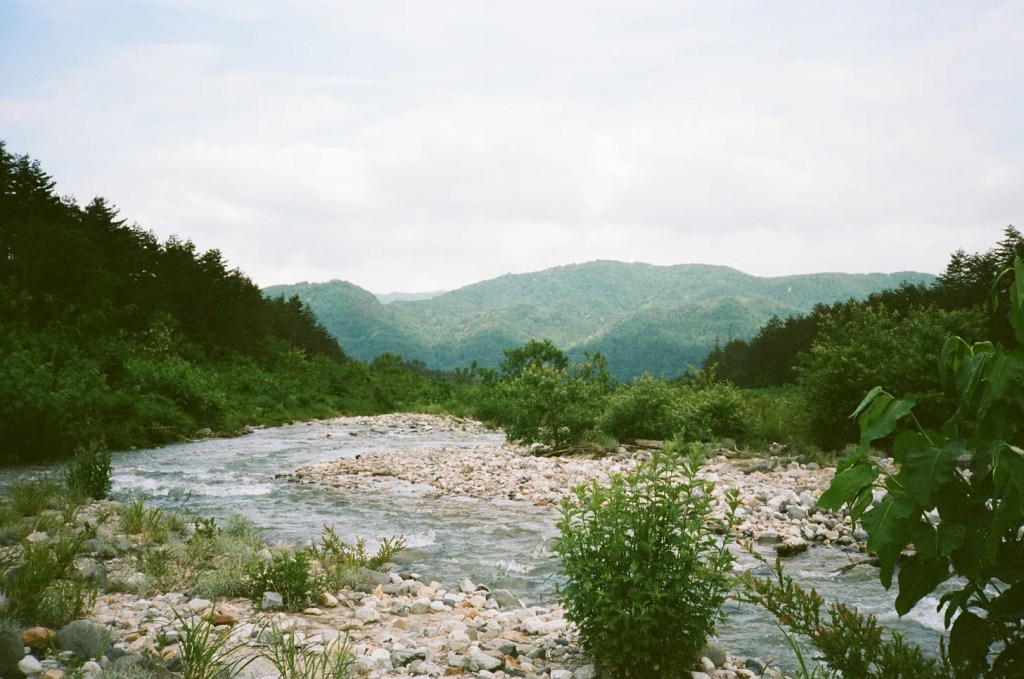
    Quickly, our days fall into a rhythm: drip-brewed coffee from a hole-in-the-wall cafe, a scenic drive to a lookout, a variation of conbini onirigi or cold soba. If the weather permits, an icy plunge into the Matsukawa River.

    And always—a visit to an onsen to close the day.

    Despite the tenacity of the rain and a very drawn-out spring, I get to enjoy the sacred baths outside of winter.

    The Japanese Alps boast some of the most idyllic hot springs I’ve ever seen—nestled into moss-covered valleys or perched on cliffside ridges with panoramic views. With full credit to my partner’s digital sleuthing and his commitment to doing things that no one else does, I’ve found myself knee-deep in some of the most beautiful, natural pools, rich in minerals of the Earth. Soaking beneath rustling leaves, with nothing but nature as company.

    We do have a local onsen we return to often. Not quite as remote, but charming nonetheless—tucked into the heart of a quaint little town in Nagano. We time our visits just before the last entry. Not entirely to avoid other humans, but mostly for the quiet luxury of having it to ourselves.

    Annoyingly, I’ve yet to fully shake what onsen regulars have come to call “beginner’s modesty.” So I’ve mastered the art of stealth—timing my entrances when the bamboo-lined change rooms are unoccupied.

    I like to think that my apprehensiveness towards nakedness is sourced from my more orthodox upbringing. But here, those inherited boundaries feel obsolete. Almost as if I’m the one out of place for clinging onto them.

    There is a desire to bask in eternal forty-degree bliss, at odds with the pervasive fear of getting my rack out in front of petite strangers. Around me, delicate silhouettes slip quietly into the space. Mine barrels in with curvaceous vengeance.

    When all is said and done, it’s foolish to assume I can get away with enjoying the baths by myself one hundred percent of the time. At some point, it starts to feel like I’m cheating the whole experience—like when gaijin wear their bathers in the water.

    Eight hundred yen is a steep price to loiter by the changeroom Asahi machine, waiting sheepishly under the neon flashing lights, anyways.

    When I do share the space though, it’s almost always with older Japanese women—composed, unbothered. After the first bare-bum barrier dissolves, it feels like no one is watching at all—or even cares to watch. It is a realisation that is uniquely humbling and freeing.

  • Dead Sea Dreaming

    Dead Sea Dreaming

    If you visit the Dead Sea during the summer, when the days are long and sticky, it’s best to dip into the water just before sunset or just after sunrise. It’s only an hour’s drive from Amman, a trip marked by a long highway lined with resorts and sun-bleached shops–each one conjuring memories of childhoods spent in the sun, the scent of plastic inflatables and sunscreen thick in the air.

    I’m used to visiting the water at dusk, just before dinner. In recent years, the make-shift beach reserved for our favourite hotel, the Kempinski Ishtar, has been enlarged, decorated with a drink stand and two brand-new outdoor showers.

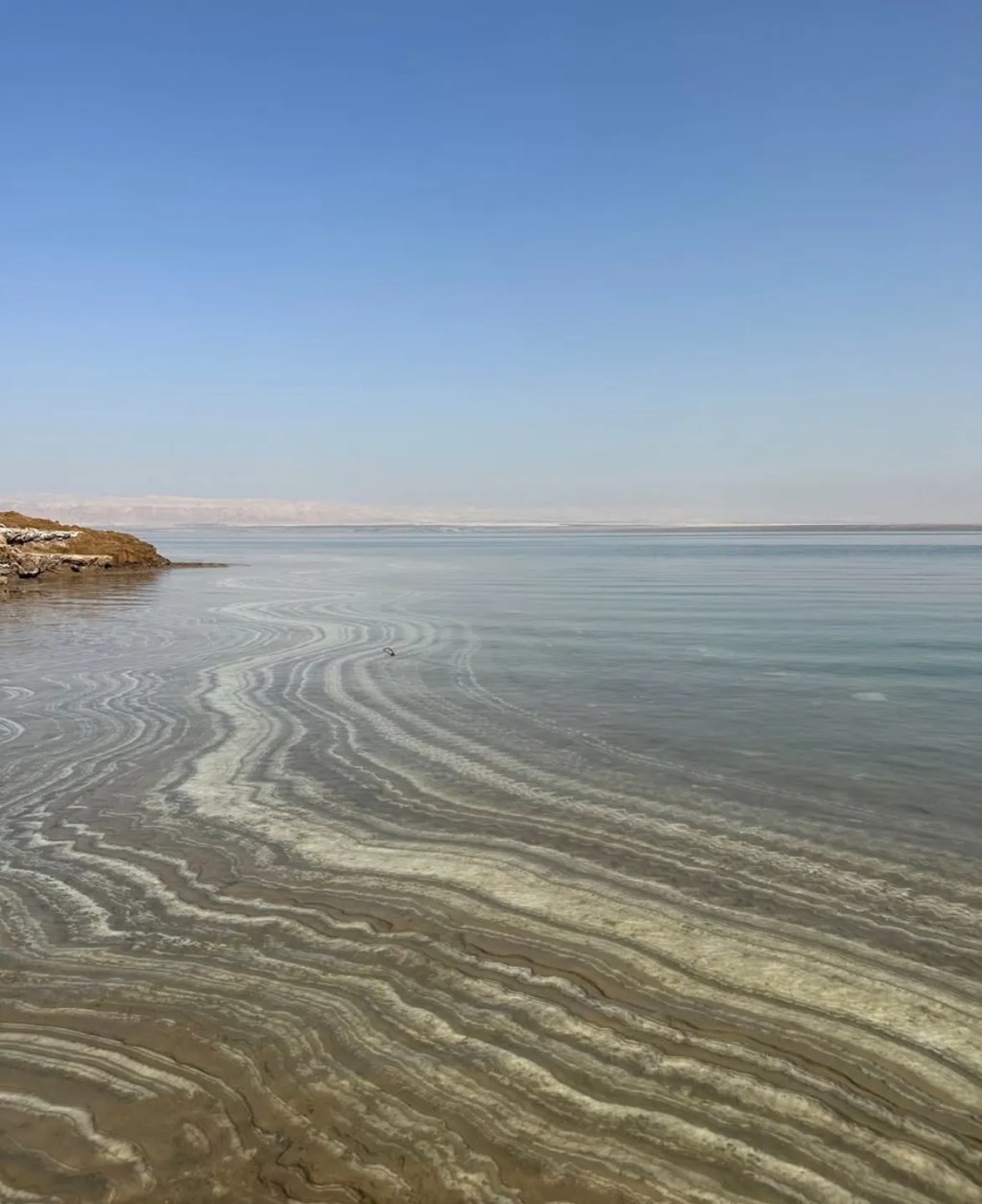
    Standing at the shoreline is a meditative experience. You’ll find that the water tends to blend into the sky, creating the illusion that the sea stretches on forever. That couldn’t be further from the truth: the Dead Sea is evaporating at a rapid rate. Its exclusive salinity will soon be a thing of the past–a chapter closed forever, along with Egyptian mummification and centuries of conflict.

    If you ask, staff will source you some souvenir salt crystals, and if you’re fortunate, you’ll get a pretty one. However, there is a kind of guilt that comes with taking away from something as ephemeral as the Dead Sea.

    If you look like a tourist, someone will inevitably explain the “right” way to enjoy the sea.

    1. First, you should float in the water for five minutes. It’s no secret that the exceptionally high concentration of salt and minerals nourishes the skin.
    2. Then, dry off and apply mud to every visible inch of skin (avoiding swimwear, which the mud will permanently stain).
    3. You’ll be ready to go back into the water once the mud dries under the sun in ten minutes–pass the time by taking photos of your muddy limbs, or conversing with the medical tourist sitting next to you.

    It’s best not to spend too much time in the sea, because the salt is almost too potent, and can cause swollen legs. The water has a way of finding every vulnerability and making it sting: a paper cut you didn’t know you had, a tiny scrape barely exposing flesh.

    Anecdotally, spending time in the sea heals superficial skin issues like psoriasis and acne. I recall a woman who was often by the water, sitting on the edge of a sun lounger, with dried mud on her arthritic knees. The supposed benefits of the Dead Sea range from miraculous to modest–fifteen minutes of stillness, if nothing else.